10 Podcast Equipment Essentials for Muscat Studios: Elevating Your Audio Content
The audio landscape is booming, and podcasting has emerged as a powerful medium for communication, entertainment, and brand building. From insightful interviews to engaging storytelling, podcasts offer a unique way to connect with audiences worldwide. In vibrant markets like Muscat, the appetite for local and regional content is growing rapidly, making it an opportune time for entrepreneurs, creatives, and businesses to enter the podcasting space. However, producing a high-quality podcast that captures listeners’ attention requires more than just a great idea; it demands the right equipment. This comprehensive guide will walk you through the 10 podcast equipment essentials for Muscat studios, ensuring your audio content stands out in the bustling digital sphere.
Whether you’re planning to launch a podcast for a local initiative, a thriving enterprise, or simply to share your passion, investing in the right gear is non-negotiable. Poor audio quality can quickly deter listeners, regardless of how compelling your content might be. This guide focuses on equipping you with the foundational tools necessary to achieve professional-grade sound, making your podcast a standout offering for Muscat businesses and beyond. We’ll explore everything from the microphones that capture your voice to the software that polishes your sound, all tailored to help you thrive in the dynamic Muscat market.
The Foundation: Essential Audio Capture Gear
Starting with the very basics, capturing clear, crisp audio is paramount. This section details the core equipment that directly impacts the sound quality of your podcast.
1. High-Quality Microphones
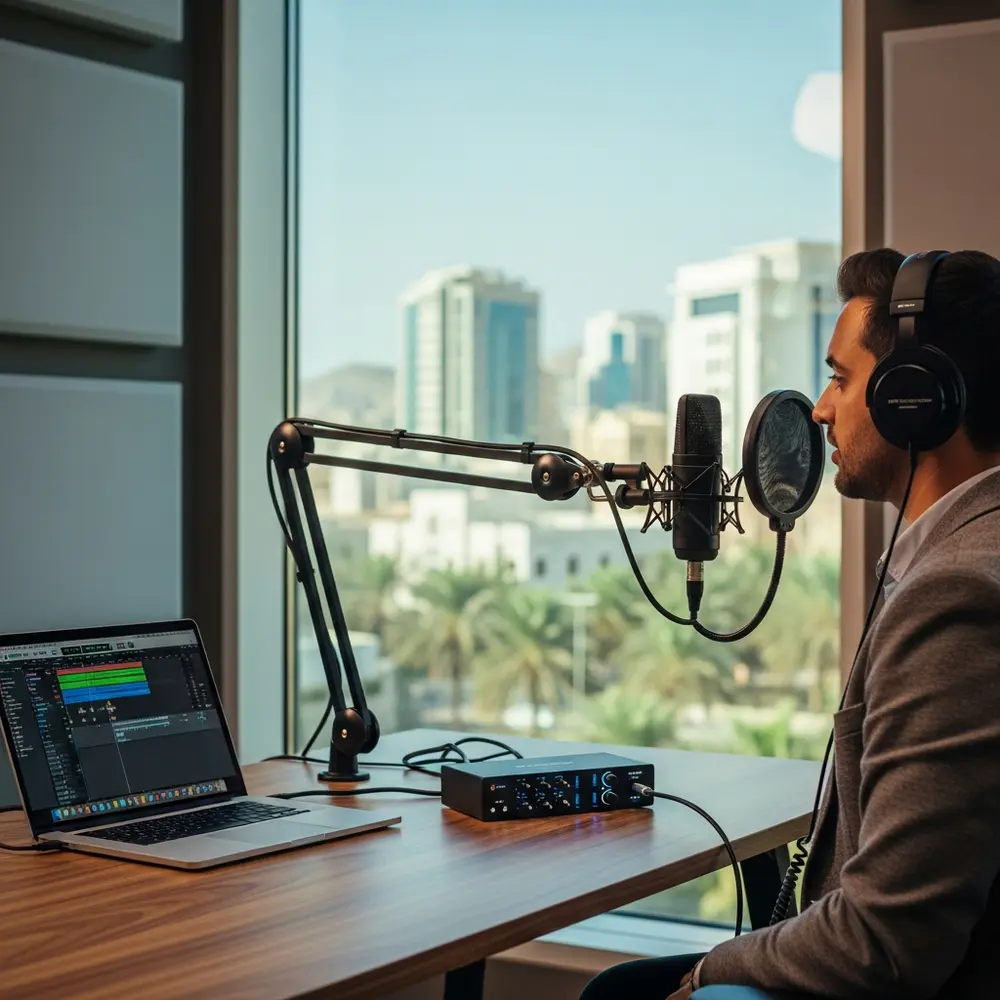
The microphone is arguably the most critical piece of equipment for any podcast studio. It’s the gateway through which your voice enters the digital realm. For podcasting, condenser microphones are often favored for their sensitivity and ability to capture a wide frequency range, delivering a rich, detailed sound. Dynamic microphones, while less sensitive, are excellent for reducing background noise, making them ideal for untreated rooms or live recordings where ambient sound is a concern. Brands like Shure, Rode, and Audio-Technica offer excellent options across various price points. For a solo host, a USB microphone can be a convenient plug-and-play solution, but for multiple hosts or guests, XLR microphones connected to an audio interface are preferred for their superior sound quality and flexibility. When selecting a microphone for your Muscat studio, consider the environment you’ll be recording in and the number of speakers.
2. Audio Interface or Mixer
An audio interface converts the analog signal from your XLR microphone into a digital signal that your computer can understand. It also provides phantom power for condenser microphones and preamps to boost the microphone’s signal without introducing noise. For multi-person podcasts, a mixer offers more control, allowing you to adjust individual microphone levels, add effects, and even mix multiple audio sources in real-time. This is indispensable for professional setups catering to Oman companies looking to produce high-quality narrative or interview-based podcasts. Devices like the Focusrite Scarlett series or Zoom PodTrak P4 are popular choices among podcasters for their reliability and ease of use.
3. Professional Headphones
Closed-back, over-ear headphones are essential for monitoring your audio during recording and editing. They prevent microphone bleed (where audio from your headphones is picked up by the microphone) and allow you to hear exactly what your listeners will hear. This critical feedback loop helps you identify and correct issues like plosives, hums, or sibilance in real-time. Investing in a good pair of studio headphones will significantly improve your ability to produce a polished final product, ensuring excellent sound for Muscat brands aiming for a global reach.
4. Pop Filters and Shock Mounts
These accessories might seem minor, but they play a huge role in audio quality. A pop filter is a screen placed between your mouth and the microphone that disperses air from “plosive” sounds (like ‘p’ and ‘b’), preventing harsh popping noises. A shock mount isolates the microphone from vibrations that can travel through the stand (e.g., bumps on the desk), reducing rumble and unwanted noise. Both are inexpensive additions that provide immediate, noticeable improvements to your podcast’s audio clarity.
The Digital Workflow: Processing and Production
Once you’ve captured clean audio, the next step involves processing, editing, and producing your podcast. These tools facilitate that transition from raw recording to a finished episode.
5. Digital Audio Workstation (DAW) Software
A Digital Audio Workstation is where the magic of editing and mixing happens. Popular DAWs for podcasting include Audacity (free), Adobe Audition, Logic Pro X (Mac only), and Reaper. These programs allow you to edit tracks, remove unwanted noises, add music and sound effects, master your audio levels, and export your final episode in the desired format. Learning to navigate a DAW is a core skill for any podcaster, empowering you to shape your narrative and enhance your audio presentation. For those seeking expert guidance in polishing their content, investing in professional podcast recording services can be a game-changer.
6. A Reliable Computer
Your computer serves as the central hub for your podcasting operations. It needs to be powerful enough to run your DAW smoothly, handle multi-track recordings, and process large audio files without lagging. A modern processor, sufficient RAM (8GB minimum, 16GB recommended), and ample storage (preferably an SSD for faster performance) are crucial. Both Mac and Windows platforms are suitable, so choose what you’re most comfortable with. This workstation will be where you manage all aspects of your digital marketing in Oman, from recording to final export.
The Studio Environment: Optimizing Your Space
Even the best equipment can be undermined by a poor recording environment. Taming acoustics and ensuring power stability are key to consistent quality.
7. Acoustic Treatment
While often overlooked, acoustic treatment is vital for professional-sounding podcasts. Untreated rooms can suffer from echo, reverb, and unwanted reflections that make voices sound muddy or distant. Simple solutions like bass traps, acoustic panels, and even heavy blankets or curtains can significantly improve your room’s acoustics by absorbing sound waves. Strategic placement can transform an ordinary room into a dedicated podcast studio, providing a clear and controlled recording environment essential for captivating Muscat brands’ narratives.
8. Camera and Lighting for Video Podcasts
As podcasting evolves, many creators are incorporating video to engage audiences on platforms like YouTube. If you plan to produce high-quality video production alongside your audio, a good quality camera (DSLR, mirrorless, or even a high-end webcam) and appropriate lighting are essential. A three-point lighting setup (key light, fill light, and back light) can dramatically improve your visual presentation, making your video podcast look polished and professional, vital for attracting a broader audience in Dubai, Oman, and even regions like Isfahan.
9. Reliable Internet Connection
While not directly part of the recording setup, a stable and fast internet connection is crucial for remote interviews, uploading episodes, and accessing online resources. In a globally connected world, your ability to collaborate and distribute your content effectively hinges on a robust internet connection, especially when reaching out to audiences beyond the Muscat market.
10. Backup Power Supply (UPS)
Power outages or fluctuations can be devastating during a recording session, potentially corrupting files or losing valuable takes. An Uninterruptible Power Supply (UPS) provides battery backup power, allowing you to safely save your work and shut down your equipment in the event of a power interruption. This peace of mind is invaluable for maintaining consistent production schedules and protecting your investment in equipment.
Setting Up Your Podcast Studio in Muscat
Establishing a podcast studio in Muscat presents exciting opportunities. With a burgeoning media scene and a diverse population, podcasts offer a unique channel to reach local communities and international audiences. When sourcing your 10 podcast equipment essentials for Muscat studios, consider local electronics retailers and online stores that offer competitive pricing and reliable delivery to Oman. Many global brands have a presence or distribution network in the UAE and Oman, making it relatively easy to acquire high-quality gear. Beyond equipment, understanding the local market nuances is key to creating content that resonates with Muscat businesses and listeners.
Beyond Equipment: Maximizing Your Reach
Having the best equipment is only half the battle. To truly succeed, you need to think about promotion and distribution. Once your podcast is recorded and edited, strategizing its release and visibility becomes paramount. This includes optimizing your podcast for search, crafting compelling show notes, and leveraging various platforms to reach your target audience. For instance, strong social media management for podcasts can drive significant listener engagement and growth. Furthermore, understanding the principles of optimizing your online presence is crucial for discoverability, ensuring that potential listeners can find your content through search engines and podcast directories.
Consider creating short video clips for social media, engaging with your audience on platforms popular in Oman, and collaborating with other local content creators. The goal is to make your podcast as discoverable and shareable as possible. Professional agencies can also assist with the broader aspects of digital visibility, ensuring your podcast reaches the right ears across the region.
The Artsun Advantage for Your Podcast Journey
For those looking to establish a professional podcasting presence without the initial investment in equipment or the steep learning curve, external expertise can be invaluable. Artsun advertising agency offers comprehensive services that cover every aspect of podcast production, from studio setup consultation to professional recording, editing, and distribution. Their team understands the unique demands of the Muscat market and can help businesses and individuals create compelling audio content that aligns with their goals. With Artsun advertising agency, you can focus on your message while they handle the technical intricacies, delivering a polished product that rivals the best in the industry.
Frequently Asked Questions About Podcast Equipment
Q1: How much does it cost to set up a basic podcast studio in Muscat?
A: The cost can vary widely depending on the quality of equipment you choose. A basic setup with a good USB microphone, free DAW software, and entry-level headphones might cost around OMR 50-150. A more professional setup with XLR microphones, an audio interface/mixer, studio headphones, and acoustic treatment could range from OMR 300 to over OMR 1000. It’s an investment that pays off in audio quality and listener retention.
Q2: Can I use my smartphone for podcast recording?
A: While technically possible, relying solely on a smartphone’s built-in microphone will likely result in sub-par audio quality unsuitable for a professional podcast. If you must use a smartphone, consider purchasing an external lavalier or handheld microphone designed for mobile devices to significantly improve sound. However, for a dedicated studio in Muscat, purpose-built equipment is highly recommended.
Q3: What’s the most important piece of equipment for podcasting?
A: The microphone is generally considered the most critical piece of equipment. It’s the primary tool for capturing your voice, and a high-quality microphone can make a huge difference in the perceived professionalism of your podcast, even if other components are more modest.
Q4: Do I need soundproofing for my podcast studio?
A: True soundproofing (blocking sound from entering or leaving the room) is expensive and often unnecessary for podcasting. What you primarily need is acoustic treatment (managing sound *within* the room) to reduce echo and reverb. Simple acoustic panels, bass traps, and even soft furnishings can make a significant difference.
Q5: How important is video for podcasts now?
A: Video is becoming increasingly important, especially for discoverability on platforms like YouTube. While not strictly essential for an audio-only podcast, adding a visual component can expand your reach and engage audiences who prefer video content. Many podcasters start with audio and gradually introduce video as their show grows.
Conclusion: Empowering Your Voice in the Muscat Market
Setting up a podcast studio with the right equipment is the first crucial step towards creating engaging and high-quality audio content. By focusing on these 10 podcast equipment essentials for Muscat studios, you’re not just buying gear; you’re investing in your voice, your brand, and your ability to connect with an audience. From the pristine sound captured by a quality microphone to the refined output of a well-edited episode, every piece plays a vital role in your podcast’s success.
For individuals and businesses in Muscat and across Oman, the podcasting landscape offers unparalleled opportunities for growth and influence. Whether you choose to build your studio from the ground up or leverage the expertise of professionals, prioritize audio quality above all else. With the right tools and a compelling message, your podcast can resonate deeply within the local community and extend its reach far beyond. Embark on your podcasting journey today and let your story be heard across the digital waves. To explore how a leading advertising agency can support your content creation and broader marketing needs, visit our main page at Artsun Studio and discover our comprehensive digital solutions.