
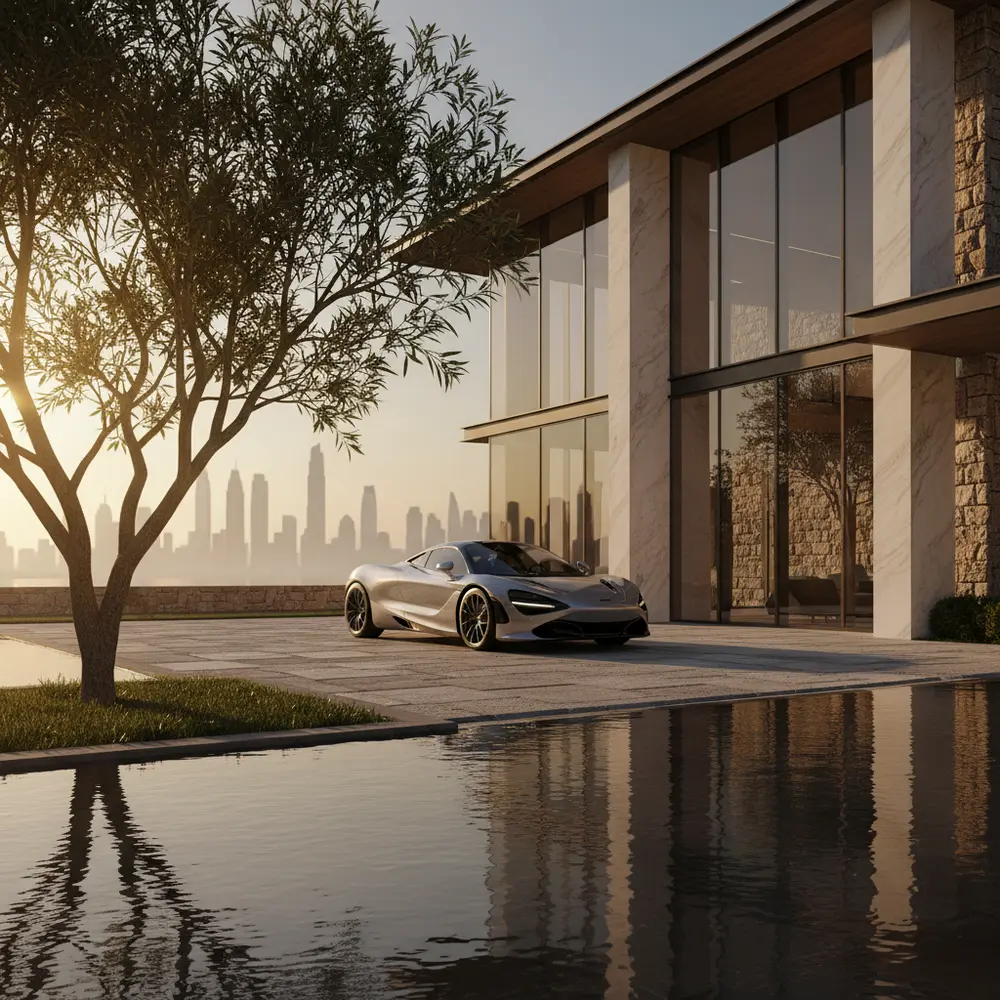
7 Tips for the Best 3D Architectural Rendering Results
7 Tips for the Best 3D Architectural Rendering Results
In the rapidly evolving landscape of the United Arab Emirates, where architectural marvels rise from the desert sands almost overnight, the demand for high-quality visualization has never been greater. Whether you are a developer in Dubai, an architect in Abu Dhabi, or a designer catering to Sharjah brands, the ability to present a project before a single brick is laid is a vital competitive advantage. Creating a photorealistic image requires more than just high-end software; it demands an artistic eye and a strategic approach. This guide explores 7 Tips for the Best 3D Architectural Rendering Results to help you elevate your project presentations and secure stakeholder buy-in across the UAE market.
Visual communication is the cornerstone of modern real estate. For Dubai businesses, the “wow factor” is not just a luxury—it is a requirement to stand out in a global hub of innovation. High-quality rendering bridges the gap between technical blueprints and emotional connection, allowing potential investors to step inside a future space. To achieve this, one must balance technical precision with atmospheric storytelling. By following these 7 Tips for the Best 3D Architectural Rendering Results, you can ensure your digital assets are not just pictures, but powerful marketing tools that resonate with the sophisticated UAE audience.
1. Prioritize High-Quality Texturing and PBR Materials
The realism of a 3D render is often determined by the quality of its surfaces. Physically Based Rendering (PBR) materials are essential for achieving a lifelike look because they simulate how light interacts with different textures in the real world. For luxury projects in the UAE, where marble, polished chrome, and high-end glass are common, using low-resolution textures can immediately break the illusion of reality. You must ensure that every material—from the roughness of a concrete wall to the reflectivity of a skyscraper’s facade—is mapped with precision.
When selecting textures, aim for 4K resolution or higher. Pay close attention to maps such as displacement, normal, and specular maps. These technical layers add depth to a flat surface, making a brick wall look rugged or a wooden floor look naturally grained. In the context of 3D architectural rendering services, the difference between a mediocre image and a masterpiece often lies in these minute details. UAE companies frequently look for that tactile quality that makes a viewer want to reach out and touch the surface of the rendered building.
2. Master the Art of Natural and Artificial Lighting
Lighting is the most influential element in setting the mood of your architectural visualization. In the Middle East, the sun plays a central role in how buildings are perceived. To get the best 3D architectural rendering results, you should experiment with different times of day. A “Golden Hour” render, which mimics the soft, warm light of a Dubai sunset, can evoke feelings of luxury and serenity. Conversely, a midday sun can highlight the crisp lines and modern geometry of a Sharjah residential complex.
Don’t forget the importance of artificial lighting, especially for interior shots. Use IES (Illuminating Engineering Society) profiles to replicate the exact throw and intensity of real-world light fixtures. This is particularly important for retail spaces and hospitality projects in Abu Dhabi, where the lighting design is an integral part of the architecture. Balancing the cool blue light coming from the windows with the warm glow of interior lamps creates a dynamic contrast that adds depth and realism to your scene.
3. Focus on Realistic Context and Surroundings
One common mistake in architectural visualization is placing a beautifully designed building in a vacuum. To provide the best 3D architectural rendering results, you must ground your project in its actual environment. For projects located in the UAE, this means including local vegetation like date palms, accurately modeled sidewalks, and even the specific style of streetlights found in the area. Including recognizable elements of the Dubai skyline or the coastal vibes of Abu Dhabi helps the client visualize the project in situ.
Furthermore, adding “imperfections” to the environment can paradoxically make the image look more perfect. Real life isn’t sterile. Adding subtle details like a few fallen leaves, slight weathering on a curb, or realistic reflections in a puddle can significantly enhance the authenticity of the scene. When Artsun Studio approaches a project, the focus is always on creating a cohesive environment that tells a story rather than just showcasing a structure. This contextual depth is what separates a generic 3D model from a professional architectural presentation.
The Role of Local Flora in UAE Renderings
Using the correct plant species is a subtle but powerful way to show local expertise. Incorporating Ghaf trees or Desert Roses in a project for the Abu Dhabi market demonstrates a commitment to local culture and environmental accuracy. These details are highly appreciated by UAE developers who are increasingly focused on sustainable and region-specific designs. This level of detail is a core part of the 7 Tips for the Best 3D Architectural Rendering Results for anyone working within the Emirates.
4. Use Professional Camera Composition and Angles
Think like a photographer, not just a 3D modeler. The way you frame your shot can change the entire perception of a building’s scale and importance. For large-scale developments, a low-angle shot can make a tower look more imposing and majestic. For residential interiors, a human-eye-level camera creates a sense of intimacy and “livability.” Avoid using extreme wide-angle lenses that distort the architecture, as this can make the space feel unrealistic and confusing to the client.
Compositional rules like the “Rule of Thirds” or “Leading Lines” should be applied to guide the viewer’s eye toward the focal point of the building. In the competitive digital marketing in UAE, attention spans are short. Your primary render needs to communicate the project’s main selling point within seconds. Whether it’s the grand entrance of a hotel or the sleek terrace of a penthouse, the camera placement should highlight the most unique features of the design. Utilizing architectural videography principles even in still shots can help you understand movement and flow better.
5. Incorporate High-Quality 3D Assets and “Entourage”
The furniture, vehicles, and people you place in your scene—collectively known as the entourage—must match the quality of the building itself. If you are rendering a luxury villa in Emirates Hills, the cars in the driveway should be high-end models, and the interior furniture should reflect current design trends. Using low-poly or outdated 3D assets can instantly cheapen the look of your entire project. For the best 3D architectural rendering results, invest in premium asset libraries that offer high-detail models.
People add life and scale to a render. However, they must be used carefully. “Ghosted” or blurred people can show movement without distracting from the architecture, while realistic 3D scanned people can make a commercial plaza feel vibrant and successful. For UAE companies, showing a diverse and active population in the renders helps illustrate the social impact of the development. This is why Artsun advertising agency emphasizes the use of high-quality assets to ensure that every frame tells a compelling human story.
6. Leverage Advanced Post-Processing Techniques
The rendering engine gets you 90% of the way there, but the final 10% happens in post-production. Software like Adobe Photoshop or After Effects allows you to fine-tune colors, adjust contrast, and add atmospheric effects like bloom, glare, or light fog. Post-processing is where you can unify the color palette of your image, ensuring that it aligns with the branding of the project. This is a critical step in the 7 Tips for the Best 3D Architectural Rendering Results because it gives you artistic control over the final output.
In addition to color grading, you can use post-processing to add subtle lens effects like chromatic aberration or film grain, which mimic the look of a real camera lens. For those looking to take their presentation to the next level, integrating high-end CGI and VFX can allow for more complex visual storytelling. This is particularly effective for large-scale urban planning projects in Dubai where you might want to show the transition from day to night or simulate weather changes.
7. Choose the Right Rendering Engine for Your Needs
Not all rendering engines are created equal. Depending on your project requirements—speed, realism, or interactivity—you might choose V-Ray, Corona, Lumion, or Unreal Engine. For hyper-realistic still images, Corona and V-Ray remain industry standards. However, if you are looking to create a 3D architectural animation, real-time engines like Unreal Engine 5 are becoming increasingly popular due to their speed and visual fidelity.
Working with a professional Artsun advertising agency ensures that the right tools are used for the specific goals of your campaign. Each engine has its strengths, and knowing how to push the settings to achieve maximum realism is a skill that comes with years of experience. For Dubai businesses that require fast turnarounds without sacrificing quality, knowing when to use real-time rendering versus traditional path-tracing is essential. This technical decision-edge is a primary factor in obtaining the best 3D architectural rendering results.
Key Comparison: Still Renders vs. Animations
While still renders are perfect for brochures and billboards, animations provide a cinematic experience that can be used on social media and in sales centers. UAE developers often use a combination of both. Still images provide the detail, while animations provide the context and emotional journey of moving through the space. Both formats benefit from the same 7 Tips for the Best 3D Architectural Rendering Results, particularly regarding lighting and material quality.
The Impact of 3D Visualization on UAE Real Estate
The real estate market in the UAE is one of the most dynamic in the world. Projects like the expansion of Dubai South or the new cultural districts in Abu Dhabi rely heavily on visual storytelling to attract global investment. High-quality 3D renders are used in everything from government approvals to international marketing campaigns. By implementing these tips, you ensure your project is viewed as a serious, high-value prospect.
Beyond just looking good, these renders serve as a tool for error detection. Seeing a building in 3D allows architects and clients to identify design flaws or material conflicts before construction begins, saving millions of dirhams in potential rework. For a marketing agency in Dubai, providing these visual assets is about offering a complete solution that covers both the aesthetic and practical needs of the client. The investment in high-end visualization always pays off in the speed of sales and the clarity of communication.
Frequently Asked Questions
How long does it take to produce a high-quality 3D architectural render?
The timeline varies depending on the complexity of the project. A single high-quality interior render might take 3 to 5 days, including modeling, texturing, and lighting. Large-scale exterior projects or animations can take several weeks. To achieve the best 3D architectural rendering results, it is important not to rush the process, as the final details often take the most time.
What software is best for 3D architectural rendering in the UAE?
Most professional studios in Dubai and Abu Dhabi use a combination of 3ds Max with V-Ray or Corona for still images. For interactive walkthroughs and animations, Unreal Engine is the leading choice. The “best” software is the one that fits your specific workflow and the level of realism required by your client.
Why are my 3D renders not looking realistic?
Lack of realism usually stems from flat lighting, low-quality textures, or perfectly straight lines. Real life is full of subtle imperfections and complex light bounces. Ensure you are using PBR materials, IES light profiles, and adding a bit of “chaos” or natural detail to your scene to improve authenticity.
Can 3D rendering help with government approvals in Dubai?
Yes, 3D renders are often a required part of the submission process for various UAE municipal authorities. They help officials understand how a new building will fit into the existing urban fabric and ensure it complies with local aesthetic and zoning regulations.
Conclusion
Mastering architectural visualization is a journey of continuous learning and refinement. By focusing on the 7 Tips for the Best 3D Architectural Rendering Results—ranging from the technicality of PBR materials to the artistry of camera composition—you can create images that do more than just represent a building; they sell a lifestyle. In a market as competitive as the UAE, where excellence is the standard, your visual assets must be impeccable.
Whether you are a startup looking to make your mark or an established developer, partnering with a professional Artsun advertising agency can provide the expertise needed to turn your architectural visions into reality. High-quality rendering is an investment in your project’s future, ensuring it captures the attention of the Dubai market and beyond. Ready to elevate your project with world-class visualization? Contact us today to see how our team can bring your architectural concepts to life with stunning clarity and realism.

