
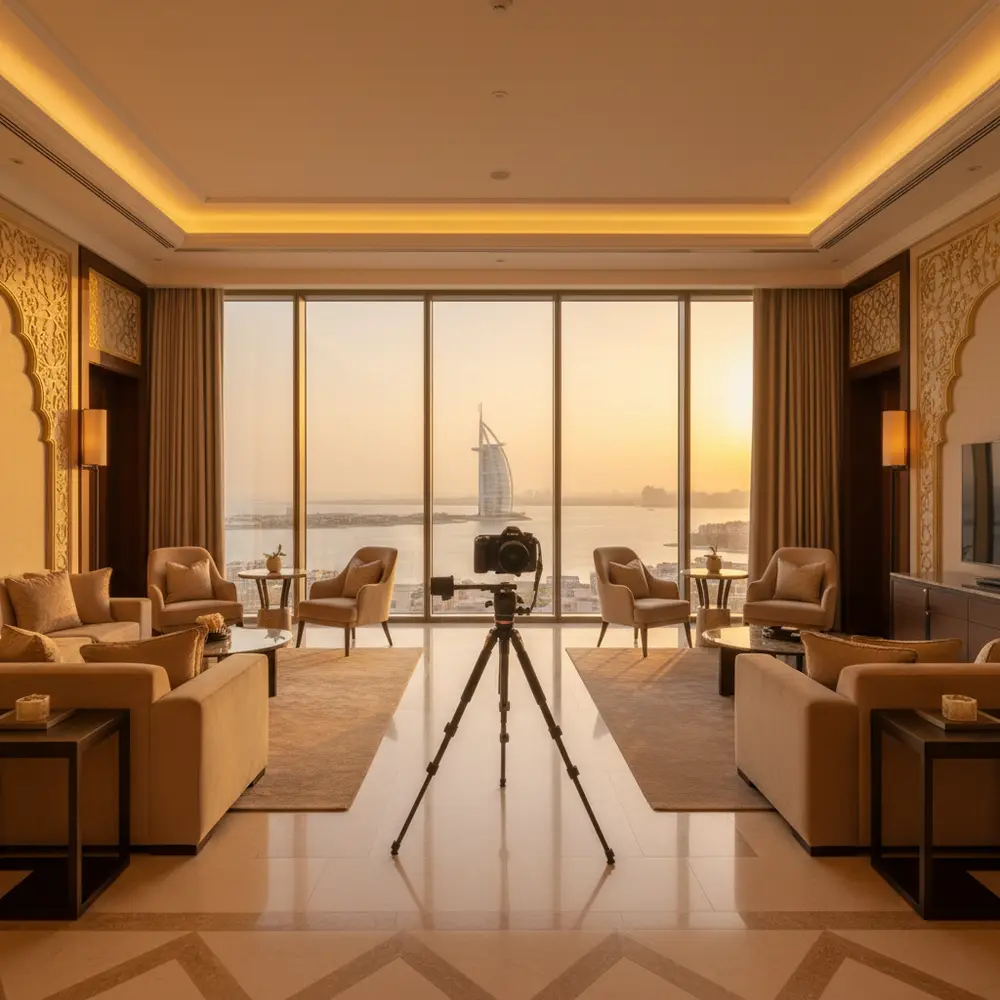
How to Get the Best 360 Degree Photo Shooting for Your Hotel
How to Get the Best 360 Degree Photo Shooting for Your Hotel
In the highly competitive hospitality landscape of the United Arab Emirates, standing out is no longer just about offering luxury; it is about how you present that luxury to the world. As travelers from across the globe look toward the UAE for their next vacation or business trip, their first point of contact is almost always digital. This is where learning how to get the best 360 degree photo shooting for your hotel becomes a game-changer. Whether your property is situated amidst the towering skyscrapers of Dubai or the cultural heart of Sharjah, immersive visual content allows potential guests to step inside your lobby, suites, and spa facilities before they even book a flight. In an era where transparency and experience are paramount, high-quality panoramic imagery serves as a bridge of trust between UAE companies and their international clientele.
The demand for interactive content has surged significantly within the Abu Dhabi market and beyond. Traditional static photography, while still necessary, often fails to capture the true scale and ambiance of a premium resort. By implementing a sophisticated virtual tour strategy, hotels can reduce bounce rates on their websites and increase direct bookings. This comprehensive guide will explore the technical requirements, creative strategies, and local market insights necessary to execute a world-class 360-degree photoshoot that resonates with the sophisticated audience in the Middle East.
The Evolution of Hotel Marketing in the UAE
The UAE has always been at the forefront of architectural innovation and luxury tourism. From the iconic Burj Al Arab to the majestic Emirates Palace, the region sets a global standard for hospitality. Consequently, digital marketing in UAE has evolved to match these high standards. Ten years ago, a few high-resolution photos were enough to satisfy a guest’s curiosity. Today, the modern traveler expects an interactive experience. They want to explore the layout of a “Royal Suite” or see the proximity of the pool to the beach in real-time. This shift is particularly evident among Dubai businesses that cater to a tech-savvy, millennial demographic that values authenticity and immersive storytelling.
As the competition intensifies, hotels in Sharjah and Ras Al Khaimah are also adopting advanced visual tools to highlight their unique selling points. The goal is to provide a “digital twin” of the physical property. When a guest feels they have already “walked through” the hallways via a high-quality virtual tour, the psychological barrier to booking is significantly lowered. This evolution is not just about the hardware; it is about a strategic approach to visual communication that aligns with the premium branding of the UAE’s hospitality sector.
Technical Standards for Professional 360-Degree Photography
Achieving a seamless, high-resolution virtual tour requires more than just a panoramic camera. It involves a combination of high-end optics, precise stitching software, and an eye for composition. For a hotel, the stakes are even higher because any technical flaw—such as a blurry seam in the floor or a distorted window view—can detract from the perceived quality of the brand. To ensure you are getting the best results, it is essential to understand the difference between consumer-grade 360 cameras and professional setups. Professional photographers often use DSLR or mirrorless cameras with fisheye lenses mounted on specialized panoramic heads to capture multiple high-dynamic-range (HDR) brackets.
When searching for professional 360-degree photography, you must prioritize resolution and lighting. In the luxury hotel sector, every detail matters—from the texture of the marble floors to the view of the Dubai Marina from the balcony. High-dynamic-range imaging is crucial here, as it allows the camera to capture details in both the dark corners of a room and the bright sunlight streaming through the windows. Without HDR, the beautiful UAE sun would likely “blow out” the windows, leaving them as white squares in your photos rather than showcasing the stunning vistas your guests are paying for.
The Importance of Image Stitching and Post-Processing
Once the images are captured, the post-production phase begins. This is where the magic happens. Stitching is the process of combining multiple images into a single, seamless sphere. Professional editors spend hours ensuring that there are no “ghosting” effects or misaligned lines. Furthermore, color grading is vital to maintain brand consistency. If your hotel’s brand palette focuses on warm, gold tones, the virtual tour must reflect that warmth consistently across every room. Post-processing also involves “nadir patching,” which is the technical term for removing the tripod or the photographer’s shadow from the bottom of the image, ensuring the guest feels completely immersed without any technical distractions.
Choosing the Right Creative Partner in the Abu Dhabi Market
Selecting a production house is a critical decision for any hotel manager. The Abu Dhabi market is home to some of the most luxurious properties in the world, and these establishments require a partner that understands the nuances of high-end hospitality. You need a team that doesn’t just take photos but understands how to sell an experience. This is where Artsun advertising agency excels. By combining technical expertise with a deep understanding of the local culture and consumer behavior, a professional agency ensures that every frame of the 360-degree shoot serves a marketing purpose.
When evaluating a potential partner, look at their portfolio specifically for interior and architectural work. A studio that specializes in Artsun advertising agency projects will have the right equipment to handle the unique lighting challenges of large ballrooms and narrow corridors. Furthermore, ensure that the agency is familiar with the latest hosting platforms. A great 360-degree image is useless if it doesn’t load quickly on a mobile device or if it isn’t compatible with major booking engines and Google Street View. Working with a creative agency in Dubai allows your hotel to tap into a wealth of local knowledge regarding what international tourists look for when browsing UAE-based accommodations.
Questions to Ask Your Photography Team
Before signing a contract, ask about their workflow. Do they provide retouching? Are the files delivered in a format that can be easily integrated into your existing website? How do they handle the “moving parts” of a hotel, such as guests or staff walking through the lobby? A professional team will have a plan for “clearing the frame” and will often work during off-peak hours to ensure the property looks pristine and tranquil. They should also be able to offer advice on how to get the best 360 degree photo shooting for your hotel by suggesting the best angles and room setups.
Planning Your 360 Degree Photo Shooting Session
Preparation is 90% of the success of a photoshoot. For a hotel, this means coordinating across several departments—housekeeping, front office, and maintenance. Every room featured in the tour must be “showroom ready.” This involves steaming the linens to remove every wrinkle, ensuring all light bulbs are functioning and have a consistent color temperature, and perfectly arranging amenities. In the context of advertising photography, even the smallest oversight, like a crooked pillow or a visible power cord, can be magnified in a 360-degree environment where the viewer can zoom in on any part of the room.
Timing is also essential. The “Golden Hour” in the UAE offers a soft, warm light that is incredibly flattering for exterior shots and rooms with large windows. For hotels in Dubai, capturing the city lights at dusk can add a layer of glamour and excitement to the virtual tour. In contrast, for a desert resort in the Abu Dhabi market, mid-morning light might better highlight the textures of the sand dunes and the architecture. Coordinate with your photographer to create a “shot list” that prioritizes the most important areas, such as the lobby, the main restaurant, the pool area, and at least three categories of guest rooms.
Pre-visualisation and Staging
Some hotels choose to use 3D architectural rendering to plan their spaces before the actual shoot. This allows the marketing team to see how furniture arrangements will look from a 360-degree perspective. Staging is not just about cleaning; it’s about “propping.” Adding a fresh bowl of fruit, a lifestyle magazine, or a set of inviting drinks by the poolside can make the space feel lived-in and welcoming. These small details help potential guests visualize themselves enjoying the facilities, which is the ultimate goal of any marketing effort for UAE companies.
Maximizing Your ROI with Virtual Tours
A 360-degree photoshoot is a significant investment, so it is vital to maximize its reach. Once the images are ready, they should be integrated into every possible digital touchpoint. The most obvious place is the hotel’s official website, but you should also update your Google Business Profile. Google rewards businesses that provide high-quality, immersive content with better visibility in local search results. For Sharjah brands and Dubai-based hotels, appearing in the “Map Pack” with a “See Inside” option can drastically increase click-through rates.
Furthermore, consider the power of high-quality video production to complement your still panoramas. You can create a “guided virtual tour” where a video overlay explains the features of the room as the user navigates the 360-degree space. This hybrid approach is becoming increasingly popular in digital marketing in UAE. Social media platforms like Facebook and YouTube also support 360-degree content, providing an interactive way to engage your followers and showcase your property’s highlights in their newsfeeds.
The Role of 360-Degree Media in Sharjah Brands and Tourism
While Dubai is known for its glitz, Sharjah is the cultural capital of the UAE, boasting beautiful museums, traditional souks, and heritage hotels. For Sharjah brands, 360-degree photography is a tool for storytelling. It allows these properties to showcase their intricate Islamic architecture and cultural authenticity. A virtual tour of a heritage house turned boutique hotel can transport a user into the heart of Emirati culture, creating an emotional connection that static images cannot replicate.
As the Sharjah government continues to promote the emirate as a family-friendly and cultural destination, local hotels must step up their digital presence. Using Artsun advertising agency to produce these assets ensures that the cultural nuances are respected while the technical quality remains world-class. Whether it is a panoramic view of the Al Noor Island or an immersive look inside a luxury suite overlooking the Khalid Lagoon, 360-degree media helps Sharjah’s hospitality sector compete on a global scale by highlighting the unique blend of tradition and modernity that defines the region.
Technical Integration and User Experience
The best 360-degree photos in the world won’t help your hotel if the user experience (UX) is poor. When embedding these tours into your website, ensure that they are mobile-responsive. A large portion of travelers in the UAE and abroad book their stays via smartphones. The interface should be intuitive, allowing users to “walk” from the bedroom to the bathroom or out onto the balcony with a simple tap or swipe. Fast loading speeds are non-negotiable; if a virtual tour takes more than a few seconds to load, the potential guest will likely leave the page.
Consider adding “hotspots” within your virtual tour. Hotspots are interactive icons that users can click on to get more information. For example, a hotspot on a coffee machine could reveal that the hotel provides premium organic coffee pods, or a hotspot on a window could show a pop-up text about the specific landmarks visible from that room. This layer of interactivity turns a passive viewing experience into an active exploration, keeping users on your site longer and increasing the likelihood of a conversion. This is a strategy frequently used by top-tier UAE companies to drive engagement and provide detailed information without cluttering the visual field.
FAQs About 360 Degree Photo Shooting for Hotels
How long does a 360-degree photoshoot usually take?
For a standard mid-sized hotel, a comprehensive shoot typically takes 1 to 3 days. This depends on the number of rooms, the size of the public areas, and the complexity of the lighting. Professional teams often work early in the morning or late at night to avoid disrupting guests.
Can 360-degree photos be used on social media?
Yes, platforms like Facebook and YouTube fully support 360-degree photos and videos. They are excellent for increasing engagement, as they encourage users to interact with the post rather than just scrolling past it. They are particularly effective for “behind the scenes” looks or showcasing new renovations.
Do I need to hire a local agency in the UAE?
While you can hire international teams, working with a local agency like Artsun Studio offers several advantages. Local teams understand the specific lighting conditions of the region, have easier access to the property for follow-up shoots, and are well-versed in the cultural expectations of the Abu Dhabi and Dubai markets.
What is the difference between a virtual tour and a 360-degree photo?
A 360-degree photo is a single panoramic image of one location. A virtual tour is a collection of these images linked together, allowing the user to “move” from one space to another, creating a cohesive experience of the entire property.
How often should a hotel update its virtual tour?
It is recommended to update your virtual tour whenever there are significant renovations, changes in decor, or every 2 to 3 years to ensure the technology used (resolution and interface) remains current with modern standards.
Conclusion: Elevate Your Hotel’s Presence Today
In the vibrant and ever-evolving UAE hospitality market, visual content is the currency of trust. Knowing how to get the best 360 degree photo shooting for your hotel is the first step toward creating a digital presence that reflects the excellence of your physical property. From the initial planning stages and selecting a partner like Artsun Studio to the technical execution and strategic distribution of the content, every detail contributes to your hotel’s online reputation. By investing in high-quality, immersive imagery, you are not just showing a room; you are inviting the world to experience your hospitality.
Whether you are managing a boutique hotel in Sharjah or a luxury resort in Abu Dhabi, the goal remains the same: to turn “lookers” into “bookers.” In a world where travelers are overwhelmed with choices, the clarity, transparency, and engagement offered by a professional virtual tour can be the deciding factor. Take the leap into immersive marketing and ensure your property is seen in the best possible light—literally and figuratively. Your guests are already looking for you; make sure what they see is nothing short of spectacular.

