
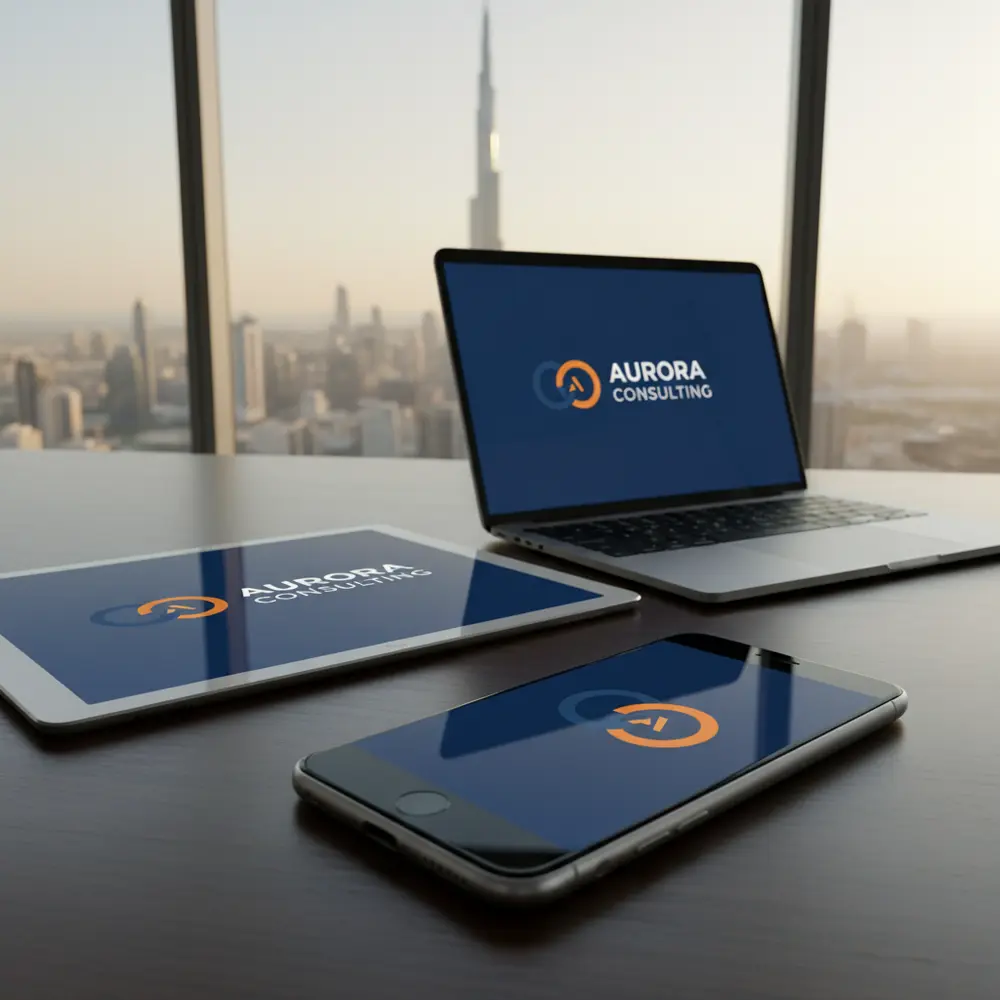
Flexible Logo Systems for Digital Platforms.
Flexible Logo Systems for Digital Platforms
In the rapidly evolving digital landscape of the United Arab Emirates, the concept of a single, static logo is becoming a relic of the past. As Dubai businesses and Abu Dhabi market leaders transition toward more immersive digital experiences, the need for a versatile visual identity has never been more critical. Traditional branding often fails when squeezed into a mobile app icon or expanded across a massive digital billboard in Sharjah. This is where Flexible Logo Systems for Digital Platforms come into play, offering a dynamic approach to visual identity that ensures consistency, legibility, and brand recognition across every possible touchpoint.
A flexible logo system is not just about having different sizes of the same image. It is a strategic framework of design elements that can shift, shrink, or expand depending on the context. Whether a brand is appearing on a high-resolution retina display, a social media profile, or an embroidered corporate uniform, the core essence of the brand remains unmistakable. For UAE companies looking to maintain a competitive edge, adopting this responsive design philosophy is no longer optional—it is a fundamental requirement for digital survival.
Understanding the Evolution of Responsive Branding
The history of branding was rooted in print. For decades, a logo was designed to look good on a letterhead, a business card, or a physical storefront. However, the explosion of digital marketing in UAE has forced designers to rethink this “one-size-fits-all” mentality. Today, a brand must live on smartphones, smartwatches, tablets, laptops, and even voice-activated interfaces. This fragmentation of media means that a complex, detailed logo will likely become an unrecognizable smudge when reduced to a 16-pixel favicon.
Responsive branding mirrors the principles of responsive web design. Just as a website layout changes to fit the screen size, a flexible logo system adapts its complexity. This might involve removing taglines, simplifying intricate illustrations, or rearranging elements from a horizontal to a vertical stack. By prioritizing Flexible Logo Systems for Digital Platforms, designers ensure that the brand’s visual shorthand remains effective even in the smallest digital environments.
For organizations operating in the diverse Abu Dhabi market, where luxury and precision are paramount, a logo that loses its integrity on a mobile device can signal a lack of technical sophistication. On the other hand, a brand that transitions seamlessly between an Instagram avatar and a large-scale presentation demonstrates a commitment to quality and modern user experience. This adaptability is the hallmark of a truly digital-first identity.
Core Components of a Versatile Visual Identity
Building a successful flexible system requires a deep understanding of the brand’s DNA. It involves identifying which elements are essential and which can be modified or removed without losing brand equity. Usually, this system includes several variations: the primary logo, a secondary logo (often a stacked version), a sub-mark or icon, and a simplified wordmark. Each of these serves a specific purpose in the digital ecosystem.
The primary logo is the most detailed version, used on large formats like website headers or high-impact digital displays. The secondary logo offers a different orientation—often vertical—to fit sidebars or specific social media layouts. The sub-mark is a distilled version, often just an icon or a stylized letter, perfect for mobile apps or favicons. This tiered approach allows for maximum visibility and impact, regardless of the available space. For those seeking professional logo design services, it is vital to ensure that these variations are part of the initial creative process.
Color is another critical component. A flexible system must account for different screen types and light modes. Dark mode has become a standard feature on most operating systems, and a logo that looks great on a white background might disappear on a black one. A robust system includes inverted color palettes and monochromatic versions to ensure the brand stands out in any environment. This level of detail is what separates a basic graphic from a comprehensive corporate identity.
Why Dubai Businesses Need Adaptable Brand Assets
Dubai is a global hub for innovation and entrepreneurship. With a high concentration of tech-savvy consumers and international visitors, the digital presence of a business often serves as its first impression. When web design in Dubai is executed correctly, it integrates these flexible brand assets to create a fluid and engaging user journey. If a logo feels clunky or out of place on a high-end website, the entire user experience suffers.
The competitive nature of the local market means that brands are constantly fighting for attention on crowded social media feeds. A flexible icon that remains legible even at small sizes gives a brand a significant advantage. It allows for better recognition in the fast-scrolling environment of TikTok, Instagram, and LinkedIn. Flexible Logo Systems for Digital Platforms provide the agility needed to react to new digital trends without needing a full rebrand every few years.
Furthermore, many Dubai businesses operate across multiple sectors, from real estate to hospitality. A flexible system allows the brand to maintain a “master” identity while subtly shifting to suit different sub-brands or service lines. This hierarchical flexibility helps in maintaining a cohesive brand architecture that can grow and evolve with the company’s ambitions in the UAE and beyond.
The Strategic Advantage for UAE Companies in the Digital Age
The United Arab Emirates is home to some of the most ambitious digital transformation initiatives in the world. From “Smart Dubai” to the various tech hubs in Sharjah, the region is moving toward a future where every interaction is digitized. In this context, Flexible Logo Systems for Digital Platforms are not just a design trend; they are a strategic asset. A brand that can move fluidly between the physical and digital worlds is a brand that is built for the future.
Artsun advertising agency recognizes that a brand’s digital footprint is often its most valuable asset. By investing in a system that prioritizes flexibility, UAE companies can ensure they are ready for whatever the next technological wave brings—be it augmented reality (AR) or the metaverse. These platforms require logos that are not just two-dimensional but can exist in 3D spaces or react to user interactions.
Moreover, search engines and social algorithms prioritize user experience. A website that loads correctly and features optimized, clear imagery (including logos) will naturally perform better in rankings. Integrating comprehensive search engine optimization with a high-quality visual identity creates a powerful synergy that drives both traffic and conversions. When your brand looks professional and consistent across all search results and social previews, it builds the trust necessary to convert a visitor into a loyal customer.
Motion and Interactivity in Modern Logo Design
One of the most exciting aspects of Flexible Logo Systems for Digital Platforms is the integration of motion. In a world of static images, a logo that moves can capture attention instantly. Animated logos are no longer just for big-budget film studios; they are increasingly used in web intros, app splash screens, and digital advertisements. Motion adds a layer of personality and storytelling that a static image simply cannot achieve.
An animated logo can communicate brand values in seconds. For example, a tech company might use a logo that “assembles” itself to represent innovation and precision, while a luxury brand in Abu Dhabi might use a slow, elegant reveal to signify sophistication. These micro-interactions help in creating a memorable brand experience that resonates with the audience on an emotional level. This is a core part of modern social media management, where capturing attention in the first two seconds is vital.
Interactivity takes this a step further. Imagine a logo that changes color based on the time of day on a website, or one that reacts to a user’s cursor movement. These features make the brand feel alive and responsive to the user’s needs. By moving beyond the constraints of traditional design, businesses in the UAE can create digital identities that are not only flexible but also truly engaging.
Implementing a Flexible Framework for Sharjah Brands
For Sharjah brands and smaller enterprises in the Northern Emirates, the transition to a flexible system can seem daunting. However, the process is quite structured. It begins with a thorough audit of all current and future digital touchpoints. Designers then create a “Brand Book” or a digital style guide that dictates exactly how the logo should behave in different scenarios. This ensures that whether a brand is working with an internal team or an external agency, the visual output is always consistent.
Artsun advertising agency emphasizes the importance of future-proofing. A logo designed today should be able to function on devices that haven’t even been invented yet. This requires a focus on simplicity and scalability. By stripping away unnecessary ornamentation and focusing on strong, geometric shapes and bold typography, a brand can ensure its longevity in the digital marketplace. This “less is more” approach is particularly effective in the UAE, where diverse populations require visual communication that is clear and universally understood.
Implementation also involves technical optimization. Files must be delivered in SVG (Scalable Vector Graphics) format whenever possible to ensure they stay crisp at any size without increasing page load times. This attention to detail is what defines a creative solutions for brands approach, where technical proficiency meets artistic vision to deliver results that work in the real world.
How to Test Your Brand’s Flexibility
If you are unsure if your current brand is ready for the digital age, there are a few simple tests you can perform. First, look at your logo on a mobile device. Is the text legible? Do the details become blurry? Second, try placing your logo on a very dark or very busy background. Does it still stand out? Third, consider how your logo looks as a tiny icon in a browser tab. If it fails any of these tests, it is likely time to consider a more flexible system.
A successful transition requires collaboration between designers, developers, and marketing strategists. It’s not just about the art; it’s about the functionality. By choosing a partner like Artsun Studio, businesses can navigate this complex process and emerge with a brand identity that is both beautiful and highly functional across the entire digital landscape of the UAE.
Frequently Asked Questions
What is the difference between a responsive logo and a traditional logo?
A traditional logo is a single, static image designed to look the same everywhere. A responsive or flexible logo is a system of multiple variations that change in complexity and layout depending on the screen size or platform, ensuring maximum legibility and impact everywhere.
Why is a flexible logo system important for UAE local SEO?
Google and other search engines prioritize user experience. A flexible logo that is optimized for mobile devices contributes to faster load times and a better mobile experience, which are key ranking factors. Additionally, a consistent brand presence across all digital platforms improves brand signals, which indirectly aids SEO.
Does my company need to change its existing logo to become “flexible”?
Not necessarily. In many cases, an existing logo can be adapted into a flexible system. This usually involves creating simplified versions, icons, and wordmarks based on the original design to ensure it works across all digital platforms without losing its recognizable identity.
How many variations should a flexible logo system have?
While it varies by brand, a standard system usually includes 3 to 4 variations: the primary logo, a secondary (stacked) version, a simplified wordmark, and a standalone icon (or sub-mark). This provides enough options to cover everything from billboards to tiny mobile app icons.
Is motion logo design necessary for all businesses?
While not strictly “necessary,” motion logos are highly recommended for digital-first brands. They are particularly effective for social media, video content, and app interfaces, helping the brand stand out in the highly competitive digital market of Dubai and the wider UAE.
Conclusion: Building a Future-Proof Brand in the UAE
The transition toward Flexible Logo Systems for Digital Platforms represents a fundamental shift in how we perceive brand identity. In a world where the boundaries between the physical and digital are constantly blurring, a brand must be as fluid as the media it inhabits. For UAE companies, from the bustling streets of Dubai to the cultural heart of Sharjah, the ability to communicate clearly and consistently across every digital touchpoint is the key to long-term success.
By embracing adaptability, motion, and technical optimization, businesses can ensure their visual identity remains relevant in an increasingly crowded Abu Dhabi market. A flexible system provides the foundation for all future marketing efforts, allowing for seamless integration across websites, social media, and emerging technologies. If you are ready to elevate your brand for the digital age, now is the time to invest in a visual system that works as hard as you do.
Don’t let your brand get left behind in the static past. Contact a professional agency today to develop a responsive, dynamic identity that resonates with your audience and drives growth across the United Arab Emirates. The digital future is flexible—your brand should be too.

