
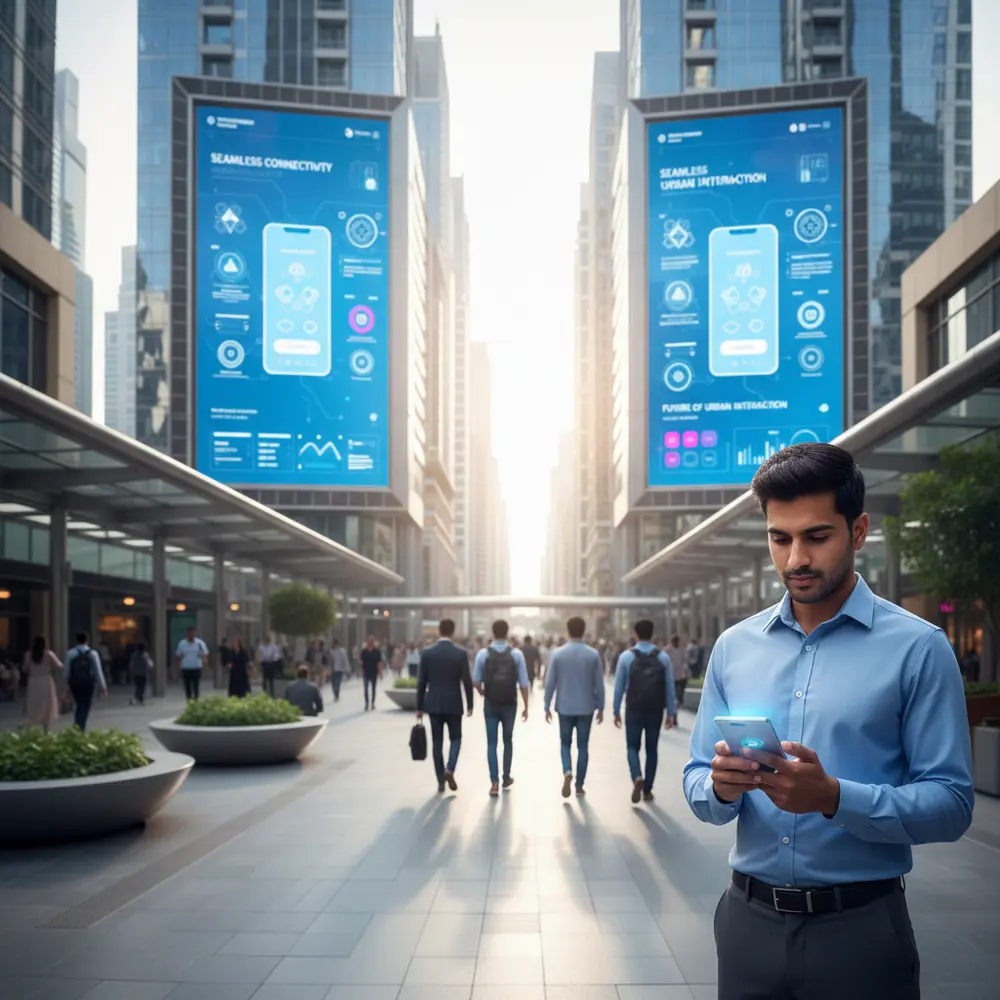
Mobile-First Design: Why It Matters in Dubai.
Mobile-First Design: Why It Matters in Dubai
In the rapidly evolving digital landscape, the way users access and interact with online content has undergone a profound transformation. Gone are the days when desktop computers were the primary gateway to the internet. Today, smartphones have become indispensable tools, defining how we shop, communicate, entertain ourselves, and gather information. This shift has necessitated a fundamental rethinking of web development, giving rise to the critical concept of Mobile-First Design. In a dynamic and forward-thinking metropolis like Dubai, where innovation and connectivity are paramount, understanding why Mobile-First Design is not just a trend but a necessity is crucial for any business aiming for sustained success. This article delves into the intricacies of this approach, its benefits, and why it holds particular significance for companies operating in Dubai, Abu Dhabi, and Sharjah.
The Digital Landscape of Dubai, Abu Dhabi, and Sharjah: A Mobile-Dominated Arena
The United Arab Emirates stands as one of the world’s most connected nations, boasting exceptionally high rates of internet and smartphone penetration. In cities like Dubai, Abu Dhabi, and Sharjah, a significant majority of the population relies on their mobile devices for daily digital interactions. Picture the bustling streets of Dubai, the vibrant souks, or the modern business districts – everywhere you look, people are engaged with their smartphones. From residents checking the latest news during their commute on the Dubai Metro to tourists booking experiences through a mobile app, or businesses managing operations on the go, mobile devices are at the heart of daily life.
Statistics consistently show that mobile internet usage far surpasses desktop usage in the UAE. This isn’t just a casual preference; it’s a fundamental aspect of consumer behavior. Users expect immediate access to information, seamless browsing experiences, and quick transactions, all optimized for the palm of their hand. Websites that fail to deliver this optimized experience are quickly abandoned, leading to lost opportunities and frustrated potential customers. For any entity aiming to capture the attention of this tech-savvy audience, particularly in the competitive markets of Dubai, Abu Dhabi, and Sharjah, acknowledging and adapting to this mobile-first reality is not an option but a strategic imperative.
What Exactly Is Mobile-First Design?
To truly appreciate why Mobile-First Design matters so immensely in Dubai, it’s essential to grasp its core principle. Unlike traditional “desktop-first” approaches where a website is initially designed for larger screens and then adapted downwards for mobile, mobile-first design flips this paradigm. It means starting the design and development process with the smallest screen in mind – typically a smartphone. The focus begins on delivering the most essential content and functionalities in a clean, concise, and highly usable format for mobile users.
Once the mobile experience is perfected, the design is then progressively enhanced for larger screens like tablets and desktops, adding more complex features, richer content, and expanded layouts. This methodology ensures that the core user experience is robust and efficient on mobile devices, where constraints like screen size, bandwidth, and touch interactions are most pronounced. It forces designers and developers to prioritize content, simplify navigation, and optimize performance from the outset, leading to a leaner, faster, and more user-centric website across all platforms. This strategic thinking is precisely what businesses in Dubai need to adopt to stay ahead.
Enhanced User Experience (UX) and Engagement
The primary and most immediate benefit of adopting Mobile-First Design is a vastly improved user experience (UX). When a website is built with mobile users in mind first, every element is designed for optimal readability, intuitive navigation, and effortless interaction on a small screen. This means larger touch targets, easily scannable content, minimal scrolling, and a clear call to action.
Consider a potential customer in Dubai searching for a restaurant or a service. If they land on a website that is slow to load, requires excessive pinching and zooming, or has tiny text and unresponsive buttons, they will likely abandon it within seconds. A mobile-first approach directly addresses these pain points:
- Faster Loading Times: By prioritizing essential elements, mobile-first sites are inherently lighter and load quicker, a critical factor for mobile users often relying on varying network speeds.
- Intuitive Navigation: Streamlined menus and clear pathways make it easy for users to find what they need without frustration.
- Readability: Optimized font sizes, line spacing, and content blocks ensure information is digestible on smaller screens.
- Reduced Bounce Rates: A seamless and enjoyable mobile experience encourages users to stay longer, explore more, and engage deeper with the content, directly impacting conversion rates.
For businesses in Dubai, where customer expectations for digital services are exceptionally high, delivering a superior mobile UX is not merely a good practice; it’s a non-negotiable requirement for fostering engagement and driving conversions.
SEO Benefits: Google’s Preference for Mobile-Friendliness
Beyond user satisfaction, Mobile-First Design offers significant advantages in search engine optimization (SEO), which is vital for visibility in the competitive digital space of Dubai, Abu Dhabi, and Sharjah. Google, the dominant search engine globally, has openly embraced a “mobile-first indexing” strategy. This means that Google primarily uses the mobile version of your website for indexing and ranking purposes.
What does this imply for your business in Dubai? Essentially, if your website’s mobile version is slow, difficult to navigate, or lacks crucial content present on your desktop site, your search rankings will suffer. Conversely, a website designed with a mobile-first philosophy is inherently optimized for Google’s indexing criteria:
- Improved Rankings: Mobile-friendly websites are favored in search results, particularly for mobile searches, which constitute the majority of queries.
- Better Crawlability: A clean, well-structured mobile site is easier for search engine crawlers to parse and understand.
- Enhanced Core Web Vitals: Mobile-first designs naturally align with Google’s Core Web Vitals metrics, such as Largest Contentful Paint (LCP), First Input Delay (FID), and Cumulative Layout Shift (CLS), which directly influence search performance.
- Local SEO Advantage: For businesses targeting local customers in Dubai, Abu Dhabi, or Sharjah, a highly performant mobile site is crucial for appearing in “near me” searches and local map packs.
By investing in Mobile-First Design, businesses in the UAE are not just pleasing their users; they are actively improving their chances of being discovered by potential customers through search engines, securing a vital competitive edge.
Competitive Edge in the UAE Market
The business landscape in Dubai is fiercely competitive, characterized by rapid growth, innovation, and high consumer expectations. While many businesses recognize the importance of an online presence, a significant number still lag in fully embracing Mobile-First Design. This presents a unique opportunity for early adopters to gain a substantial competitive edge.
Imagine two competing businesses in Dubai offering similar services. One has a website that is clunky and frustrating on mobile, while the other provides a fluid, engaging mobile-first experience. Which one do you think a customer will choose? The answer is clear. A superior mobile experience builds trust, demonstrates a commitment to customer satisfaction, and positions a brand as modern and forward-thinking.
Working with an expert partner like Artsun advertising agency can help businesses in Dubai stand out. Their expertise in crafting user-centric, mobile-first experiences ensures that your digital touchpoints are not just functional but truly exceptional. By prioritizing Mobile-First Design, companies can:
- Attract and Retain Customers: A delightful mobile experience converts visitors into loyal customers.
- Enhance Brand Perception: Project an image of innovation, reliability, and customer-centricity.
- Increase Conversions: Streamlined processes on mobile lead to higher rates of inquiries, purchases, and bookings.
In a market as dynamic as Dubai, where differentiation is key, Mobile-First Design offers a powerful pathway to outperform competitors and solidify market position.
Future-Proofing Your Digital Presence
The digital world is in a constant state of flux, with new devices, screen sizes, and technologies emerging regularly. Investing in Mobile-First Design is not just about addressing current needs; it’s about future-proofing your digital presence. This approach builds a robust and flexible foundation that can adapt to future advancements with greater ease.
Because the design process starts with the most constrained environment (mobile), the resulting website is inherently more adaptable. It’s easier to scale up and incorporate new elements for larger screens or entirely new device categories than it is to retroactively strip down a complex desktop design for an ever-growing array of mobile devices. This forward-thinking approach saves time and resources in the long run, preventing costly overhauls every time a new gadget gains popularity.
For businesses in Dubai, an environment synonymous with futuristic vision and technological adoption, ensuring that your online platform is resilient and scalable is paramount. A mobile-first strategy guarantees that your digital assets remain relevant and effective, regardless of how user behavior and technology evolve. It’s an investment in the longevity and sustained success of your brand’s online presence optimization.
Implementation Strategies for Businesses in Dubai
Adopting Mobile-First Design requires a strategic shift, but the benefits far outweigh the initial effort. For businesses in Dubai looking to embark on this journey, several key implementation strategies can ensure success:
- Understand Your Audience: Conduct thorough research to understand how your specific target audience in Dubai, Abu Dhabi, or Sharjah uses their mobile devices, their pain points, and their expectations.
- Content Prioritization: Identify the most crucial information and functionalities that your mobile users need. Less is often more on a small screen.
- Performance Optimization: Focus heavily on page speed, image optimization, and efficient code to ensure a lightning-fast mobile experience.
- Touch-Friendly Interfaces: Design buttons, links, and forms with finger-friendliness in mind, ensuring sufficient padding and size.
- Thorough Testing: Rigorously test your mobile-first website across various devices, operating systems, and network conditions to catch and rectify any issues.
- Partner with Experts: For optimal results, collaborate with a professional web design agency that specializes in mobile-first development. Artsun advertising agency, for example, possesses the expertise to guide businesses through this transition, ensuring a polished, high-performing, and business-driving mobile-first website. They can help navigate the complexities of design, development, and digital marketing to ensure your mobile strategy aligns perfectly with your business goals.
By following these strategies, businesses in Dubai can successfully implement Mobile-First Design, transforming their digital presence into a powerful tool for growth and customer engagement.
Frequently Asked Questions About Mobile-First Design
Q1: Is mobile-first design only about responsive websites?
While responsive design is a key component of implementing a mobile-first strategy, they are not entirely synonymous. Responsive design is a technique that allows a website to adapt its layout and content to different screen sizes. Mobile-first design is a *strategy* or *philosophy* that dictates the *order* in which you approach designing that responsive site, starting with the mobile experience first. It goes beyond just visual adaptation; it influences content prioritization, performance optimization, and user flow from the outset.
Q2: Can I just create a mobile app instead of a mobile-first website?
While mobile apps offer a highly customized and often richer user experience, they serve different purposes than a mobile-first website. A mobile-first website ensures broad accessibility, appearing in search results and reachable by anyone with a web browser, without requiring an app download. Apps are typically for users who will have repeated, deep interactions with your brand. Many businesses in Dubai find that a strong mobile-first website is essential for initial discovery and broad reach, with an app potentially serving a niche for loyal customers. The best strategy often involves both, where the mobile-first website acts as a primary digital gateway.
Q3: How long does it take to implement mobile-first design?
The timeline for implementing Mobile-First Design varies significantly depending on the complexity of the website, the amount of content, and whether you are building a new site or redesigning an existing one. For a complete new build or significant overhaul, it can take several weeks to a few months. However, the initial investment in time and resources pays off in terms of better SEO, improved user experience, and long-term adaptability, making it a worthwhile endeavor for any business in Dubai looking to thrive digitally.
Q4: What’s the biggest mistake businesses in Dubai make regarding mobile?
One of the biggest mistakes businesses in Dubai and across the UAE make is either neglecting mobile optimization entirely or treating it as an afterthought. Simply shrinking a desktop website to fit a mobile screen (a common mistake with older “responsive” designs) often leads to poor readability, slow performance, and frustrating navigation. The true power of mobile-first design lies in its foundational approach: prioritizing the mobile user from the very beginning, ensuring an intentional and superior experience, rather than a compromised one.
Conclusion: Embrace Mobile-First Design for Success in Dubai
The digital landscape of Dubai, Abu Dhabi, and Sharjah is undeniably mobile-centric. To succeed in this competitive and fast-paced environment, businesses can no longer afford to treat mobile as an afterthought. Mobile-First Design is not just a trend; it is a fundamental shift in how we approach web development, driven by evolving user behavior and search engine priorities.
By embracing Mobile-First Design, companies can unlock a multitude of benefits: superior user experience, enhanced SEO rankings, a significant competitive advantage, and a future-proof digital presence. It ensures that your brand connects effectively with its audience, converts visitors into customers, and stands out in a crowded marketplace.
If your business in Dubai is ready to elevate its online presence and truly connect with its mobile-savvy audience, it’s time to assess your mobile strategy. Don’t let an outdated approach hold you back. Partner with experts like Artsun advertising agency to transform your digital platform into a mobile-first powerhouse that drives growth and success in the dynamic UAE market. The future is mobile, and businesses that lead with a mobile-first mindset will undoubtedly lead the way.

