
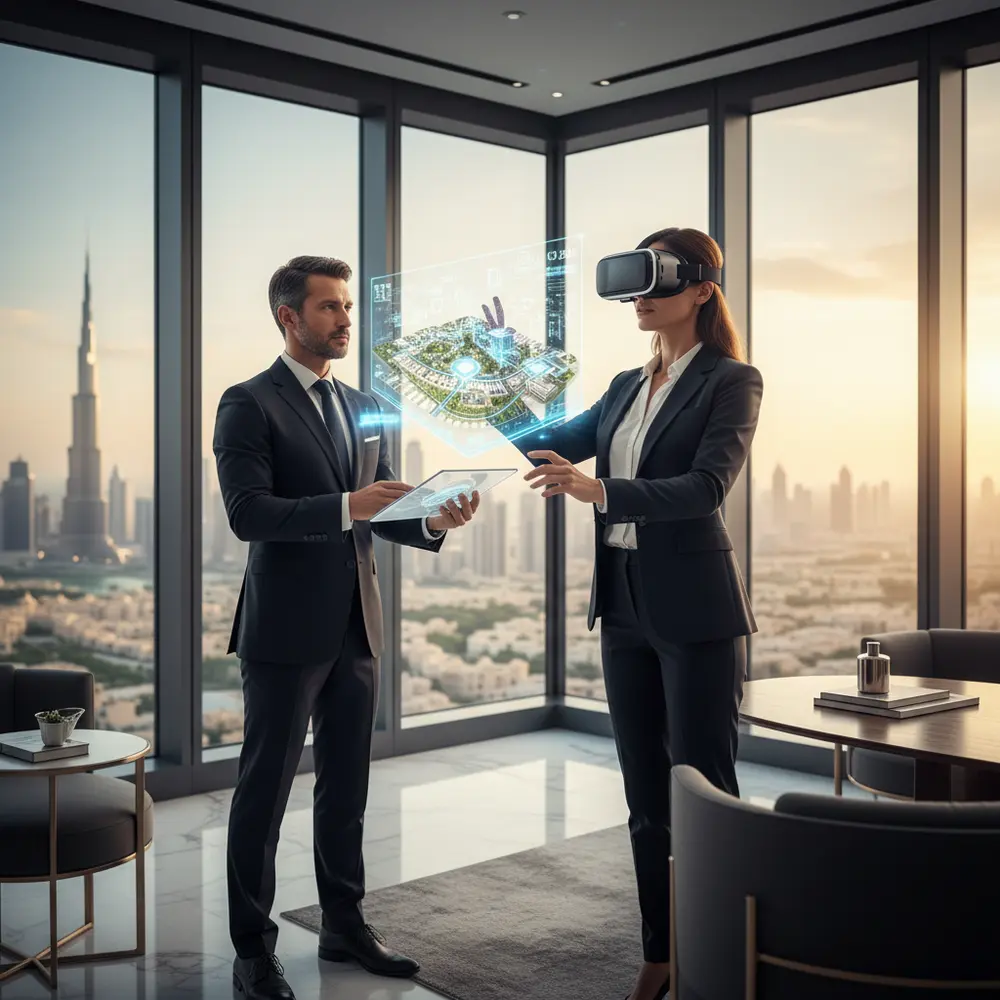
VR/AR Trends in UAE Real Estate Promotion.
VR/AR Trends in UAE Real Estate Promotion: Revolutionizing Property Marketing Across Dubai, Abu Dhabi, and Sharjah
The landscape of real estate promotion is undergoing a profound transformation, driven by technological advancements that are reshaping how properties are viewed, marketed, and sold. At the forefront of this evolution are Virtual Reality (VR) and Augmented Reality (AR) technologies. These immersive tools are no longer futuristic concepts but essential components of modern marketing strategies, particularly within the dynamic and forward-thinking real estate market of the United Arab Emirates. The UAE, with its ambitious development projects and tech-savvy population, has quickly embraced these innovations. From the glittering skyscrapers of Dubai to the cultural hubs of Abu Dhabi and the rapidly expanding communities of Sharjah, developers and real estate agencies are leveraging VR and AR to offer unparalleled experiences to prospective buyers and investors. This article delves into the burgeoning VR/AR Trends in UAE Real Estate Promotion, exploring their applications, benefits, and the exciting future they promise for property marketing in the region.
The Digital Revolution in UAE Real Estate Marketing
The United Arab Emirates has always been a beacon of innovation and growth, particularly in its real estate sector. Historically, property promotion relied on glossy brochures, elaborate showrooms, and guided tours. While effective for their time, these methods often presented logistical challenges, especially for international buyers or those with limited time. The advent of the internet brought about digital listings and photo galleries, a significant step forward, but still lacking the immersive experience that truly connects a buyer with a property. The unique demands of the UAE market, characterized by a significant expatriate population, luxury developments, and rapid construction, necessitated a more sophisticated approach. Developers in Dubai, Abu Dhabi, and Sharjah recognized early on the potential of emerging technologies to bridge geographical gaps and enhance property visualization. This foresight paved the way for a digital revolution, where technologies like VR and AR are not just supplementary tools but fundamental to showcasing the intricate details, luxurious finishes, and vibrant lifestyles associated with UAE properties. The push for smart cities and digital governance initiatives across the Emirates has further accelerated the adoption of these cutting-edge solutions, setting a global benchmark for real estate marketing excellence.
Virtual Reality (VR): Immersive Showcases and Remote Tours
Virtual Reality stands as a game-changer in the world of real estate, offering prospective buyers the ability to step inside a property long before it’s built or physically visited. In the context of UAE real estate promotion, VR applications are diverse and incredibly effective. Developers can create high-fidelity virtual tours of off-plan properties, allowing buyers to explore every room, admire the views, and even customize finishes and layouts using a VR headset. This is particularly advantageous in cities like Dubai and Abu Dhabi, where new developments are constantly emerging, and construction timelines can be extensive. Imagine sitting in London or New York and taking a guided virtual tour of a penthouse overlooking the Burj Khalifa or a luxury villa on Saadiyat Island, feeling the scale and ambiance as if you were truly there. This level of immersion significantly reduces the need for multiple physical viewings, saves time for both buyers and agents, and broadens the market reach to a global audience. VR also allows for the visualization of entire master-planned communities, showcasing amenities, infrastructure, and green spaces, providing a holistic understanding of the lifestyle on offer. The adoption of these VR/AR Trends in UAE Real Estate Promotion ensures that the region remains at the forefront of digital innovation in property marketing.
The Benefits of VR in Property Visualization
The advantages of integrating VR into real estate marketing are manifold. Firstly, it offers an unparalleled level of engagement. Unlike static images or videos, VR provides a sense of presence that fosters emotional connection, helping buyers envision themselves living in the space. Secondly, it offers immense convenience. International buyers can make informed decisions without the expense and time commitment of travel. This is crucial for the UAE market, which attracts investors from across the globe. Thirdly, VR tours are accessible 24/7, allowing potential clients to explore properties at their leisure, regardless of time zones or office hours. This constant accessibility contributes to a more efficient sales cycle. Furthermore, for properties under construction, VR eliminates the guesswork, presenting a clear and accurate depiction of the final product, which builds trust and confidence among buyers. For large-scale projects, VR can showcase future infrastructure and amenities, painting a comprehensive picture of the envisioned community. Artsun advertising agency understands the power of these immersive experiences and works with developers to craft compelling VR narratives that captivate and convert.
Augmented Reality (AR): Enhancing Physical Spaces and Information Access
While VR transports users to an entirely virtual world, Augmented Reality overlays digital information onto the real world, enhancing our perception of physical spaces. AR complements VR beautifully in real estate promotion by providing interactive and informative experiences that merge the digital and physical. In the UAE, AR is finding innovative applications in showcasing properties. Imagine visiting a construction site in Sharjah and using your smartphone or tablet to see a 3D overlay of the completed building, complete with landscaping and interior design elements, right on your screen. Or, walking through an unfurnished apartment and using an AR app to visualize different furniture layouts and decor styles in real-time. AR-powered brochures can come alive with interactive 3D models of floor plans, or provide instant access to property specifications, pricing, and virtual tours by simply scanning an image. This immediate, contextual information enriches the viewing experience, making it more dynamic and personalized. These AR applications are revolutionizing site visits and open houses, offering a deeper layer of engagement that traditional methods simply cannot match. The strategic deployment of AR is a testament to the sophistication of VR/AR Trends in UAE Real Estate Promotion.
Practical AR Applications in UAE Property Marketing
The practical uses of AR in the UAE real estate sector are growing. One popular application involves interactive property signs: potential buyers can scan a QR code or an image on a “For Sale” sign with their phone to instantly access detailed property information, high-resolution photos, drone footage, and virtual tours. This transforms a static sign into an engaging digital gateway. Another powerful use case is in real estate exhibitions and sales centres, prevalent in Dubai and Abu Dhabi. AR apps can allow visitors to interact with scale models of developments, viewing various units, amenities, and even simulating day-night cycles or traffic flows. For interior design, AR furniture placement apps allow buyers to “try out” different furniture pieces in an empty property, helping them visualize how their belongings would fit and enhance the space. This significantly aids in decision-making and personalization. Furthermore, construction companies can use AR on-site to overlay blueprints onto physical structures, ensuring accuracy and providing stakeholders with a clear visualization of progress. For a deeper dive into innovative advertising solutions, visit Artsun advertising agency’s website at https://artsunstudio.com.
Key Drivers for VR/AR Adoption in UAE Real Estate
Several factors converge to make the UAE a fertile ground for the rapid adoption of VR/AR Trends in UAE Real Estate Promotion. Firstly, the UAE government’s strong commitment to digital transformation and smart city initiatives provides a supportive ecosystem for technological innovation. Cities like Dubai and Abu Dhabi are actively investing in infrastructure and policies that encourage the use of advanced technologies across all sectors, including real estate. This top-down support creates an environment where developers are incentivized to explore cutting-edge solutions. Secondly, the sophisticated and demanding nature of the UAE real estate market plays a significant role. With a high concentration of luxury properties and international investors, developers constantly seek ways to differentiate their offerings and provide premium experiences. VR and AR deliver this exclusivity and sophistication. Thirdly, the UAE’s position as a global tourism and business hub means a substantial portion of potential buyers are international, often unable to visit properties in person. VR/AR effectively bridges this geographical divide, expanding market reach significantly. Lastly, the region’s youthful and tech-savvy population is quick to adopt new digital tools, making the target audience receptive to immersive marketing experiences. These powerful drivers ensure that the UAE remains a leader in leveraging technology for real estate success.
Government Vision and Market Demands
The vision of the UAE leadership, particularly in Dubai and Abu Dhabi, to become global innovation hubs, is a critical enabler. Initiatives like the Dubai Future Foundation and various smart government programs actively encourage the integration of AI, VR, and AR into daily life and business operations. This forward-thinking approach provides a competitive edge for real estate developers who embrace these technologies. Moreover, the fierce competition within the UAE real estate market, especially in prime locations, compels developers to continuously innovate their marketing strategies. Offering VR tours or AR experiences isn’t just a gimmick; it’s becoming a standard expectation for high-end properties and major developments. Buyers, accustomed to seamless digital experiences in other aspects of their lives, demand similar sophistication when making significant investments in property. This blend of governmental support and market-driven necessity is fueling the widespread adoption of VR/AR Trends in UAE Real Estate Promotion. For businesses looking to enhance their digital presence and embrace cutting-edge digital marketing, exploring resources on https://artsunstudio.com can provide valuable insights.
Impact on Buyers and Developers: A Win-Win Scenario
The integration of VR/AR Trends in UAE Real Estate Promotion creates a symbiotic relationship, delivering substantial benefits for both buyers and developers. For buyers, the advantages are transformative. They gain unprecedented access to properties, regardless of their physical location, allowing for more informed and confident decision-making. The ability to virtually walk through spaces, customize layouts, and visualize the future of a property reduces uncertainty and buyer’s remorse. This enhanced transparency and engagement simplify the purchasing journey, particularly for those investing from abroad in cities like Dubai or Abu Dhabi. For developers, the benefits are equally compelling. VR and AR significantly expand their reach, attracting a wider pool of international investors and high-net-worth individuals. These technologies streamline the sales process, reducing the need for expensive physical show homes and minimizing operational costs associated with traditional viewings. They accelerate sales cycles, especially for off-plan properties, by allowing pre-sales to commence much earlier with tangible virtual representations. Furthermore, VR/AR tools provide a powerful differentiator in a competitive market, enhancing brand reputation as an innovator and leader. This creates a highly efficient, engaging, and globalized real estate market, benefiting all stakeholders involved.
Streamlining the Sales Process and Enhancing Customer Experience
One of the most significant impacts of VR/AR in real estate is the dramatic streamlining of the sales process. Developers can showcase multiple property types and configurations in a single virtual setting, without the logistical nightmare of preparing numerous physical units. This efficiency is paramount in fast-paced markets like the UAE. Agents can conduct virtual open houses, hosting multiple prospective buyers simultaneously from different locations, answering questions and guiding them through the virtual space. This significantly reduces the time and resources typically spent on individual viewings. From the buyer’s perspective, the enhanced customer experience translates into greater satisfaction. They feel more empowered, having thoroughly explored a property from every angle and customized it to their preferences, often before construction has even finished. This level of personalized interaction fosters trust and strengthens the developer-client relationship. The ability to visualize the end product in vivid detail gives buyers peace of mind. For comprehensive support in media planning and execution, visit https://artsunstudio.com.
Challenges and Opportunities in Implementing VR/AR
While the potential of VR/AR Trends in UAE Real Estate Promotion is immense, their widespread implementation is not without challenges. One primary hurdle is the initial investment cost. Developing high-quality VR tours and AR applications requires specialized expertise, sophisticated software, and powerful hardware, which can be a significant upfront expense for developers and agencies. The creation of photorealistic 3D models and immersive environments demands skilled artists and technologists, contributing to these costs. Another challenge lies in content creation and quality. A poor-quality VR experience can be more detrimental than no VR at all, leading to buyer disappointment. Ensuring accuracy, realism, and a seamless user experience is crucial. Furthermore, the rapid pace of technological change means that solutions can quickly become outdated, requiring continuous updates and reinvestment. Despite these challenges, the opportunities far outweigh the difficulties. The declining cost of VR headsets and AR-enabled smartphones is making these technologies more accessible. The increasing availability of skilled professionals and specialized agencies focused on immersive content creation is easing the development burden. The opportunity to set new standards in property marketing, attract a global clientele, and achieve faster sales cycles makes the investment in VR/AR an increasingly compelling proposition for UAE developers.
Navigating the Future of Digital Property Showcases
To fully capitalize on the opportunities presented by VR/AR, the UAE real estate sector must address these challenges proactively. This involves strategic partnerships with technology providers and creative agencies specializing in immersive content. Investing in robust infrastructure and staying abreast of the latest advancements in VR/AR hardware and software will be key. Training sales teams to effectively utilize and demonstrate these technologies is also crucial to maximizing their impact. The future holds even more exciting possibilities, with advancements in haptic feedback, allowing users to “feel” textures, and integration with AI for personalized virtual guides. Imagine an AI-powered virtual agent tailoring a VR tour based on your expressed preferences. The continuous evolution of these technologies will further refine the immersive experience, making it even more indistinguishable from reality. The proactive engagement with these emerging technologies positions developers in Dubai, Abu Dhabi, and Sharjah to lead the global real estate market. For expert guidance on creative brand strategies, explore https://artsunstudio.com.
The Future Landscape of Property Promotion in Dubai, Abu Dhabi, and Sharjah
The future of property promotion in the UAE is undeniably digital and immersive. The VR/AR Trends in UAE Real Estate Promotion are not fleeting fads but fundamental shifts that will continue to evolve and become even more integrated into the fabric of the industry. We can expect to see widespread adoption of VR/AR as standard practice for any significant real estate launch across Dubai, Abu Dhabi, and Sharjah. Future innovations might include multi-user VR experiences, allowing families or investors from different locations to tour a property together virtually, interacting with each other and a virtual agent in real-time. The integration of blockchain technology could also enhance transparency and security in virtual property transactions. Smart contracts facilitated by virtual viewings could become commonplace. Furthermore, as 5G networks become more ubiquitous, the quality and speed of streaming high-fidelity VR/AR content will dramatically improve, leading to even more seamless and realistic experiences. The UAE’s commitment to technological leadership, coupled with its booming real estate market, positions it perfectly to be a global pioneer in leveraging these technologies to create unparalleled buying and selling experiences. The proactive adoption of these technologies ensures that the UAE real estate market remains dynamic, accessible, and globally competitive.
Sustainable and Smart Real Estate through VR/AR
Beyond sales and marketing, VR/AR also holds potential for promoting sustainable and smart living concepts within UAE real estate. Developers can use these tools to showcase energy-efficient features, smart home automation systems, and environmentally friendly designs in an interactive way. Buyers can visualize the long-term benefits of sustainable properties, seeing projected energy savings or experiencing the comfort of climate-controlled environments through virtual simulations. This aligns perfectly with the UAE’s broader vision for sustainability and smart city development. Moreover, VR/AR can be utilized for urban planning, allowing citizens and stakeholders to visualize future developments and provide feedback, fostering a more inclusive and community-centric approach to growth in cities like Sharjah. The continuous evolution of VR/AR Trends in UAE Real Estate Promotion will not only revolutionize how properties are sold but also how they are designed, built, and ultimately experienced, leading to more sustainable, efficient, and intelligent urban environments. To learn about digital transformation services that can help your business adapt to future trends, visit https://artsunstudio.com.
Frequently Asked Questions (FAQ)
Q1: What is the primary benefit of VR/AR in UAE real estate for international buyers?
A1: The primary benefit for international buyers is the ability to conduct immersive virtual tours of properties in Dubai, Abu Dhabi, and Sharjah from anywhere in the world, at any time. This eliminates the need for expensive and time-consuming travel, allowing them to make informed decisions and even finalize purchases without a physical visit, significantly broadening market access and convenience.
Q2: Are VR/AR technologies only for luxury properties in the UAE?
A2: While VR/AR initially saw widespread adoption in the luxury segment and large-scale developments due to higher budgets and the need for sophisticated showcasing, these technologies are becoming increasingly accessible and cost-effective. Developers across various segments in Dubai, Abu Dhabi, and Sharjah are now integrating VR/AR to enhance marketing for mid-range properties and even rentals, making immersive experiences more mainstream.
Q3: What are the main challenges for developers adopting VR/AR in UAE real estate?
A3: The main challenges include the initial investment cost for creating high-quality VR/AR content and applications, ensuring the realism and accuracy of virtual representations, and the need to keep up with rapidly evolving technology. Additionally, educating sales teams on how to effectively utilize these tools and integrate them into their sales funnel can also be a challenge.
Q4: How does AR differ from VR in real estate promotion?
A4: VR (Virtual Reality) creates a completely immersive, simulated environment, transporting the user into a virtual space (e.g., a virtual property tour). AR (Augmented Reality), on the other hand, overlays digital information or 3D models onto the real-world view through a device like a smartphone or tablet (e.g., visualizing furniture in an empty room, or seeing a 3D model of a building on a construction site).
Conclusion
The VR/AR Trends in UAE Real Estate Promotion represent a pivotal shift in how properties are marketed, viewed, and ultimately sold. From the bustling metropolis of Dubai to the cultural heart of Abu Dhabi and the rapidly developing emirate of Sharjah, these immersive technologies are reshaping the entire property lifecycle. They offer unparalleled engagement and accessibility for buyers, while providing developers with powerful tools to streamline sales, expand market reach, and enhance brand reputation. Despite certain implementation challenges, the benefits of VR and AR in the UAE’s forward-thinking real estate market are undeniable and continue to drive innovation. As technology advances and adoption becomes more widespread, we can anticipate even more sophisticated and integrated experiences, further solidifying the UAE’s position as a global leader in real estate innovation. The future of property promotion is undoubtedly digital, immersive, and incredibly exciting. Embrace these advancements to stay ahead in the competitive landscape.
Ready to revolutionize your real estate marketing with cutting-edge VR/AR solutions? Contact us today to discover how immersive technologies can transform your property promotions and captivate your audience across Dubai, Abu Dhabi, and Sharjah.

