11 Best Graphic Design Tools for Professionals in 2026


11 Best Graphic Design Tools for Professionals in 2026

The landscape of visual communication is shifting at an unprecedented pace. As we navigate through 2026, the intersection of artificial intelligence, immersive 3D environments, and traditional aesthetics has redefined what it means to be a creative professional. For designers working within the competitive UAE landscape, staying ahead of the curve is not just an advantage—it is a necessity. Whether you are catering to the luxury markets of Dubai or the cultural hubs of Sharjah, the software you choose dictates the efficiency and quality of your output. In this comprehensive guide, we explore the 11 Best Graphic Design Tools for Professionals in 2026, ensuring you have the technical arsenal required to dominate the digital marketing in UAE space.

The creative industry in the Middle East has become a global benchmark for innovation. With massive urban developments and a thriving startup ecosystem, the demand for high-tier visual assets has skyrocketed. To meet these expectations, professionals are moving away from static tools and embracing platforms that offer generative capabilities, real-time collaboration, and cross-medium versatility. Finding the right balance between automation and manual precision is the hallmark of a senior designer in today’s market. By leveraging the latest software, UAE companies can ensure their branding resonates with a global audience while maintaining local relevance.

The Evolution of Graphic Design in the UAE Market

In 2026, the UAE has solidified its position as a global design capital. Dubai businesses are no longer looking for simple graphics; they require immersive brand experiences that span across augmented reality, social media, and physical installations. The Abu Dhabi market has also seen a surge in demand for sophisticated visual storytelling that reflects both heritage and future-facing vision. This evolution has forced designers to adopt tools that can handle complex workflows, from vector manipulation to high-fidelity 3D prototyping.

Furthermore, the focus on sustainability and digital-first strategies has influenced the toolsets used by Sharjah brands. Designers are now prioritizing lightweight, cloud-based solutions that allow for seamless handovers and rapid iterations. The integration of AI within these tools has shifted the designer’s role from a mere executor to a director of technology. As we look at the top software choices for the year, it is clear that the ability to integrate diverse media types is what separates the best from the rest. For those looking for comprehensive advertising services in the UAE, understanding these tools is the first step toward visual excellence.

1. Adobe Creative Cloud 2026 (The AI-Powered Suite)

Adobe continues to lead the industry by fully integrating its Firefly AI model across its entire ecosystem. In 2026, Photoshop and Illustrator are no longer just editing tools; they are co-creation platforms. Professionals can now generate complex textures, expand canvases with context-aware precision, and automate repetitive masking tasks in seconds. For a designer working on a high-stakes campaign in Dubai, the ability to rapidly prototype concepts using text-to-image prompts within the app is a game-changer. The 2026 version also features enhanced cloud collaboration, allowing teams across different emirates to work on the same high-resolution file without latency.

2. Figma (The Collaborative Masterpiece)

Figma remains the undisputed king of UI/UX and collaborative design. In 2026, it has expanded its features to include advanced motion design and “Dev-Mode” improvements that make the transition from design to code almost instantaneous. For Sharjah brands looking to refresh their digital presence, Figma provides a centralized hub where stakeholders can leave feedback in real-time. Its robust plugin ecosystem now includes AI assistants that can suggest layout improvements based on user behavior data, making it an essential tool for digital marketing in UAE.

3. Affinity Designer 3 (The High-Performance Alternative)

Affinity Designer has gained significant market share by offering a subscription-free model that does not compromise on power. Version 3 brings specialized tools for tablet users, making it the preferred choice for illustrators who need to work on the go between Abu Dhabi and Dubai. Its ability to switch between vector and raster workspaces seamlessly allows for incredible flexibility. Many UAE companies are turning to Affinity to avoid the rising costs of monthly subscriptions while still accessing professional-grade features like 1,000,000% zoom and advanced typography controls.

The Rise of Vector Precision in Branding

In a market as saturated as the UAE, brand identity must be sharp and scalable. This is why tools that offer superior vector control are prioritized. When a business invests in professional logo design services, the expectation is a mark that looks perfect on a business card and equally stunning on a skyscraper in the Marina. Affinity Designer 3 excels in this precision, ensuring that every curve and anchor point is mathematically perfect for high-resolution printing.

4. Blender 4.5 (The 3D Essential)

3D is no longer an “extra” skill; it is a core requirement for designers in 2026. Blender has evolved into a powerhouse that rivals expensive industry standards. With its improved Cycles rendering engine, designers can create photorealistic product mockups and architectural visualizations. Given the construction boom in the region, many professionals use Blender to provide 3D architectural rendering for real estate developers. Its open-source nature means a constant stream of community-driven updates, keeping it at the cutting edge of technology.

5. Midjourney v8 (Professional AI Art Generation)

While controversial at its inception, Midjourney has become a staple for mood boarding and asset generation. In 2026, v8 offers unprecedented control over character consistency and style replication. Designers use it to create unique, high-concept backgrounds and textures that would take days to paint manually. For Artsun advertising agency, tools like Midjourney serve as a springboard for creativity, allowing designers to visualize complex ideas for clients before moving into final production phases. The key in 2026 is using AI as a base and then refining the output with professional software.

6. CorelDRAW Graphics Suite 2026

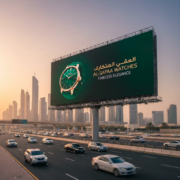
CorelDRAW remains a favorite for professionals in the manufacturing and signage industries. In the UAE, where outdoor advertising is massive, this tool is vital. Its specialized tools for large-format printing make it the go-to for billboard design in Dubai. The 2026 suite includes improved color management systems that ensure what you see on your calibrated screen is exactly what gets printed on the vinyl, preventing costly errors in large-scale productions.

7. Procreate Dreams

Following the massive success of the original Procreate, Procreate Dreams has revolutionized 2D animation on the iPad. For social media managers and content creators in the Abu Dhabi market, the ability to create hand-drawn animations with 2D-to-3D depth is invaluable. It allows for a more “human” feel in an age where everything is becoming overly digital. Professional designers use it to add flair to Instagram stories and TikTok content for major Sharjah brands.

8. Canva Enterprise (For Scalable Branding)

Canva is no longer just for beginners. The Enterprise version in 2026 allows professional design leads to set strict brand kits that ensure consistency across an entire organization. For large UAE companies with hundreds of employees, Canva Enterprise provides a safe environment where non-designers can create basic assets without breaking the brand guidelines. This frees up the senior design team to focus on more complex creative tasks while maintaining a cohesive visual identity across all departments.

Efficiency in Print Media Production

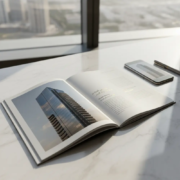
Despite the digital shift, physical catalogs and menus remain crucial for the hospitality and retail sectors in the UAE. To handle these multi-page documents, professionals rely on tools that offer superior layout management. When executing high-quality catalog design, the integration of data-driven layouts and automated pagination is essential. Tools like InDesign (part of Adobe CC) and Canva Enterprise have bridged the gap between complex typesetting and user-friendly interfaces.

9. Sketch (The Mac-Native Standard)

Sketch continues to thrive by focusing on its core strength: a lightweight, native macOS experience. In 2026, it has doubled down on its prototyping capabilities and handoff tools. Many boutique design studios in Dubai prefer Sketch for its clean interface and focus on web design. Its “Smart Layout” feature has been updated to handle even more complex responsive components, making it a favorite for designers who specialize in high-end digital marketing in UAE.

10. Adobe Express (The Social Media Workhorse)

Adobe Express has matured into a professional-grade tool for rapid content creation. It leverages the power of Photoshop and Premiere in a simplified interface. For agencies managing multiple Sharjah brands, the ability to quickly resize a video for five different platforms while applying AI-driven color grading is a massive time-saver. It integrates perfectly with the main Creative Cloud, allowing designers to start a project on their desktop and finish it on their phone while commuting between Emirates.

11. DaVinci Resolve 19 (For Visual Designers)

As video content becomes the dominant form of communication, graphic designers are increasingly expected to handle motion and color grading. DaVinci Resolve is the industry standard for color, and its Fusion page allows for high-end motion graphics and VFX. Artsun advertising agency utilizes these capabilities to ensure that every frame of a commercial video is as visually stunning as a still print ad. Its neural engine in 2026 can automatically track objects and remove unwanted elements from footage, streamlining the workflow for busy professionals.

Choosing the Right Tool for the UAE Market

Selecting from the 11 Best Graphic Design Tools for Professionals in 2026 depends heavily on your niche. If you are focused on the tech-heavy Dubai businesses, Figma and Adobe CC are non-negotiable. If you are working with Sharjah’s traditional and educational institutions, tools that excel in print and layout might be more relevant. The common thread among all successful UAE designers is the ability to adapt. The market moves fast, and the tools you use should empower you to move even faster.

Furthermore, the cost of these tools is often offset by the productivity gains they provide. In the Abu Dhabi market, where project timelines are often tight and expectations are high, a tool that saves two hours of work a day is worth its weight in gold. Investing in the right software is an investment in your brand’s future and your career’s longevity in the region.

Why Professional Tools Matter for Dubai Businesses

In Dubai, where the visual aesthetic is often defined by luxury and cutting-edge technology, “good enough” is never sufficient. Dubai businesses compete on a global stage, and their marketing collateral must reflect that. Professional tools allow for a level of polish and sophistication that free or basic software simply cannot reach. From advanced color spaces like Rec. 2020 to intricate 3D depth maps, the technical requirements of modern advertising are immense.

Moreover, professional software ensures compatibility. When working with an Artsun advertising agency, having files in industry-standard formats ensures that the transition from design to production is flawless. This synergy between the designer’s toolset and the agency’s workflow is what leads to award-winning campaigns that drive ROI for clients across the UAE.

Integrating AI and Human Creativity in Abu Dhabi’s Creative Sector

Abu Dhabi has taken a unique approach to the creative economy, blending traditional art forms with futuristic technology. Designers in the capital are using the 11 Best Graphic Design Tools for Professionals in 2026 to push the boundaries of what is possible. The integration of AI has not replaced the artist; rather, it has removed the “grunt work.” This allows designers to spend more time on strategy and emotional resonance, which are critical for connecting with the diverse demographic of the Abu Dhabi market.

The local government’s support for digital transformation has also encouraged the adoption of these tools. From museum exhibits to public awareness campaigns, the quality of graphic design in Abu Dhabi has reached new heights. By mastering AI-driven tools, designers can produce a higher volume of high-quality work, meeting the growing needs of this burgeoning creative hub.

Future-Proofing Your Design Career in the UAE

As we look beyond 2026, the only constant is change. To remain a top-tier professional in the United Arab Emirates, you must commit to continuous learning. The 11 Best Graphic Design Tools for Professionals in 2026 mentioned here will likely have new updates and features by next year. Staying active in the design community, attending workshops in Dubai, and keeping an eye on global trends are all part of the job.

The rise of the “generalist specialist”—someone who has a deep understanding of one area (like typography) but can also navigate 3D and video tools—is a significant trend. By diversifying your skills across several of these top tools, you make yourself indispensable to UAE companies and digital marketing agencies alike. The future belongs to those who can master the machine to express human creativity.

Frequently Asked Questions

1. What is the most essential tool for a freelance designer in Dubai in 2026?

While it depends on your specialty, the Adobe Creative Cloud remains the most versatile and widely accepted suite in the Dubai market. It ensures you can handle everything from logo design to social media assets and video editing, making you a one-stop-shop for many clients.

2. Are free design tools enough for Sharjah brands?

Free tools like the basic version of Canva or GIMP can be useful for internal projects or small startups. However, for established Sharjah brands looking to compete seriously, professional tools are necessary to ensure brand consistency, high-resolution output, and advanced features like vector editing and custom typography.

3. How is AI changing graphic design for UAE companies?

AI is primarily used to speed up workflows. Tasks like background removal, image expansion, and color grading are now automated. This allows UAE companies to receive their marketing assets faster without sacrificing quality, though the human eye is still required for creative direction and cultural nuance.

4. Do I need a powerful computer to run these 2026 design tools?

Yes, especially for tools like Blender, DaVinci Resolve, and Adobe Creative Cloud. High-end graphic design, particularly in 3D and video, requires a machine with a strong GPU and at least 32GB of RAM to handle the 2026 software updates and high-resolution assets common in the UAE market.

Conclusion

The 11 Best Graphic Design Tools for Professionals in 2026 represent a peak in creative technology, offering a mix of AI efficiency, collaborative ease, and raw power. From the high-rises of Dubai to the cultural heart of Sharjah, these tools enable designers to translate vision into reality with stunning precision. Whether you are a solo freelancer or part of a large corporate team, mastering these platforms is essential for success in the modern UAE economy. By choosing the right software and staying updated on local trends, you can ensure your work remains relevant, impactful, and world-class. If you are ready to elevate your brand’s visual identity with expert help, the Artsun advertising agency is here to transform your ideas into iconic designs that dominate the Middle Eastern market.


7 Tips for the Best 3D Architectural Rendering Results


7 Tips for the Best 3D Architectural Rendering Results

In the rapidly evolving landscape of the United Arab Emirates, where architectural marvels rise from the desert sands almost overnight, the demand for high-quality visualization has never been greater. Whether you are a developer in Dubai, an architect in Abu Dhabi, or a designer catering to Sharjah brands, the ability to present a project before a single brick is laid is a vital competitive advantage. Creating a photorealistic image requires more than just high-end software; it demands an artistic eye and a strategic approach. This guide explores 7 Tips for the Best 3D Architectural Rendering Results to help you elevate your project presentations and secure stakeholder buy-in across the UAE market.

Visual communication is the cornerstone of modern real estate. For Dubai businesses, the “wow factor” is not just a luxury—it is a requirement to stand out in a global hub of innovation. High-quality rendering bridges the gap between technical blueprints and emotional connection, allowing potential investors to step inside a future space. To achieve this, one must balance technical precision with atmospheric storytelling. By following these 7 Tips for the Best 3D Architectural Rendering Results, you can ensure your digital assets are not just pictures, but powerful marketing tools that resonate with the sophisticated UAE audience.

1. Prioritize High-Quality Texturing and PBR Materials

The realism of a 3D render is often determined by the quality of its surfaces. Physically Based Rendering (PBR) materials are essential for achieving a lifelike look because they simulate how light interacts with different textures in the real world. For luxury projects in the UAE, where marble, polished chrome, and high-end glass are common, using low-resolution textures can immediately break the illusion of reality. You must ensure that every material—from the roughness of a concrete wall to the reflectivity of a skyscraper’s facade—is mapped with precision.

When selecting textures, aim for 4K resolution or higher. Pay close attention to maps such as displacement, normal, and specular maps. These technical layers add depth to a flat surface, making a brick wall look rugged or a wooden floor look naturally grained. In the context of 3D architectural rendering services, the difference between a mediocre image and a masterpiece often lies in these minute details. UAE companies frequently look for that tactile quality that makes a viewer want to reach out and touch the surface of the rendered building.

2. Master the Art of Natural and Artificial Lighting

Lighting is the most influential element in setting the mood of your architectural visualization. In the Middle East, the sun plays a central role in how buildings are perceived. To get the best 3D architectural rendering results, you should experiment with different times of day. A “Golden Hour” render, which mimics the soft, warm light of a Dubai sunset, can evoke feelings of luxury and serenity. Conversely, a midday sun can highlight the crisp lines and modern geometry of a Sharjah residential complex.

Don’t forget the importance of artificial lighting, especially for interior shots. Use IES (Illuminating Engineering Society) profiles to replicate the exact throw and intensity of real-world light fixtures. This is particularly important for retail spaces and hospitality projects in Abu Dhabi, where the lighting design is an integral part of the architecture. Balancing the cool blue light coming from the windows with the warm glow of interior lamps creates a dynamic contrast that adds depth and realism to your scene.

3. Focus on Realistic Context and Surroundings

One common mistake in architectural visualization is placing a beautifully designed building in a vacuum. To provide the best 3D architectural rendering results, you must ground your project in its actual environment. For projects located in the UAE, this means including local vegetation like date palms, accurately modeled sidewalks, and even the specific style of streetlights found in the area. Including recognizable elements of the Dubai skyline or the coastal vibes of Abu Dhabi helps the client visualize the project in situ.

Furthermore, adding “imperfections” to the environment can paradoxically make the image look more perfect. Real life isn’t sterile. Adding subtle details like a few fallen leaves, slight weathering on a curb, or realistic reflections in a puddle can significantly enhance the authenticity of the scene. When Artsun Studio approaches a project, the focus is always on creating a cohesive environment that tells a story rather than just showcasing a structure. This contextual depth is what separates a generic 3D model from a professional architectural presentation.

The Role of Local Flora in UAE Renderings

Using the correct plant species is a subtle but powerful way to show local expertise. Incorporating Ghaf trees or Desert Roses in a project for the Abu Dhabi market demonstrates a commitment to local culture and environmental accuracy. These details are highly appreciated by UAE developers who are increasingly focused on sustainable and region-specific designs. This level of detail is a core part of the 7 Tips for the Best 3D Architectural Rendering Results for anyone working within the Emirates.

4. Use Professional Camera Composition and Angles

Think like a photographer, not just a 3D modeler. The way you frame your shot can change the entire perception of a building’s scale and importance. For large-scale developments, a low-angle shot can make a tower look more imposing and majestic. For residential interiors, a human-eye-level camera creates a sense of intimacy and “livability.” Avoid using extreme wide-angle lenses that distort the architecture, as this can make the space feel unrealistic and confusing to the client.

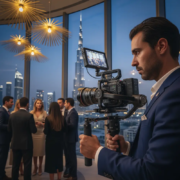
Compositional rules like the “Rule of Thirds” or “Leading Lines” should be applied to guide the viewer’s eye toward the focal point of the building. In the competitive digital marketing in UAE, attention spans are short. Your primary render needs to communicate the project’s main selling point within seconds. Whether it’s the grand entrance of a hotel or the sleek terrace of a penthouse, the camera placement should highlight the most unique features of the design. Utilizing architectural videography principles even in still shots can help you understand movement and flow better.

5. Incorporate High-Quality 3D Assets and “Entourage”

The furniture, vehicles, and people you place in your scene—collectively known as the entourage—must match the quality of the building itself. If you are rendering a luxury villa in Emirates Hills, the cars in the driveway should be high-end models, and the interior furniture should reflect current design trends. Using low-poly or outdated 3D assets can instantly cheapen the look of your entire project. For the best 3D architectural rendering results, invest in premium asset libraries that offer high-detail models.

People add life and scale to a render. However, they must be used carefully. “Ghosted” or blurred people can show movement without distracting from the architecture, while realistic 3D scanned people can make a commercial plaza feel vibrant and successful. For UAE companies, showing a diverse and active population in the renders helps illustrate the social impact of the development. This is why Artsun advertising agency emphasizes the use of high-quality assets to ensure that every frame tells a compelling human story.

6. Leverage Advanced Post-Processing Techniques

The rendering engine gets you 90% of the way there, but the final 10% happens in post-production. Software like Adobe Photoshop or After Effects allows you to fine-tune colors, adjust contrast, and add atmospheric effects like bloom, glare, or light fog. Post-processing is where you can unify the color palette of your image, ensuring that it aligns with the branding of the project. This is a critical step in the 7 Tips for the Best 3D Architectural Rendering Results because it gives you artistic control over the final output.

In addition to color grading, you can use post-processing to add subtle lens effects like chromatic aberration or film grain, which mimic the look of a real camera lens. For those looking to take their presentation to the next level, integrating high-end CGI and VFX can allow for more complex visual storytelling. This is particularly effective for large-scale urban planning projects in Dubai where you might want to show the transition from day to night or simulate weather changes.

7. Choose the Right Rendering Engine for Your Needs

Not all rendering engines are created equal. Depending on your project requirements—speed, realism, or interactivity—you might choose V-Ray, Corona, Lumion, or Unreal Engine. For hyper-realistic still images, Corona and V-Ray remain industry standards. However, if you are looking to create a 3D architectural animation, real-time engines like Unreal Engine 5 are becoming increasingly popular due to their speed and visual fidelity.

Working with a professional Artsun advertising agency ensures that the right tools are used for the specific goals of your campaign. Each engine has its strengths, and knowing how to push the settings to achieve maximum realism is a skill that comes with years of experience. For Dubai businesses that require fast turnarounds without sacrificing quality, knowing when to use real-time rendering versus traditional path-tracing is essential. This technical decision-edge is a primary factor in obtaining the best 3D architectural rendering results.

Key Comparison: Still Renders vs. Animations

While still renders are perfect for brochures and billboards, animations provide a cinematic experience that can be used on social media and in sales centers. UAE developers often use a combination of both. Still images provide the detail, while animations provide the context and emotional journey of moving through the space. Both formats benefit from the same 7 Tips for the Best 3D Architectural Rendering Results, particularly regarding lighting and material quality.

The Impact of 3D Visualization on UAE Real Estate

The real estate market in the UAE is one of the most dynamic in the world. Projects like the expansion of Dubai South or the new cultural districts in Abu Dhabi rely heavily on visual storytelling to attract global investment. High-quality 3D renders are used in everything from government approvals to international marketing campaigns. By implementing these tips, you ensure your project is viewed as a serious, high-value prospect.

Beyond just looking good, these renders serve as a tool for error detection. Seeing a building in 3D allows architects and clients to identify design flaws or material conflicts before construction begins, saving millions of dirhams in potential rework. For a marketing agency in Dubai, providing these visual assets is about offering a complete solution that covers both the aesthetic and practical needs of the client. The investment in high-end visualization always pays off in the speed of sales and the clarity of communication.

Frequently Asked Questions

How long does it take to produce a high-quality 3D architectural render?

The timeline varies depending on the complexity of the project. A single high-quality interior render might take 3 to 5 days, including modeling, texturing, and lighting. Large-scale exterior projects or animations can take several weeks. To achieve the best 3D architectural rendering results, it is important not to rush the process, as the final details often take the most time.

What software is best for 3D architectural rendering in the UAE?

Most professional studios in Dubai and Abu Dhabi use a combination of 3ds Max with V-Ray or Corona for still images. For interactive walkthroughs and animations, Unreal Engine is the leading choice. The “best” software is the one that fits your specific workflow and the level of realism required by your client.

Why are my 3D renders not looking realistic?

Lack of realism usually stems from flat lighting, low-quality textures, or perfectly straight lines. Real life is full of subtle imperfections and complex light bounces. Ensure you are using PBR materials, IES light profiles, and adding a bit of “chaos” or natural detail to your scene to improve authenticity.

Can 3D rendering help with government approvals in Dubai?

Yes, 3D renders are often a required part of the submission process for various UAE municipal authorities. They help officials understand how a new building will fit into the existing urban fabric and ensure it complies with local aesthetic and zoning regulations.

Conclusion

Mastering architectural visualization is a journey of continuous learning and refinement. By focusing on the 7 Tips for the Best 3D Architectural Rendering Results—ranging from the technicality of PBR materials to the artistry of camera composition—you can create images that do more than just represent a building; they sell a lifestyle. In a market as competitive as the UAE, where excellence is the standard, your visual assets must be impeccable.

Whether you are a startup looking to make your mark or an established developer, partnering with a professional Artsun advertising agency can provide the expertise needed to turn your architectural visions into reality. High-quality rendering is an investment in your project’s future, ensuring it captures the attention of the Dubai market and beyond. Ready to elevate your project with world-class visualization? Contact us today to see how our team can bring your architectural concepts to life with stunning clarity and realism.