
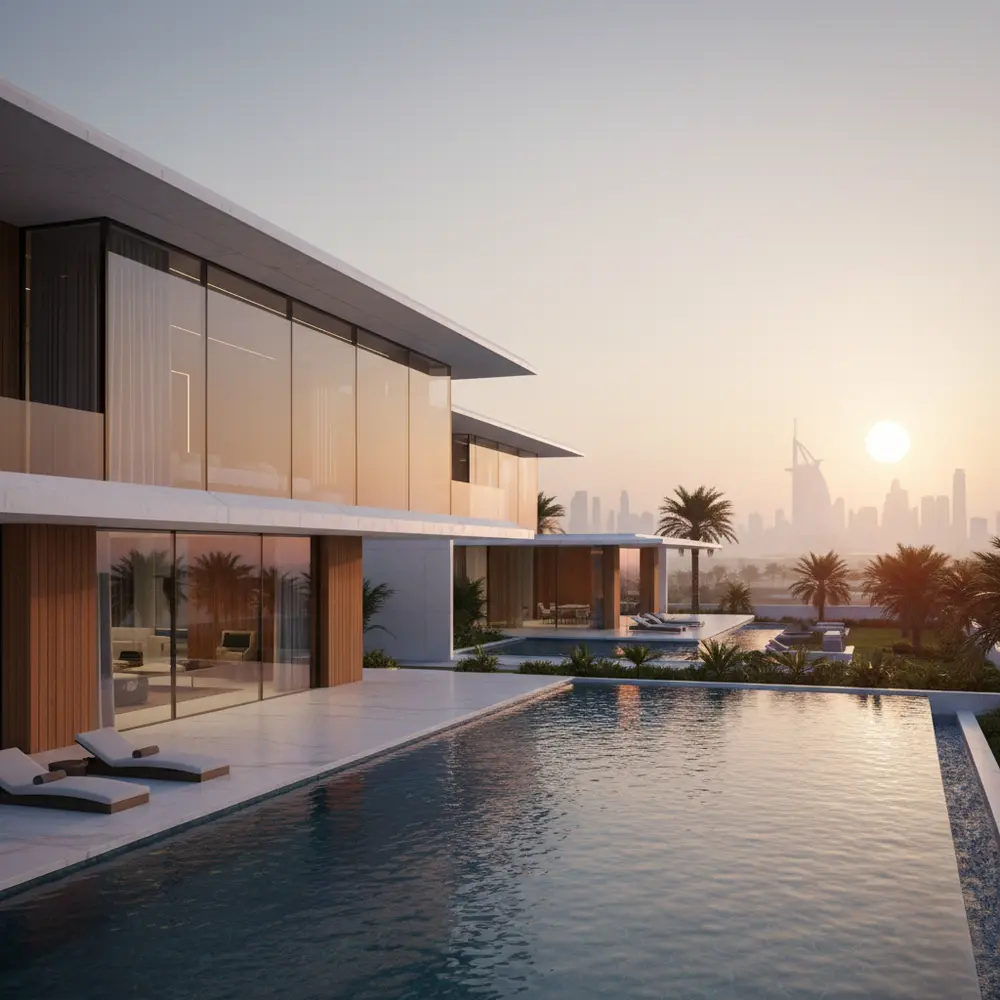
How to Master Best 3D Architectural Animations in 30 Days
How to Master Best 3D Architectural Animations in 30 Days
The skyline of Dubai is a testament to human ingenuity and the power of architectural visualization. In a region where the “next big thing” is always under construction, the ability to create stunning, photorealistic 3D architectural animations is not just a skill—it is a superpower for architects, real estate developers, and digital artists. Mastering this craft in a short period requires a blend of technical discipline, artistic intuition, and a deep understanding of the UAE market. Whether you are aiming to work with major Dubai businesses or establish your name among Abu Dhabi’s elite developers, a 30-day intensive roadmap can set the foundation for your success.
3D architectural animation serves as a bridge between a blueprint and reality. In the United Arab Emirates, where luxury and innovation are the standard, static images often fall short of conveying the true essence of a project. Clients today expect immersive walkthroughs and cinematic fly-throughs that evoke emotion and showcase a lifestyle. By committing to an accelerated learning path, you can transition from a beginner to a proficient animator, ready to tackle the demands of digital marketing in UAE. This guide will walk you through the essential phases of mastering architectural animation, focusing on industry-standard tools and local market expectations.
The Foundations: Understanding the 3D Animation Workflow
Before diving into complex software, one must understand the pipeline of a professional 3D project. The process is generally divided into three major stages: pre-production, production, and post-production. In the pre-production phase, you define the scope of the project, gather references, and create a storyboard. For projects involving Sharjah brands or iconic landmarks in Dubai, reference imagery is crucial to ensure that the materials and environment reflect the unique aesthetic of the region.
The production phase is where the heavy lifting happens. This includes 3D modeling, texturing, lighting, and the actual animation of cameras and objects. Mastering the tools of the trade—such as 3ds Max, Blender, or Unreal Engine—is vital. Many top-tier Artsun advertising agency professionals emphasize that the secret to a great animation lies in the details of the environment. In the final stage, post-production, you refine the output using software like Adobe After Effects or DaVinci Resolve, adding color grading and sound effects to make the animation truly professional.
Choosing the Right Software Stack
For those looking to enter the professional world of 3D in the UAE, software choice is critical. 3ds Max paired with V-Ray or Corona Renderer remains the industry standard for high-end photorealistic 3D architectural rendering. However, real-time engines like Unreal Engine 5 are gaining massive traction due to their ability to produce high-quality animations in a fraction of the time. If you are starting from scratch, Blender offers a powerful, free alternative that covers the entire pipeline. Regardless of the tool, the principles of light, shadow, and composition remain the same.
Week 1: Mastering Modeling and Composition
The first seven days of your journey should be dedicated exclusively to the geometry of your scene. Architectural modeling is different from character modeling; it requires precision and an eye for scale. Start by learning how to import CAD files or floor plans. Accuracy is paramount, especially when working on projects for UAE companies that demand technical perfection. Focus on creating clean topology for walls, windows, and structural elements.
Once you can build the bones of a structure, move on to interior assets. Learn how to model furniture or, more realistically for a 30-day timeline, how to curate and optimize high-quality 3D assets. Composition is the next hurdle. Understanding the “Rule of Thirds” and “Leading Lines” will help you position your virtual cameras in a way that highlights the best features of the building. In the competitive Abu Dhabi market, a well-composed shot can be the difference between a project being approved or ignored.
By the end of the first week, you should be able to create a complete, untextured architectural scene. This is a crucial step before you start worrying about colors or lights. Remember that a solid foundation in modeling ensures that your lighting behaves realistically in the later stages of the workflow.
Week 2: Lighting, Materials, and the UAE Atmosphere
During the second week, your focus shifts to the visual “mood” of the animation. Lighting is perhaps the most important element in 3D architectural work. To master high-end 3D architectural animation, you must learn how to replicate natural light. In the UAE, the sun has a specific intensity and color temperature that artists must capture. Whether it is the golden hour glow over the Dubai Marina or the crisp midday light in a Sharjah desert development, your lighting must feel authentic to the location.
Material creation (shading) goes hand-in-hand with lighting. You need to learn how to create Physically Based Rendering (PBR) materials. This involves understanding maps for reflection, glossiness, and displacement. A marble floor in a luxury Abu Dhabi villa should reflect light differently than a concrete wall in an industrial zone. Pay close attention to imperfections—dust, slight scratches, and varied textures—as these are the elements that move an animation from “digital” to “real.”
Experiment with different lighting setups: HDRI environments for realistic skies, and artificial lights (IES profiles) for interior scenes. By day 14, you should have a scene that looks like a photograph when rendered as a single frame. This mastery of the static image is a prerequisite for successful animation.
Week 3: Camera Movement and Animation Techniques
The third week is where the “magic” happens. Animation in architecture isn’t about moving the buildings; it’s about moving the viewer through the space. You will learn about camera paths, focal lengths, and depth of field. A common mistake beginners make is moving the camera too fast or using jerky movements. Professional professional video production services in Dubai prioritize smooth, cinematic sweeps that allow the viewer to absorb the details.
Beyond the camera, you should animate environmental elements to bring the scene to life. This could be the gentle swaying of palm trees, the movement of water in a swimming pool, or the shifting shadows as the sun moves across the sky. These subtle details are what differentiate a standard video from a premium production produced by a leading Artsun advertising agency. In the context of digital marketing in UAE, these lifelike touches help potential buyers “feel” the space before it is even built.
Practice different shot types: the wide establishing shot, the medium tracking shot, and the close-up detail shot. Mastering these will give you the footage needed to create a compelling edit. By the end of this week, you should have several animated sequences ready for the final stage.
Week 4: Rendering, Post-Production, and Portfolio Building
The final week is dedicated to the technical process of rendering and the creative process of editing. Rendering an animation can be time-consuming, as you are essentially rendering 24 to 30 individual frames for every second of video. Learn how to optimize your render settings to balance quality and speed. For many Dubai businesses, time is money, so knowing how to use render farms or GPU-based rendering is a valuable skill.
Once your frames are rendered, you move into post-production. This is where you correct colors, add lens flares, and overlay background music or voiceovers. Use this time to also learn about CGI and VFX video production techniques, such as adding 2D people (entourage) or blending digital renders with real-world drone footage. This hybrid approach is highly sought after in the UAE real estate market.
The last few days of the month should be spent assembling your best work into a showreel. A 30-second to 1-minute reel showing your progression is more effective than a long, mediocre video. Showcase your ability to handle different lighting conditions and architectural styles, from modern Sharjah brands’ offices to luxury Abu Dhabi residential towers. To learn more about how a professional studio handles these tasks, visit a full-service digital agency in Dubai to see high-level examples.
Why 3D Animation is Vital for the UAE Market
The UAE is home to some of the most ambitious construction projects in the world. From the Palm Jumeirah to the Saadiyat Cultural District, the scale of development is staggering. In such a high-stakes environment, 3D architectural animation is a critical tool for communication. It allows developers to secure funding, government bodies to approve designs, and marketing teams to sell units off-plan. For anyone looking to provide Artsun Studio website services or freelance expertise, understanding the local context is key.
The Abu Dhabi market, for instance, often focuses on sustainable and culturally integrated designs. Your animations should reflect these values through realistic landscaping and lighting that highlights traditional architectural elements. Meanwhile, the Dubai market often leans toward the futuristic and the spectacular, requiring high-energy, fast-paced visuals. By mastering these nuances, you position yourself as more than just a technician; you become a visual storyteller for the region’s growth.
The Role of Digital Marketing in UAE
Animations are no longer just for boardroom presentations; they are the backbone of social media campaigns. Instagram, TikTok, and YouTube are primary channels for real estate lead generation in the Emirates. Short, “snackable” 3D loops are incredibly effective for grabbing attention. As you master the technical side of 3D, keep in mind how your work will be consumed. High-definition, vertically oriented renders are now just as important as traditional widescreen formats for capturing the mobile-first audience of the UAE.
Hardware Requirements for 3D Success
To master these skills in 30 days, you need the right hardware. 3D animation is resource-intensive. A high-end GPU (Graphics Processing Unit) is essential, especially if you are working with real-time engines. At least 32GB of RAM and a multi-core processor will ensure that your software runs smoothly without constant crashes. In the heat of the UAE, ensuring your workstation has a proper cooling system is also a practical necessity for long rendering sessions.
How Artsun Advertising Agency Can Elevate Your Visual Presence
While learning the ropes in 30 days is an excellent goal for individual growth, large-scale commercial projects often require the resources of a dedicated team. Artsun advertising agency specializes in bringing architectural visions to life with a level of polish that only comes from years of experience in the Middle Eastern market. From initial concept to the final color grade, professional agencies understand the specific psychological triggers that resonate with UAE investors and homeowners.
Working with a professional agency ensures that your project benefits from the latest technologies in CGI, motion graphics, and immersive storytelling. For businesses in Sharjah, Dubai, and Abu Dhabi, partnering with experts can significantly reduce the time-to-market for new developments. Whether it is a luxury penthouse or a sprawling commercial complex, the right animation makes the intangible feel real, driving engagement and sales across all digital platforms.
Frequently Asked Questions (FAQ)
What is the best software to start with for 3D architectural animation?
For beginners who want professional results, Blender is an excellent free option with a massive community. However, if your goal is to work for major UAE companies, learning 3ds Max with V-Ray or Corona is highly recommended, as it is the industry standard for architectural visualization in the region.
Is 30 days really enough to master 3D animation?
While “mastery” is a lifelong journey, 30 days of focused, full-time study is enough to learn the professional workflow and produce high-quality results. The key is to follow a structured roadmap—focusing on modeling first, then lighting, and finally animation and post-production.
How much does a professional 3D architectural animation cost in Dubai?
The cost varies significantly based on the complexity, duration, and level of detail required. A high-quality 60-second animation can range from a few thousand to tens of thousands of dirhams. Factors like the number of unique 3D assets and the required rendering quality play a major role in pricing.
Do I need an architectural background to do 3D architectural animation?
While an architectural background helps in understanding blueprints and structural logic, it is not a requirement. Many of the best 3D artists in the UAE come from fine arts, graphic design, or film backgrounds. What matters most is your eye for detail, lighting, and composition.
Conclusion: Start Your 3D Journey Today
Mastering 3D architectural animation is a challenging but immensely rewarding endeavor. In the rapidly evolving landscape of the UAE, the demand for high-quality visual content continues to soar. By dedicating 30 days to this intensive learning path, you are not just learning software; you are gaining a vital tool for the modern digital economy. From the bustling streets of Dubai to the cultural hubs of Sharjah and the corporate towers of Abu Dhabi, your ability to visualize the future will be your greatest asset.
If you are a developer or a business owner looking to showcase your next project with world-class visuals, don’t leave your brand to chance. Contact a professional team to ensure your project stands out in the competitive UAE market. Elevate your brand with cinematic precision and let your architecture tell its own story. The future of the UAE is being built today—make sure you have the best view of it.

