
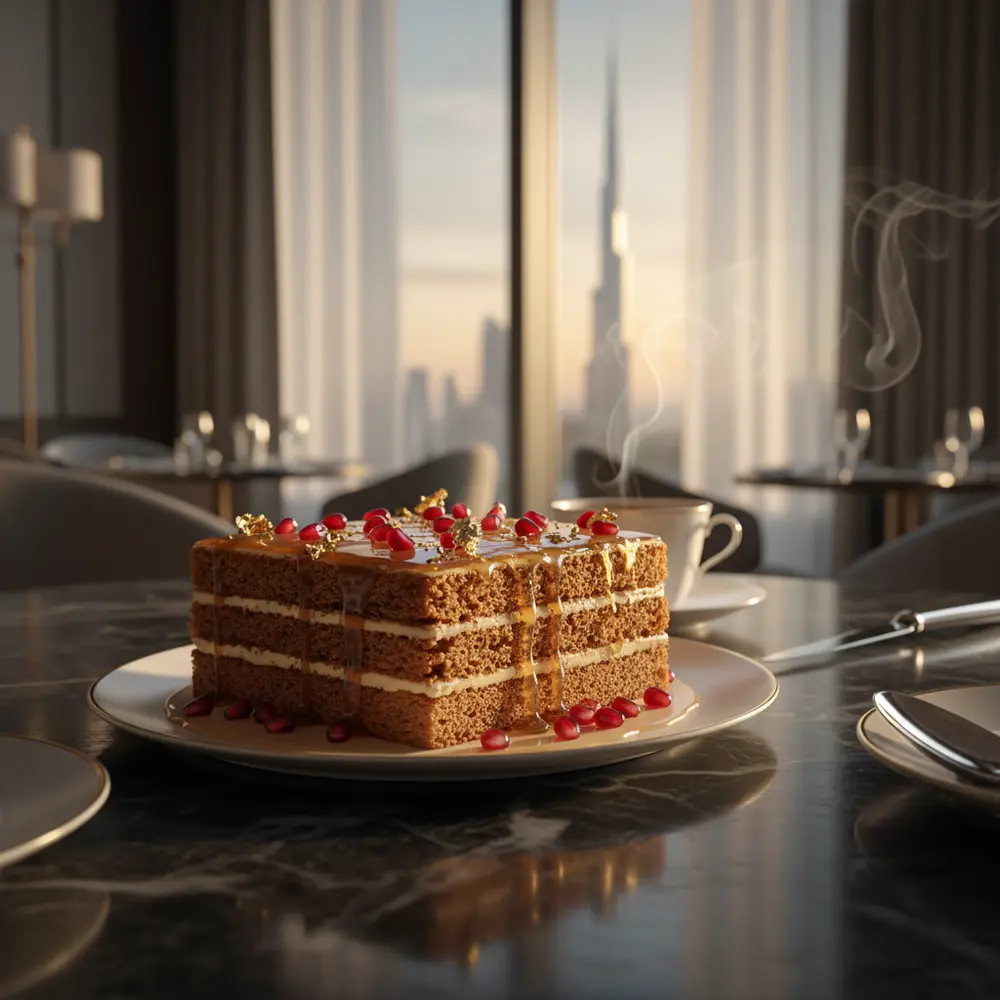
Best Food Photography Lighting for UAE’s Top Restaurants
Best Food Photography Lighting for UAE’s Top Restaurants
In the vibrant culinary landscape of the United Arab Emirates, the visual appeal of a dish is often just as important as its flavor. With the explosion of social media and digital platforms, Dubai businesses and dining establishments in the Abu Dhabi market are constantly competing for the attention of a discerning audience. To stand out, professional imagery is no longer a luxury—it is a necessity. Achieving the perfect shot requires more than just a high-end camera; it demands a deep understanding of the best food photography lighting for UAE’s top restaurants. Whether you are capturing the golden crust of a traditional Emirati dish or the intricate layers of a modern fusion dessert, the way you manipulate light defines the mood, texture, and appetizing quality of the photograph.
The UAE is home to some of the most luxurious and aesthetically diverse dining spaces in the world. From the sun-drenched terraces of Jumeirah to the moody, sophisticated interiors of DIFC, each environment presents unique lighting challenges. For Sharjah brands and startups in the Northern Emirates, mastering these techniques is essential for building a recognizable visual identity. High-quality lighting does not just highlight the food; it tells a story of craftsmanship, freshness, and hospitality, which are the cornerstones of the hospitality industry in the Middle East.
Understanding the Role of Natural Light in UAE Eateries
Natural light is often considered the holy grail of food photography. Its soft, diffused nature can make ingredients look incredibly fresh and authentic. For many UAE companies operating beachfront cafes or rooftop bistros, the abundance of sunlight is a major asset. However, the intensity of the Arabian sun can also be a hindrance. Midday sun in Dubai often creates harsh, unflattering shadows and blown-out highlights that strip away the delicate details of the food. To master the best food photography lighting for UAE’s top restaurants using natural sources, photographers must learn to harness “golden hour” light or utilize diffusers to soften the glare.
Positioning is key when working with natural light. Placing a table near a large, north-facing window typically provides the most consistent and softest illumination throughout the day. In the Abu Dhabi market, where many high-end restaurants are located within architectural masterpieces with floor-to-ceiling glass, photographers have a wealth of natural light to work with. By using sheer white curtains or professional scrims, one can transform harsh direct sunlight into a beautiful, even glow that emphasizes the vibrant colors of fresh produce. This approach is particularly effective for breakfast and brunch menus, which rely on a bright and airy aesthetic to attract customers.
Professional Artificial Lighting Kits for Dubai Businesses
While natural light is beautiful, it is also unpredictable. For professional consistency, especially when shooting for commercial campaigns or extensive menus, artificial lighting is the preferred choice. The Artsun advertising agency specializes in creating controlled environments where every shadow and highlight is meticulously placed. When exploring the best food photography lighting for UAE’s top restaurants, artificial setups like continuous LED panels and high-speed strobes offer the reliability that top-tier chefs and restaurateurs demand. Continuous lighting is excellent for beginners and for those shooting short-form video content, as it allows you to see exactly how the light falls on the plate in real-time.
Strobe lighting, on the other hand, provides a level of power and crispness that is hard to match. It allows photographers to freeze motion—such as a dusting of powdered sugar or the pour of a sauce—without any blur. For many specialized advertising photo shooting projects, strobes are the industry standard. These lights can be modified with softboxes, beauty dishes, or strip boxes to mimic any natural light condition, from the soft morning sun to the dramatic, directional light of a candlelit dinner. This versatility is crucial for Dubai businesses that need their marketing assets to look uniform across billboards, social media, and printed menus.
Key Equipment for High-End Gastronomy
To achieve professional results, investing in the right modifiers is just as important as the light source itself. Softboxes are perhaps the most common tool in food photography, providing a large, soft light source that reduces harsh contrasts. For more dramatic shots, “snoots” or “honeycomb grids” can be used to focus a narrow beam of light onto a specific part of the dish, such as the garnish or the main protein. This technique creates a “hero” effect, ensuring the viewer’s eye is immediately drawn to the most important element of the plate. In the competitive Sharjah brands landscape, these technical nuances can make a significant difference in how a product is perceived by the public.
Overcoming Lighting Challenges in Sharjah’s Indoor Cafes
Many of the most charming cafes in Sharjah and old Dubai are located in heritage buildings or cozy, dimly lit spaces. While these venues offer incredible atmosphere, they are often a nightmare for photographers. Mixed lighting—where warm indoor bulbs clash with cool natural light from the doorway—can lead to muddy colors and unnatural skin tones. To find the best food photography lighting for UAE’s top restaurants in these settings, it is often necessary to “overpower” the ambient light with a dedicated flash or LED setup. By setting the camera to a specific white balance, photographers can ensure the whites stay white and the food looks as delicious as it does in person.
Reflectors are another essential tool in these environments. A simple white foam board or a professional silver reflector can bounce light back into the shadowed side of a dish, revealing textures that would otherwise be lost. For a professional food and cafe photo shooting, the goal is often to create a three-dimensional look. This is achieved through “side lighting” or “backlighting.” Side lighting emphasizes the texture of the food—the crunch of a pastry or the grain of a steak—while backlighting is perfect for capturing steam, translucent liquids, and the delicate edges of leafy greens.
Mastering Shadows and Highlights
In food photography, shadows are not the enemy; they are the element that provides depth and “mood.” Dark and moody food photography is a popular trend among high-end steakhouses and bars in Dubai. This style uses “low-key” lighting, where most of the frame is dark, and only the subject is illuminated. This requires precise control and the use of “black flags” to block light from hitting the background. Conversely, “high-key” photography is bright and energetic, often used for healthy eating brands and dessert parlors. Understanding how to balance these two extremes is what separates a hobbyist from a professional working with the Artsun advertising agency.
Why Top UAE Companies Invest in Professional Studio Lighting
The UAE market is globally recognized for its high standards and luxury. When a restaurant launches in the Burj Khalifa district or on Saadiyat Island, their visual assets must match the prestige of their location. Top UAE companies understand that low-quality, grainy photos can actually devalue their brand. By utilizing the best food photography lighting for UAE’s top restaurants, these businesses ensure their menu items look “expensive” and high-quality. Professional lighting reveals the true color of the ingredients, making them look fresher and more enticing to the consumer.
Furthermore, professional lighting setups allow for “tethered shooting,” where the camera is connected to a laptop. This allows the photographer, food stylist, and restaurant manager to see the images on a large screen instantly. Adjustments can be made to the lighting or the plating on the spot, ensuring that the final output is perfect. This level of precision is vital for a creative restaurant menu design, where every millimeter of the layout counts. A well-lit photo makes the transition from digital screen to high-quality print seamless, maintaining the integrity of the colors and details.
Advanced Lighting Techniques for Digital Marketing in UAE
In the digital age, photography is just the beginning. The way images are used in digital marketing in UAE determines their success. For Instagram and TikTok, lighting must be vibrant and “scroll-stopping.” This often involves using “rim lighting,” where a light is placed behind the subject to create a glowing outline, making the food “pop” against the background. For Sharjah brands looking to engage a younger demographic, this modern, high-contrast look is highly effective. Lighting for video also requires a different approach, as the light must remain consistent while the camera moves around the dish.
Digital platforms also favor certain color palettes. Warm lighting can evoke feelings of comfort and tradition, which is perfect for local Emirati cuisine. Cooler, cleaner lighting is often associated with modern, minimalist, or healthy food concepts. By partnering with experts who provide social media support for restaurants, establishments can ensure that their lighting choices align with their overall brand strategy and the psychological triggers of their target audience. Consistent lighting across a social media feed creates a cohesive brand story that builds trust and recognition.
Practical Tips for Restaurant Owners and Content Creators
If you are a restaurant owner in the UAE looking to improve your in-house content, start by identifying your primary light source. Avoid using the overhead “house lights” of the restaurant, as these are often fluorescent or LED bulbs that create a green or yellow tint. Instead, turn them off and rely on a single, strong light source from the side. Use a “bounce card”—even a white menu or a piece of cardboard—on the opposite side to soften the shadows. This simple one-light setup is the basis for many of the images you see in luxury food magazines.
Another tip is to pay attention to the “color temperature.” Light is measured in Kelvin. Daylight is typically around 5600K, while indoor tungsten light is around 3200K. Mixing these will make your food look unappealing. Choose one temperature and stick to it. For those who want the most professional results without the steep learning curve, hiring a premier advertising firm in Dubai like the Artsun advertising agency ensures that all technical aspects, from color science to composition, are handled by experts. This allows the chefs to focus on the food while the specialists focus on the “crave-ability” of the image.
Frequently Asked Questions (FAQ)
What is the best time of day for food photography in the UAE?
In the UAE, the best time for natural light food photography is early morning (7:00 AM to 10:00 AM) or late afternoon (4:00 PM to 6:00 PM). During these times, the sun is lower in the sky, providing a softer, more directional light that is much more flattering for food than the harsh midday sun.
Do I need expensive lights to get good results?
Not necessarily. While high-end strobes offer more control, you can achieve great results with affordable LED panels or even well-managed natural light. The key is how you modify the light using diffusers and reflectors. However, for commercial-grade results for Dubai businesses, professional equipment is recommended.
What is the most common lighting mistake in food photography?
The most common mistake is using “front lighting” (pointing the light directly at the food from the camera’s perspective). This flattens the image and removes all texture. To get the best food photography lighting for UAE’s top restaurants, always try to light from the side or the back to create depth and highlights.
How does lighting affect the color of the food?
Lighting has a massive impact on color. If your light source has a “Low CRI” (Color Rendering Index), the food will look dull or grey. High-quality professional lights ensure that the reds of a tomato or the greens of a salad look vibrant and true to life, which is essential for digital marketing in UAE.
Should I use a flash or continuous light?
It depends on your goal. Continuous light is easier to use for beginners and necessary for video. Flash (strobe) is better for high-resolution stills because it provides more power and can freeze motion, which is often required by a professional Artsun Studio photographer to capture the perfect “action” shot of a dish.
Conclusion
Mastering the best food photography lighting for UAE’s top restaurants is a journey of constant experimentation and technical refinement. In a market as competitive as the United Arab Emirates, where the dining scene is world-class, your visual presentation must be equally exceptional. From the soft glow of a Sharjah cafe to the high-energy commercial sets in Dubai, light is the fundamental ingredient that brings a dish to life on screen or in print. By understanding the principles of light direction, color temperature, and modification, you can transform a simple plate of food into a work of art that captures the imagination and the appetite of your customers.
Whether you are a local startup or an established international brand, investing in professional imagery is an investment in your restaurant’s future. High-quality visuals drive engagement, increase bookings, and build a lasting brand reputation in the Abu Dhabi market and beyond. If you are ready to elevate your culinary brand to the next level, consider working with a team that understands the intersection of art and marketing. Contact us today to see how our expertise can showcase your menu in the best possible light and help you dominate the digital landscape of the UAE.

