
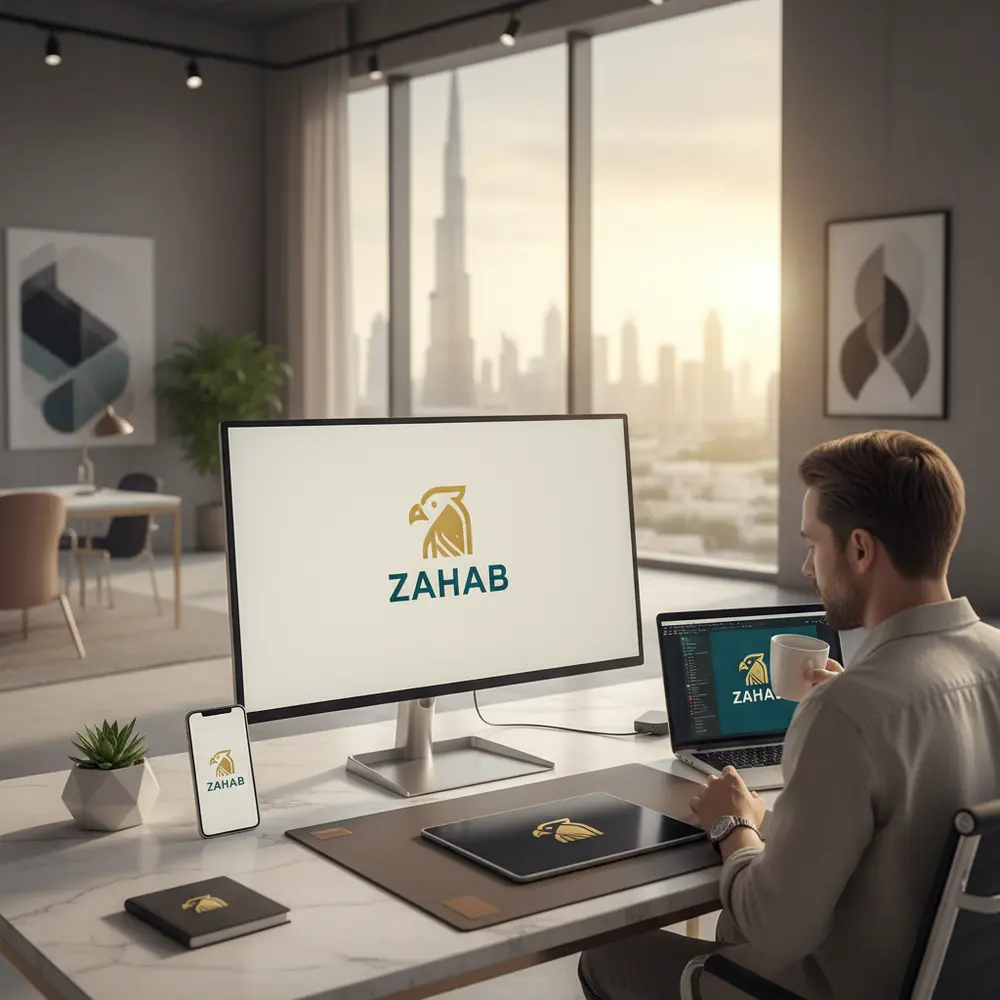
Best Logo Design Trends in Dubai: What’s Working Now?
Best Logo Design Trends in Dubai: What’s Working Now?
Dubai is a city where tradition meets a futuristic vision, creating a unique landscape for businesses to thrive. In this high-stakes environment, a brand’s visual identity is often the first and most lasting impression it makes on potential clients. As we navigate the current year, the competition among Dubai businesses has intensified, making the need for a standout logo more critical than ever. Whether you are a startup in the Dubai Design District or an established enterprise in the Abu Dhabi market, understanding the evolution of brand aesthetics is essential to staying relevant. The “Best Logo Design Trends in Dubai: What’s Working Now?” is not just a question of style but a strategic inquiry into how visual communication can drive success in one of the world’s most dynamic economies.
In the United Arab Emirates, consumer behavior is deeply influenced by a mix of luxury, technological advancement, and cultural heritage. This diversity requires a nuanced approach to branding. A logo that works in London or New York might not necessarily resonate with the local audience in Sharjah or Al Ain. Today, designers are moving away from generic imagery and embracing concepts that reflect the personality and values of the brand while acknowledging the regional context. From the minimalist structures of the Burj Khalifa to the intricate patterns of traditional crafts, inspiration is everywhere, and local brands are capitalizing on these elements to build trust and recognition.
1. The Shift Toward Minimalist Sophistication
Minimalism continues to dominate the global design scene, but in the UAE, it has taken on a more polished and luxurious form. For many Dubai businesses, “less is more” is the guiding principle for creating an identity that feels timeless and high-end. This trend involves stripping away unnecessary elements to focus on clean lines, balanced whitespace, and strong typography. The goal is to create a mark that is instantly recognizable across various mediums, from a massive billboard on Sheikh Zayed Road to a small icon on a smartphone screen.
Minimalist logos are particularly effective for high-end luxury brands and tech startups. By using simple geometric shapes, companies can convey a sense of stability and efficiency. However, the challenge lies in making a simple design feel unique. To achieve this, many brands are turning to professional logo design services that specialize in creating custom marks tailored to the specific nuances of the Middle Eastern market. This ensures that the minimalism doesn’t feel “empty” but rather “curated,” reflecting the prestige associated with the Dubai brand.
The Power of Modern Typography
Typography is a cornerstone of minimalist design. In Dubai, we are seeing a rise in custom-made sans-serif fonts that feel both approachable and authoritative. Brands are also experimenting with letter spacing (kerning) to create a sense of breathability and elegance. When the typography is the main focus, every curve and angle must be perfect, as there are no ornaments to hide imperfections. This trend is especially popular among Sharjah brands looking to modernize their image without losing their professional edge.
2. Cultural Fusion: Blending Tradition with Modernity
One of the most successful trends in the UAE is the fusion of traditional Arabic elements with contemporary design techniques. This approach allows UAE companies to honor their roots while appealing to a globalized audience. Arabic calligraphy, with its fluid and artistic strokes, is being integrated into logos in innovative ways. Instead of using traditional calligraphy styles, designers are creating “kufic” or modernized scripts that look sharp and current.
This cultural blend is not just about aesthetics; it is about storytelling. A logo that incorporates a subtle falcon motif, a palm tree silhouette, or Islamic geometric patterns speaks directly to the local heritage. In the Abu Dhabi market, where heritage is highly valued, these elements can create a powerful emotional connection with the target audience. It signifies that the brand understands and respects the local culture, which is a major factor in building brand loyalty in the region.
Geometric Patterns and Islamic Art
Islamic art is famous for its complex geometry, and these patterns are making a comeback in modern branding. By simplifying these intricate designs into modern icons, designers create logos that feel structured and sophisticated. These patterns work exceptionally well as secondary brand elements or backgrounds, providing a cohesive visual language that complements the primary logo.
3. Adaptive and Responsive Logo Designs
With the rapid growth of digital marketing in UAE, brands are no longer viewed on just one platform. A logo must look just as impressive on a favicon as it does on a physical store sign. This has led to the rise of adaptive or responsive logos. A responsive logo is a design that changes its complexity based on the screen size it is being viewed on. For instance, a full logo might include the brand name and a detailed icon, while a smaller version might only feature the icon or a stylized initial.
This trend is crucial for maintaining brand consistency in a digital-first world. As more consumers in Dubai and Sharjah interact with brands through mobile apps and social media, the logo must remain legible and impactful at any scale. Incorporating these designs into a broader digital strategy, such as custom web development, ensures that the user experience is seamless across all touchpoints. Businesses that fail to adapt their logos for the digital age risk appearing outdated and losing the attention of the tech-savvy UAE population.
Scalability and Simplified Icons
The core of an adaptive logo is its icon. Designers are focusing on creating “symbols” that can stand alone without the text. This is a strategy used by global giants like Apple and Nike, and it is now being adopted by ambitious UAE companies. A strong, simplified icon becomes a visual shorthand for the brand, making it much easier to use in diverse marketing materials.
4. Animated Logos: Capturing Attention in a Scrolling World
In a city as fast-paced as Dubai, static images can sometimes get lost in the noise. Animated logos, also known as motion logos, are becoming a preferred choice for brands that want to stand out on digital platforms. These animations can range from a subtle shimmer to a complex sequence that explains the brand’s story in a few seconds. Motion adds a layer of depth and personality that a static image simply cannot match.
For brands heavily invested in social media and video content, a motion logo is a game-changer. It creates a dynamic intro for promotional videos and keeps the audience engaged. Utilizing a brand’s motion graphics strategically can significantly boost engagement rates. When a user sees a logo come to life, it leaves a more memorable impression, which is vital for new entrants in the competitive Dubai businesses landscape. Artsun advertising agency has seen a growing demand for these dynamic identities as more companies prioritize video-first marketing strategies.
The Psychology of Motion
Motion naturally draws the human eye. By animating specific parts of a logo, designers can guide the viewer’s attention to the most important parts of the brand identity. For example, a bounce might suggest energy and innovation, while a smooth fade might indicate luxury and calmness. This level of psychological targeting is what separates a good logo from a great one in the Sharjah brands market.
5. Bold Color Palettes and Local Color Psychology
Color is one of the most powerful tools in a designer’s arsenal. In the UAE, color palettes are often influenced by the surrounding environment and cultural symbolism. We are seeing a shift away from safe, corporate blues toward bolder, more expressive colors. Deep teals, royal purples, and vibrant oranges are becoming popular, especially when paired with metallic accents like gold and bronze.
Gold, in particular, remains a staple in the Abu Dhabi market and Dubai’s luxury sector. It symbolizes wealth, success, and quality. However, the modern trend is to use gold as a subtle accent rather than the primary color, which keeps the design looking contemporary rather than gaudy. Additionally, many brands are using color to tell a story about their commitment to the region, such as using sand tones or sea blues to reflect the UAE’s geography. Effective social media management often involves using these bold palettes consistently to build a recognizable aesthetic that pops on the feed.
Gradient and Duotone Effects
Gradients have made a massive comeback, thanks to better screen technology that can display smooth color transitions. Unlike the harsh gradients of the early 2000s, today’s gradients are soft and ethereal, often used to add depth to a flat design. Duotone effects, which use two contrasting colors, are also popular for brands that want a high-contrast, edgy look that appeals to a younger demographic in the UAE.
6. Sustainability and Ethical Branding Imagery
As the UAE moves toward a more sustainable future, with initiatives like the “Green Agenda,” brands are reflecting these values in their logos. This isn’t just about using the color green; it’s about using organic shapes, hand-drawn textures, and symbols that represent growth and harmony with nature. Sharjah brands, in particular, have been at the forefront of this trend, often highlighting their commitment to eco-friendly practices through their visual identity.
Consumer awareness is at an all-time high, and people want to support companies that align with their ethical values. A logo that feels “human” and “authentic” can build a level of trust that corporate, sterile designs cannot. Hand-drawn elements or “perfectly imperfect” lines suggest a brand that is transparent and grounded. This approach is gaining traction among boutique cafes, organic food brands, and sustainable fashion labels across the Emirates. Artsun advertising agency’s homepage showcases various portfolios where these organic elements are used to create a welcoming and trustworthy brand presence.
Eco-Friendly Minimalism
There is also a trend toward “ink-saving” logos—designs that use less ink when printed. While this is a subtle detail, it is a powerful statement for a company to make. It shows that the brand has considered its environmental impact at every level, including the design of its logo. This level of detail resonates deeply with the conscious consumers found in the Abu Dhabi market today.
7. Future-Proofing Your Brand in Dubai
Choosing a logo trend is not just about following what is popular today; it is about selecting a style that will remain relevant for years to come. Dubai is a city that evolves rapidly, and your brand must be able to keep up. Future-proofing involves creating a flexible identity that can grow with your business. This might mean starting with a strong core concept that can be easily updated with new colors or minor tweaks without losing its brand equity.
Working with an experienced agency is the best way to ensure your logo stands the test of time. Artsun advertising agency provides comprehensive design strategies that go beyond just a pretty picture. They analyze market trends, competitor landscapes, and consumer psychology to deliver premium branding solutions that resonate with the target audience. In a competitive market like the UAE, having a professional partner can make the difference between a brand that fades away and one that becomes a local icon. Whether you are targeting the bustling streets of Dubai or the industrial hubs of Sharjah, a well-designed logo is your most valuable asset.
The Role of Local Insights
One of the biggest mistakes a company can make is ignoring local insights. Understanding the nuances of the UAE market—from religious sensitivities to the prestige of certain symbols—is vital. A design that works in a different part of the world might unintentionally offend or confuse a local audience. By focusing on “What’s Working Now” in the specific context of the UAE, businesses can ensure their logo is both a cultural and commercial success.
Frequently Asked Questions
Why is a minimalist logo design so popular in Dubai?
Minimalism is popular in Dubai because it aligns with the city’s focus on luxury and modernity. Clean, simple designs often feel more high-end and are easier to reproduce across the various digital and physical platforms that Dubai businesses use for marketing. It also helps a brand stand out by offering a calm visual in a busy urban environment.
Can I use Arabic calligraphy in my logo if my brand is international?
Absolutely. In fact, many international brands use modernized Arabic calligraphy to show respect for the local culture and to appeal more directly to UAE companies and consumers. It’s a great way to blend global appeal with local relevance, making the brand feel more integrated into the Middle Eastern market.
How often should a Dubai-based company update its logo?
While a good logo should be timeless, most brands perform a “refresh” every 5 to 7 years. This doesn’t necessarily mean a complete redesign; it could just be a minor update to the typography or color palette to ensure the brand remains modern and aligned with current digital marketing in UAE standards.
What are the most common colors used in UAE branding?
While color choices depend on the industry, gold, navy blue, and desert-inspired tones (like beige and terracotta) are very common. Recently, we’ve seen a rise in “tech-centric” colors like neon teals and vibrant purples, reflecting the UAE’s push toward becoming a global technology hub.
Conclusion
The logo design landscape in Dubai is a fascinating reflection of the city itself: bold, diverse, and constantly evolving. From the refined simplicity of minimalist marks to the culturally rich integration of Arabic calligraphy, the trends currently working in the UAE are those that manage to balance global standards with local sensibilities. For Dubai businesses, the logo is more than just a symbol; it is a declaration of quality and a bridge to the consumer. As we have seen, the most successful brands are those that embrace innovation—be it through animated logos, responsive designs, or sustainable imagery—while remaining true to their core values.
If you are looking to elevate your brand identity and capture the attention of the Abu Dhabi market, Sharjah, or Dubai, now is the time to act. Collaborating with Artsun advertising agency ensures that your visual identity is crafted with precision, creativity, and a deep understanding of the local market. Don’t let your brand get left behind in this fast-moving economy. Invest in a logo that not only looks great today but continues to build your legacy for years to come. Reach out to the experts and start your journey toward a more powerful and impactful brand identity today.

