
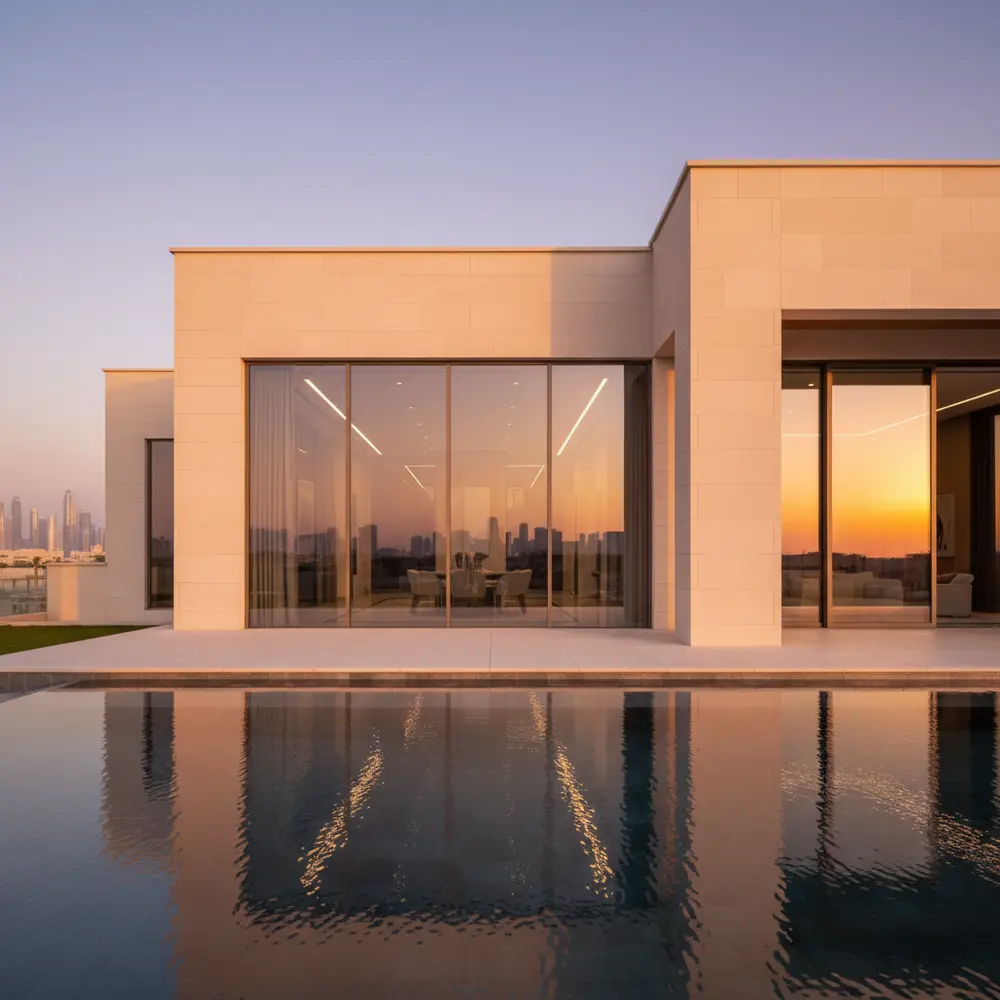
How to Achieve the Best 3D Architectural Rendering Quality
How to Achieve the Best 3D Architectural Rendering Quality
In the rapidly evolving landscape of the United Arab Emirates real estate market, the visual presentation of a project can be the deciding factor between a successful sale and a missed opportunity. As cities like Dubai and Abu Dhabi continue to redefine global skylines, the demand for hyper-realistic imagery has never been higher. Understanding how to achieve the best 3D architectural rendering quality is no longer just a technical requirement; it is a vital marketing strategy for developers, architects, and interior designers aiming to capture the attention of high-net-worth investors.
High-quality architectural rendering bridges the gap between a conceptual blueprint and the emotional connection of a finished home. For Dubai businesses, where luxury and innovation are the standards, settling for mediocre visuals is not an option. Whether you are presenting a boutique residential villa in Sharjah or a massive commercial skyscraper in the heart of the Abu Dhabi market, the precision of your renders reflects the quality of your brand. This guide explores the intricate details, technical workflows, and creative philosophies necessary to produce world-class architectural visualizations that stand out in the competitive digital marketing in UAE ecosystem.
The Importance of High-Fidelity 3D Rendering in the UAE Market
The UAE has established itself as a global hub for architectural wonders. From the Palm Jumeirah to the Saadiyat Cultural District, projects are defined by their grandeur and uniqueness. In such an environment, 3D rendering serves as the primary tool for communication. It allows stakeholders to visualize the play of light on a glass facade at sunset or the intricate texture of Italian marble in a luxury lobby before a single brick is laid.
When UAE companies invest in premium visualization, they are investing in trust. Investors today are tech-savvy and expect immersive experiences. High-quality renders reduce ambiguity, accelerate the approval process with municipal authorities, and provide a powerful asset for pre-construction sales. Achieving the best 3D architectural rendering quality ensures that your project is perceived with the prestige it deserves, aligning with the “smart city” visions of the Emirates.
Mastering Geometry and Modeling Precision
The foundation of any great render is a flawless 3D model. If the geometry is inaccurate or overly simplified, no amount of advanced lighting can save the final image. To achieve professional results, one must focus on “real-world” modeling. This means avoiding perfectly sharp 90-degree edges, which rarely exist in reality. Instead, slight chamfering or beveling of edges allows light to catch the corners, creating the subtle highlights that the human eye associates with physical objects.
Furthermore, internalizing the scale is crucial. Using the correct metric units ensures that furniture, fixtures, and ceiling heights look proportional. When working on high-end architectural visualization, it is essential to model details like window frames, door handles, and even light switches. These small elements contribute to the overall “weight” and believability of the scene, making the transition from a digital model to a lifelike photograph seamless.
Organizing the Workflow for Complex Scenes
Large-scale projects in Dubai often involve massive amounts of data. Managing polygons through proxies and XRefs is a standard practice for maintaining software performance. By keeping the scene organized, artists can iterate faster, testing different compositions and materials without the lag that often plagues complex architectural files. Precision in modeling is the first step in the journey of how to achieve the best 3D architectural rendering quality.
The Art of Lighting: Mimicking the Arabian Sun
Lighting is perhaps the most critical element in creating mood and realism. In the UAE, the natural light is intense and distinctive. Capturing the golden hour in a desert climate requires a deep understanding of Global Illumination (GI) and High Dynamic Range Images (HDRI). Using high-quality HDRIs allows the artist to wrap the 3D scene in a real-world environment, providing accurate reflections and ambient light colors that match the specific atmosphere of the region.
For interior renders, the use of IES (Illuminating Engineering Society) files is highly recommended. These files contain the exact light distribution data from real-world lighting manufacturers. By using them, you ensure that the glow from a recessed spotlight or a designer chandelier mimics physical reality. This level of technical accuracy is what top-tier Sharjah brands and international developers look for when choosing a premier creative solutions provider for their marketing collateral.
Balancing Natural and Artificial Light
A common mistake is overlighting a scene, which flattens the image and removes depth. To achieve a cinematic look, artists should embrace shadows. Contrast creates volume. By balancing the cool light from a window with the warm tones of interior lamps, you create a layered visual experience that guides the viewer’s eye through the space. This balance is a hallmark of the sophisticated work produced by an innovative Artsun advertising agency.
Texturing and Physically Based Rendering (PBR)
To truly understand how to achieve the best 3D architectural rendering quality, one must master the science of materials. Modern rendering engines utilize PBR workflows, which simulate how light interacts with surfaces based on physical properties like roughness, metallicness, and refraction. Using high-resolution 4K or 8K textures is a baseline requirement for close-up shots.
Texture mapping should include more than just a diffuse (color) map. Reflectivity maps, normal maps for surface bumps, and displacement maps for physical depth (such as the grout lines in a stone wall) are essential. In Dubai’s luxury market, materials like polished gold, brushed steel, and exotic woods are frequently used. Replicating these requires a nuanced approach to glossiness and “fresnel” effects, where the reflection intensity changes based on the viewing angle.
Adding Imperfections for Realism
Perfectly clean surfaces look “CG” (computer-generated). Adding subtle imperfections—such as faint smudges on glass, slight variations in wood grain, or dust on a polished surface—tricks the brain into believing the image is a photograph. This “weathering” process is what separates a standard render from a masterpiece that resonates with the Abu Dhabi market’s elite audience.
Composition and Camera Settings
A 3D artist must also be a photographer. How you frame the shot is just as important as the technical settings. Using standard photographic principles like the Rule of Thirds, Leading Lines, and Depth of Field can dramatically improve the impact of a render. For architectural shots, maintaining vertical lines is a must; tilting the camera up or down creates “keystoning,” which makes buildings appear to be falling over.
Employing a professional architectural filming perspective means selecting the right focal length. Wide-angle lenses (18mm-24mm) are great for small interiors but can distort proportions. Using a 35mm or 50mm lens often yields a more natural, “human” view of the space. Depth of field—the slight blurring of the foreground or background—adds a professional touch that highlights the focal point of the design, such as a bespoke piece of furniture or a unique architectural feature.
The Power of Animation and Interactivity
While static images are essential, the trend in the UAE is moving toward motion. Potential buyers want to “walk through” their future property. Creating dynamic 3D walkthroughs provides a comprehensive understanding of the spatial flow that a single image cannot convey. Animation allows the viewer to see how the light changes throughout the day or how the curtains sway in the breeze, adding a layer of life to the digital environment.
For developers looking to push the boundaries of digital marketing in UAE, integrating advanced CGI and VFX can create truly immersive storytelling. Imagine a video that starts with a drone shot of the Dubai skyline and seamlessly transitions into a 3D model of a new development. This level of sophistication is exactly what the Artsun advertising agency specializes in, ensuring that every project is presented with maximum impact.
Post-Processing: The Final Polish
The “raw” output from a rendering engine is rarely the final product. Post-processing is where the “magic” happens. Using software like Adobe Photoshop or After Effects, artists can fine-tune color balance, enhance contrast, and add atmospheric effects like bloom or light flares. This stage allows for the correction of minor issues without re-rendering the entire scene, which saves time and resources.
In post-production, you can also add “entourage”—2D or 3D people, cars, and vegetation—to give the scene a sense of scale and life. For the UAE market, ensuring the entourage is culturally relevant and high-quality is key. A render of a luxury mall in Sharjah should feel vibrant and inhabited, reflecting the local lifestyle and energy. This final step is crucial in the quest of how to achieve the best 3D architectural rendering quality.
Choosing an Innovative Marketing Partner
Producing world-class visuals requires a blend of high-end technology and artistic vision. For many UAE companies, the most efficient path to success is partnering with an established studio. An innovative marketing partner understands the nuances of the local landscape, from the specific architectural styles preferred in the region to the technical requirements of local developers. Artsun advertising agency has built a reputation for delivering excellence in this field, helping brands transform their visions into breathtaking realities that drive engagement and sales.
The Future of Rendering: AI and Real-Time Engines
The industry is currently undergoing a revolution with the advent of AI-assisted rendering and real-time engines like Unreal Engine 5. These tools allow for nearly instantaneous feedback, enabling architects to make design decisions on the fly. As these technologies mature, the barrier between real-time interactivity and photorealistic quality continues to thin, promising an even more exciting future for the Dubai real estate sector.
Frequently Asked Questions
What is the most important factor in 3D rendering quality?
While all elements are important, lighting is often considered the most critical. Proper lighting defines the mood, creates depth through shadows, and is the primary driver of photorealism. Without accurate light simulation, even the best models and textures will look artificial.
How long does it take to create a high-quality 3D architectural render?
The timeline varies depending on the complexity of the project. A single high-quality interior shot might take 3 to 5 days, while a complex exterior animation for a large development can take several weeks. Quality requires time for modeling, texturing, lighting, and the final rendering process.
What software do professional rendering studios in Dubai use?
Most professional studios use industry-standard software such as Autodesk 3ds Max, Maya, or Cinema 4D, paired with powerful rendering engines like V-Ray, Corona Renderer, or Octane. For real-time applications, Unreal Engine is becoming increasingly popular among UAE companies.
Why should I invest in 3D rendering instead of using traditional sketches?
3D rendering provides a level of detail and realism that sketches cannot match. In the competitive Abu Dhabi market, high-quality renders act as a powerful sales tool, allowing you to market and sell properties before construction begins, thus reducing financial risk.
How to achieve the best 3D architectural rendering quality for mobile viewing?
To ensure quality on mobile devices, focus on high contrast and clear compositions. Since screens are smaller, fine details might be lost, so the overall silhouette and lighting must be strong. Additionally, optimizing file sizes for fast loading without sacrificing resolution is key for digital marketing in UAE.
Conclusion: Setting New Standards in Visualization
Achieving the best 3D architectural rendering quality is a journey of continuous learning and attention to detail. It requires a synergy of technical mastery in modeling and texturing, an artistic eye for lighting and composition, and a strategic understanding of the local market. For Dubai businesses and Sharjah brands, these visuals are the face of their projects, representing their commitment to excellence and innovation.
As the UAE continues to lead the world in architectural ambition, the tools we use to visualize these dreams must also evolve. By focusing on the principles outlined in this guide—from the “real-world” imperfections of materials to the cinematic power of professional lighting—you can create imagery that does more than just show a building; it tells a story. Whether you are an independent designer or a large-scale developer, the goal remains the same: to create a vision of the future that is so compelling, it feels like reality today.
Are you ready to elevate your project’s visual impact and dominate the UAE market? Partner with the experts who understand how to blend technology with artistry. Contact us today to transform your architectural concepts into stunning, photorealistic masterpieces that capture the imagination of your audience.

