
Best 3D Architectural Animation Techniques for Luxury Real Estate
Best 3D Architectural Animation Techniques for Luxury Real Estate
The global real estate landscape has undergone a radical transformation, and nowhere is this more evident than in the United Arab Emirates. As the skyline of Dubai continues to reach new heights and the Abu Dhabi market expands with ultra-luxury developments, the demand for high-end visualization has skyrocketed. For developers and investors, the ability to showcase a property before the first stone is laid is no longer a luxury—it is a necessity. Utilizing the best 3D architectural animation techniques for luxury real estate has become the gold standard for bridging the gap between an architect’s vision and a buyer’s emotion. In a region where “luxury” is the baseline, standing out requires more than just a static image; it requires a cinematic experience that tells a story of prestige, comfort, and innovation.
For Dubai businesses, the competition is fierce. To capture the attention of high-net-worth individuals, marketing materials must reflect the same level of craftsmanship as the buildings themselves. This is where advanced animation techniques come into play, offering a level of immersion that traditional photography simply cannot match. By integrating photorealistic textures, dynamic lighting, and fluid camera movements, UAE companies can present their projects in a way that feels tangible. This article explores the sophisticated methods used to create these visual masterpieces and how they are reshaping digital marketing in UAE.
The Evolution of Visual Storytelling in UAE Real Estate
In the early days of property marketing, floor plans and simple sketches were the primary tools for sales. However, as the UAE became a global hub for architectural innovation, the tools of the trade had to evolve. Today, the Best 3D Architectural Animation Techniques for Luxury Real Estate leverage the same technology used in Hollywood blockbusters. This evolution has been driven by the need to sell an “aspiration” rather than just a square footage. In the Sharjah brands ecosystem and across the northern emirates, developers are increasingly adopting these technologies to compete with the high-octane marketing seen in Dubai’s Downtown or Marina districts.
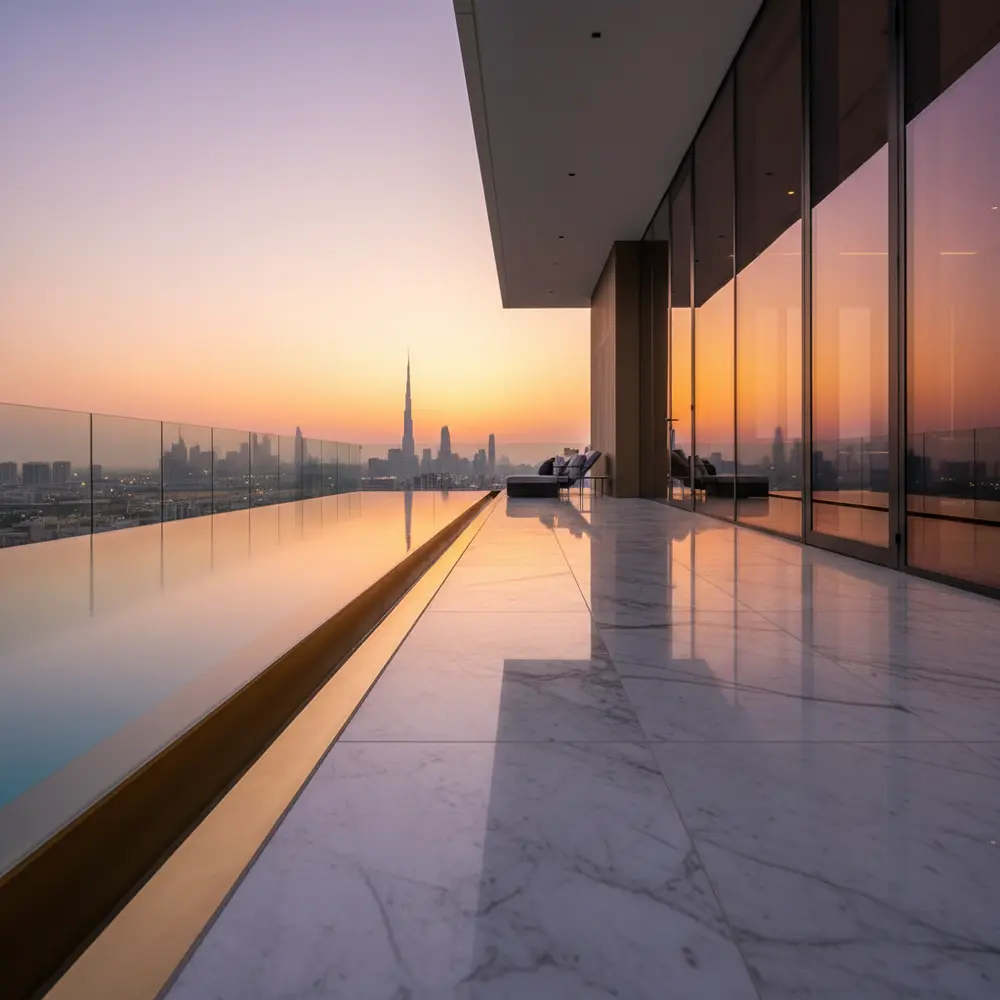
Modern animations are not just about showing the building; they are about showing the life lived within it. This involves sophisticated storytelling where the camera acts as the eyes of a potential resident. We see the morning sun hitting the marble floors of a penthouse, the gentle ripple of water in an infinity pool, and the ambient glow of the city lights as evening falls. This level of detail is achieved through cutting-edge 3D architectural animation, which allows for a level of creative freedom that was previously unimaginable. By controlling every variable—from the time of day to the weather—animators can create the “perfect day” for any property.
Essential 3D Architectural Animation Techniques for High-End Projects
Creating a luxury animation requires a multi-layered approach. It is not enough to simply move a camera through a 3D model; one must consider the physics of light, the properties of materials, and the psychological impact of color. When seeking top-tier creative solutions, many UAE companies turn to Artsun advertising agency to ensure their projects are handled with the precision required for the luxury sector. Here are the core techniques that define high-end architectural visuals.
Cinematic Lighting and Global Illumination
Lighting is perhaps the most critical element in luxury real estate visualization. In 3D animation, “Global Illumination” refers to the way light bounces off surfaces and interacts with the environment, just as it does in the real world. For a luxury villa in Dubai, this might mean simulating the harsh, bright midday sun of the desert or the soft, golden hues of a Persian Gulf sunset. Advanced rendering engines allow animators to calculate these light paths with extreme accuracy, creating soft shadows and realistic reflections that give the scene depth and realism. This technique is often paired with photorealistic architectural rendering to ensure that every frame of the animation looks like a high-end photograph.
Hyper-Realistic Texturing and Materiality
In luxury real estate, the materials define the value. Whether it is Italian Calacatta marble, brushed gold fixtures, or sustainable timber flooring, the animation must convey the “feel” of these materials. Hyper-realistic texturing involves using High Dynamic Range (HDR) maps and Physically Based Rendering (PBR) materials. These ensure that surfaces react to light correctly—marble should have a slight translucency, while polished metal should have sharp, clear reflections. When these details are executed correctly, the viewer can almost feel the texture of the fabric on a sofa or the coolness of the stone countertops, which is a hallmark of the best 3D architectural animation techniques for luxury real estate.
Why Dubai Businesses Prioritize Immersive 3D Walkthroughs
Dubai businesses operate in one of the fastest-moving real estate markets in the world. With projects like the Palm Jumeirah and the upcoming Creek Harbour, the scale of development is massive. Immersive 3D walkthroughs allow these businesses to sell units to international investors who may not be able to visit the site in person. An animation acts as a 24/7 virtual showroom. Unlike a physical model, a 3D animation can be shared instantly across social media, sent via email, or featured on a high-traffic website, making it an essential component of digital marketing in UAE.
Furthermore, these animations provide a sense of scale and orientation that static images lack. A buyer can understand the flow of the apartment, the relationship between the kitchen and the living area, and the specific view they will have from their balcony. In the Abu Dhabi market, where high-end residential communities on Saadiyat Island are in high demand, providing this level of clarity is vital for closing multi-million dollar deals. It builds trust by showing exactly what the final product will look like, reducing the perceived risk of off-plan purchases.
Integration of CGI and VFX for Emotional Impact
To truly capture the “luxury” essence, many animations now incorporate visual effects that go beyond basic architecture. This includes fluid simulations for swimming pools and fountains, cloth simulations for curtains blowing in the wind, and even digital humans (NPCs) to add a sense of life to the space. The integration of CGI and VFX video production allows animators to create atmospheric effects like morning mist, dust motes dancing in a sunbeam, or the complex reflections of a rain-slicked driveway. These small touches trigger an emotional response in the viewer, making the property feel lived-in and desirable.
By using these advanced techniques, developers can highlight specific lifestyle features. For instance, an animation might focus on the smart home integration, showing lights dimming and curtains closing with a single touch, or it might showcase the transition from an indoor living space to an outdoor terrace. This seamless blend of reality and digital artistry is what separates standard marketing from a premium brand experience. For those looking for a top-tier creative solutions, these high-tech additions are non-negotiable in the current market climate.
Navigating the Abu Dhabi and Sharjah Real Estate Markets
While Dubai often steals the spotlight, the Abu Dhabi market is equally sophisticated, focusing heavily on cultural and sustainable luxury. Animation techniques here often emphasize the harmony between the building and its natural surroundings, such as the mangroves or the pristine beaches. Similarly, Sharjah brands are carving out a niche in “cultural luxury,” where traditional Islamic architecture meets modern lifestyle amenities. In these markets, 3D architectural animation serves as a bridge between tradition and the future.
In the competitive Abu Dhabi market, Artsun advertising agency provides the technical edge needed to present complex projects to government entities and private investors alike. Using cinematic architectural videography, developers can tell a more comprehensive story that includes the surrounding infrastructure, parks, and community features. This macro-view is essential for large-scale master-planned communities where the “neighborhood” is just as important as the individual home.
The Technical Pillars of High-End Animation
To achieve the best 3D architectural animation techniques for luxury real estate, several technical stages must be mastered. Each stage contributes to the final polished look that high-end clients expect. Understanding these pillars helps UAE companies choose the right specialized marketing partner for their projects.
1. Storyboarding and Camera Pathing
Before any rendering happens, the “plot” of the animation is decided. Storyboarding ensures that the most important features of the property are highlighted. Camera pathing is then designed to be smooth and “human-like.” Slow, sweeping shots are preferred over fast movements, as they evoke a sense of calm and grandeur. This mimics the movement of a professional cinematographer using a gimbal or a drone, creating a truly cinematic feel.
2. Environment Design and Digital Landscaping
A luxury building looks out of place in an empty digital void. High-end animations include detailed environment design, which means modeling the actual streets, neighboring buildings, and specific flora found in the UAE. For a project in Sharjah, this might include Ghaf trees and specific desert landscaping. This context is vital for helping the viewer place the project in the real world.
3. Post-Production and Color Grading
The raw output from a 3D software is rarely the final product. Post-production involves color grading to give the film a specific “look”—perhaps a warm, inviting glow for a family home or a cool, sleek aesthetic for a modern office tower. Sound design is also added at this stage, with ambient noise and a bespoke musical score that matches the brand’s identity. These final layers of polish are what truly elevate the Best 3D Architectural Animation Techniques for Luxury Real Estate to a professional standard.
Leveraging Visuals for Digital Marketing in UAE
Once the animation is complete, its value is realized through strategic distribution. Digital marketing in UAE is highly mobile-centric, meaning animations must be optimized for viewing on smartphones and tablets. Video content significantly outperforms static images in terms of engagement on platforms like Instagram, LinkedIn, and YouTube. For real estate agencies, this means higher click-through rates and more qualified leads.
Moreover, these animations can be repurposed. A three-minute full-length walkthrough can be cut into several fifteen-second teasers for social media stories. High-resolution stills can be extracted for brochures and billboards. This versatility makes 3D animation a cost-effective investment in the long run. By partnering with a specialized marketing partner, developers can ensure that their visual assets are used to their full potential, reaching the right audience at the right time in the right format.
Frequently Asked Questions
How long does it take to create a high-quality 3D architectural animation?
The timeline varies based on the complexity and length of the video. Typically, a high-end 60-second animation can take anywhere from 4 to 8 weeks. This includes stages like 3D modeling, texturing, lighting, rendering (which can take hundreds of hours of computer processing), and final post-production. For large-scale projects in Dubai, allow extra time for feedback and revisions to ensure every detail is perfect.
What is the difference between 3D rendering and 3D animation?
3D rendering refers to the process of creating a static image from a 3D model. It is like taking a photograph of a digital set. 3D animation, on the other hand, is a sequence of thousands of rendered frames played in succession to create movement. While a render shows you what a room looks like, an animation shows you how it feels to move through that room.
Can 3D animation help with government approvals in the UAE?
Yes, absolutely. In Abu Dhabi and Dubai, municipal authorities and planning departments often require clear visual representations of how a new project will impact the skyline and the surrounding community. A detailed 3D animation can demonstrate traffic flow, shadow impact, and aesthetic integration, making the approval process much smoother for developers.
Is 3D animation expensive for small developers?
While luxury-grade animation requires a significant investment, it is often more expensive NOT to have one. In a competitive market, a project without high-quality visuals will struggle to gain traction. Many agencies offer scalable solutions, allowing smaller developers to focus on key areas of the property to keep costs manageable while still maintaining a professional image.
Conclusion
In the world of high-stakes property development, the Best 3D Architectural Animation Techniques for Luxury Real Estate are the ultimate sales tool. They allow developers to communicate complex ideas, evoke deep emotions, and build a brand that resonates with the world’s most discerning buyers. From the glittering towers of Dubai to the cultural landmarks of Abu Dhabi, these visual experiences are defining the future of the industry. By focusing on cinematic lighting, realistic textures, and strategic storytelling, UAE companies can ensure their projects are not just seen, but remembered.
Working with Artsun advertising agency ensures that your luxury property stands out in a crowded digital landscape. Whether you are looking to launch a new residential villa or a commercial skyscraper, the right animation can make all the difference. In a region that never stops building, make sure your vision is the one that captures the world’s imagination. Take the first step toward transforming your architectural plans into a digital masterpiece and experience the power of world-class visualization today.

