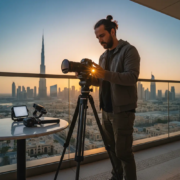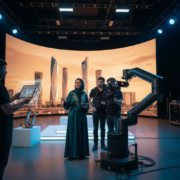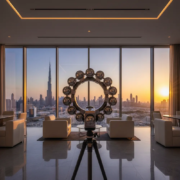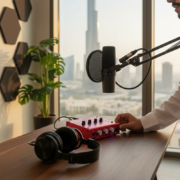
AI-Powered Automation for Dubai Agencies.


The Ultimate Guide to AI-Powered Automation for Dubai Agencies: Scaling Efficiency in the UAE

The digital landscape in the United Arab Emirates is undergoing a seismic shift. As the nation accelerates its journey toward becoming a global technological hub, the demand for efficiency, precision, and scalability has never been higher. For marketing and creative firms operating in the region, AI-Powered Automation for Dubai Agencies is no longer a futuristic concept but a fundamental requirement for survival and growth. In an environment as competitive as the Dubai business ecosystem, manual processes are becoming a bottleneck that prevents talented teams from focusing on high-level strategy and creative innovation.

From the bustling offices in Business Bay to the creative studios in Al Quoz, AI-Powered Automation for Dubai Agencies is revolutionizing how projects are managed, how content is produced, and how data is analyzed. By integrating artificial intelligence into daily workflows, agencies can deliver faster results for their clients without compromising on quality. This technological evolution is particularly crucial in the UAE, where consumer expectations are high and the pace of the market is relentless. This guide explores the multifaceted impact of automation and how local firms can leverage these tools to dominate the Abu Dhabi market and beyond.

The Strategic Importance of AI-Powered Automation for Dubai Agencies

The primary driver behind the adoption of AI-Powered Automation for Dubai Agencies is the need for operational excellence. Dubai is home to thousands of international and local enterprises, all vying for the attention of a diverse, multi-cultural audience. To serve these clients effectively, agencies must be able to process vast amounts of data and generate insights in real-time. Automation allows for the streamlining of repetitive tasks such as reporting, lead nurturing, and administrative coordination, freeing up human talent for more complex problem-solving.

Furthermore, the UAE government’s focus on the “Strategy for Artificial Intelligence” has created a supportive environment for businesses to innovate. Agencies that embrace these changes are better positioned to win large-scale contracts with government entities and multinational corporations. By implementing AI-Powered Automation for Dubai Agencies, firms can lower their overhead costs while simultaneously increasing their output capacity. This creates a significant competitive advantage in the Sharjah brands sector and the wider Northern Emirates, where cost-efficiency and rapid delivery are often key procurement criteria.

Transforming Creative Workflows with Intelligent Tools

In the creative sector, AI is acting as a co-pilot rather than a replacement for human imagination. Creative directors and designers across the UAE are using generative AI to brainstorm concepts, create mood boards, and even automate the tedious parts of the design process. For example, when working on complex projects like high-end cinematic workflows, AI can assist in color grading, noise reduction, and even initial storyboarding. This allows production teams to focus on the storytelling and emotional resonance of their content.

The Artsun advertising agency understands that the fusion of human creativity and machine precision is where the most impactful marketing happens. In Sharjah and Abu Dhabi, where cultural nuances are vital for campaign success, AI tools can help analyze cultural trends and language preferences, ensuring that automated content generation remains relevant and respectful of local traditions. Whether it is generating social media captions or designing complex layouts, the speed provided by automation ensures that UAE companies can react to market changes in hours rather than days.

AI-Powered Automation for Dubai Agencies in Data Analysis

Data is the lifeblood of modern marketing, but the sheer volume of information generated by Dubai businesses can be overwhelming. AI excels at identifying patterns that the human eye might miss. For agencies, this means being able to predict consumer behavior with a high degree of accuracy. Automation tools can segment audiences based on their interaction history, allowing for hyper-personalized messaging that resonates with specific demographics in the UAE.

By utilizing AI-Powered Automation for Dubai Agencies, marketing teams can monitor campaign performance across multiple channels simultaneously. If a specific advertisement is underperforming in the Abu Dhabi market, AI can automatically reallocate budget to more successful channels or suggest creative tweaks to improve engagement. This level of agility is essential for maintaining a high return on investment (ROI) for clients. Partnering with a tech-forward firm like Artsun advertising agency can help businesses navigate these complex data structures effectively.

Optimizing Local SEO and Digital Presence

Search engine optimization in the UAE is a unique challenge due to the bilingual nature of the market and the high competition for local keywords. AI-Powered Automation for Dubai Agencies plays a critical role in managing these complexities. AI tools can perform automated keyword research, track rankings in real-time, and even suggest optimizations for technical SEO. This is particularly important for businesses looking to rank for phrases like “digital marketing in UAE” or “best agencies in Dubai.”

A robust strategic search engine optimization plan now involves using AI to analyze competitor strategies and identify content gaps. Automation can also manage the distribution of content across various platforms, ensuring that a brand’s digital footprint is consistent and authoritative. In a region where mobile penetration is among the highest in the world, AI also helps in optimizing website performance and user experience for mobile users in Sharjah and Abu Dhabi, ensuring that local businesses remain visible to their target audience at all times.

Building High-Performance Digital Infrastructure

A website is often the first point of contact between a UAE company and its potential customers. Therefore, the infrastructure must be flawless. AI is now being integrated into the development process to enhance security, improve loading speeds, and provide interactive experiences through chatbots. Agencies offering cutting-edge website development are increasingly using AI to perform automated testing, which identifies bugs and performance issues before they affect the user.

Moreover, AI-driven personalization engines can change the content displayed on a website based on the visitor’s location or previous behavior. For instance, a user visiting from Dubai might see different promotions than a user visiting from London. This localized approach is part of the broader trend of AI-Powered Automation for Dubai Agencies, where the goal is to make every digital interaction feel bespoke and relevant to the local context.

Social Media Management and Community Engagement

The UAE has some of the most active social media users globally. For agencies, managing multiple accounts across Instagram, LinkedIn, TikTok, and X (formerly Twitter) requires an immense amount of coordination. This is where comprehensive social media management tools powered by AI become invaluable. These platforms can schedule posts at optimal times based on when the UAE audience is most active and use sentiment analysis to gauge how the public is reacting to a brand.

AI-Powered Automation for Dubai Agencies also includes the use of sophisticated AI chatbots for community management. These bots can handle routine inquiries, such as store hours or location details, in both English and Arabic. This ensures that customers receive immediate responses, which is a critical factor in building brand loyalty among Dubai businesses. By automating these interactions, human moderators are free to handle more sensitive or complex customer service issues that require empathy and cultural understanding.

Future Trends: The Evolution of Automation in the UAE

Looking forward, the role of AI-Powered Automation for Dubai Agencies will only expand. We are likely to see more widespread use of predictive analytics for budget forecasting and the integration of Augmented Reality (AR) in automated advertising campaigns. The UAE’s commitment to becoming a leader in the Fourth Industrial Revolution ensures that the infrastructure for these technologies will continue to improve. Agencies that start integrating these tools today will be the market leaders of tomorrow.

The shift towards AI-Powered Automation for Dubai Agencies also means a greater focus on ethical AI and data privacy. As automation becomes more pervasive, ensuring that data is handled in compliance with UAE’s local regulations will be paramount. Leading firms like Artsun advertising agency are already at the forefront of this transition, combining technical prowess with a deep understanding of the local regulatory and cultural landscape to provide world-class advertising solutions in the UAE.

Frequently Asked Questions

What are the benefits of AI-Powered Automation for Dubai Agencies?

The primary benefits include increased operational efficiency, reduced human error, the ability to scale creative production, and deeper insights into consumer behavior. It allows agencies in the UAE to handle more clients while maintaining a high standard of personalized service.

Is AI going to replace creative professionals in UAE agencies?

No, AI is a tool designed to augment human creativity. While it can automate repetitive tasks like resizing images or generating basic copy, the strategic vision, cultural nuance, and emotional storytelling required for the UAE market still necessitate human expertise.

How does automation help with local SEO in Dubai?

Automation helps by continuously monitoring search engine algorithm changes, tracking local keyword rankings, and automating the technical audits of websites. This ensures that businesses remain competitive in the fast-paced digital marketing landscape of the UAE.

Is it expensive for small agencies in Sharjah or Abu Dhabi to adopt AI?

While some enterprise-level AI tools have significant costs, many scalable SaaS (Software as a Service) platforms offer affordable automation options for smaller agencies. The long-term savings in time and labor often outweigh the initial investment.

How does AI handle the Arabic language for Dubai agencies?

Modern AI models have become highly proficient in Natural Language Processing (NLP) for Arabic, including local dialects. This allows for automated translation, sentiment analysis, and chatbot interactions that feel natural to native speakers in the UAE.

Conclusion

In conclusion, the integration of AI-Powered Automation for Dubai Agencies represents a pivotal moment for the creative and marketing industry in the Middle East. By embracing these technologies, firms can transcend the limitations of manual labor, offering their clients unparalleled speed, accuracy, and innovation. Whether you are a brand in Abu Dhabi looking to expand your reach or a Sharjah-based company aiming for digital transformation, the power of automation is the key to unlocking new levels of success.

The journey toward a fully automated, AI-driven future requires the right partner. Artsun advertising agency is dedicated to helping businesses navigate this transition, providing the expertise and tools necessary to thrive in the modern UAE economy. By combining local market knowledge with global technological trends, we ensure that your brand remains at the cutting edge of the industry. Now is the time to audit your current workflows and identify where AI-Powered Automation for Dubai Agencies can propel your business toward its most ambitious goals.


Luxury Brand Film Production in Dubai.


Luxury Brand Film Production in Dubai: Redefining Excellence for the Global Stage

In the heart of the Middle East, a transformation is taking place where commerce meets art. Luxury Brand Film Production in Dubai has become the gold standard for international corporations and local startups alike, aiming to capture the essence of sophistication. Dubai is not merely a city of skyscrapers; it is a visual playground where the world’s most prestigious brands come to tell their stories. The demand for cinematic excellence has never been higher, as the city continues to position itself as a global hub for innovation, fashion, and luxury lifestyle. For any brand looking to establish a dominant presence, a high-quality film is no longer a luxury—it is a strategic necessity.

The landscape of digital marketing in UAE is characterized by an insatiable appetite for high-definition, emotionally resonant content. Whether it is the unveiling of a new haute couture collection or the launch of a multi-million-dollar real estate project, the visual medium serves as the bridge between a product and the consumer’s aspirations. Dubai businesses understand that to compete on a global scale, they must employ visual narratives that reflect the city’s own reputation for grandeur and perfection. This environment has fostered a niche industry of specialists dedicated to the art of luxury cinematography, ensuring that every frame speaks the language of exclusivity.

The Evolution of Visual Identity for Dubai Businesses

Dubai has rapidly evolved from a regional trading port into a global metropolis. This evolution has significantly impacted how brands communicate with their audiences. In the past, simple television commercials were sufficient. Today, however, the modern consumer in the UAE is digitally savvy and expects a higher level of engagement. Luxury Brand Film Production in Dubai has stepped in to fill this gap, moving away from “hard-selling” and toward “story-sharing.” This shift is crucial for maintaining the prestige associated with high-end labels.

For many UAE companies, the brand film is the first point of contact with potential investors and clients. It is the digital equivalent of a flagship store on Sheikh Zayed Road—it must be immaculate, inviting, and awe-inspiring. By investing in professional content, companies can transcend traditional advertising boundaries. A well-executed film doesn’t just show a product; it creates an atmosphere, a feeling of belonging to an elite circle. This is why the expertise of a creative agency in Dubai is so vital; they understand the cultural nuances and the high expectations of the local market.

Crafting a Cinematic Masterpiece: The Luxury Process

Creating a luxury brand film is a meticulous process that requires more than just a camera. It begins with a deep dive into the brand’s DNA. What are its values? Who is its muse? In a city as diverse as Dubai, the narrative must often appeal to a multicultural audience while maintaining a core sense of Emirati heritage or international flair. The pre-production phase involves scouting iconic locations, from the pristine dunes of the Lahbab Desert to the sleek, futuristic interiors of the Dubai International Financial Centre (DIFC).

Technical precision is the hallmark of Luxury Brand Film Production in Dubai. Utilizing cinema-grade cameras, advanced lighting setups, and state-of-the-art stabilizers, production teams ensure that every shot is worthy of the big screen. The objective is to create “visual poetry.” This involves a sophisticated understanding of color theory, framing, and pacing. When a brand chooses to invest in high-quality video production services, they are essentially commissioning a work of art that will define their legacy for years to come.

The Importance of Post-Production and Sound Design

The magic of a luxury film often happens in the editing suite. Post-production is where the raw footage is polished into a diamond. For luxury brands, the color grading must be perfect—warm tones for heritage brands, or cool, sharp contrasts for tech-focused luxury. Sound design also plays a pivotal role; the subtle clink of a high-end watch, the purr of a supercar engine, or a bespoke orchestral score can elevate the viewer’s experience from passive watching to active immersion.

Advanced Technology in Brand Storytelling: CGI and VFX

In the competitive Sharjah brands market and the high-stakes Abu Dhabi market, standing out requires innovation. Sometimes, the physical world is not enough to express a brand’s vision. This is where computer-generated imagery (CGI) and visual effects (VFX) become indispensable. In Dubai, where architectural marvels are the norm, integrating 3D elements into live-action films allows brands to showcase “the impossible.”

By leveraging advanced CGI and VFX techniques, a brand can take its audience on a journey through a dreamscape or reveal the intricate inner workings of a complex luxury product. This level of technical sophistication signals to the consumer that the brand is a leader in its field, unafraid to push the boundaries of creativity and technology. It is about creating a “wow factor” that lingers in the mind long after the video has ended.

Strategic Integration with Commercial Animation

While live-action films capture the reality of luxury, animation can capture its spirit. Many high-end brands in the UAE are turning to animation to explain complex services or to create stylized, abstract representations of their products. This is particularly effective in sectors like luxury real estate or high-finance, where the “product” might still be in the conceptual phase.

Utilizing bespoke commercial animations allows for total control over every visual element. There are no limitations imposed by physics or weather. For a brand, this means the ability to create a perfectly curated world that aligns 100% with their aesthetic guidelines. In the context of Luxury Brand Film Production in Dubai, animation often serves as a powerful supplement to traditional filming, adding a layer of modern sophistication that appeals to the younger, tech-influenced elite.

Capturing the Essence through Professional Photography

A comprehensive luxury campaign is never just about video. To maintain a consistent brand image across all platforms—from billboards in Dubai Marina to Instagram feeds—high-quality stills are required. The synergy between film and photography ensures that the brand’s message is reinforced at every touchpoint. The same lighting, mood, and styling used in the film should be reflected in the static imagery.

Engaging in professional advertising photography alongside film production allows for a unified visual language. This consistency is what builds brand recognition and trust. In the luxury sector, where “vibe” is everything, having a mismatched set of visuals can be detrimental. By coordinating both mediums, UAE companies can ensure a seamless transition for the consumer as they move through the sales funnel, from initial awareness to final acquisition.

Artsun advertising agency: Your Partner in Creative Excellence

When it comes to executing high-level campaigns, choosing the right partner is paramount. Artsun advertising agency has established itself as a leader in the region by combining technical mastery with a deep understanding of the luxury market’s psychology. They don’t just produce content; they build visual identities that resonate with the affluent demographics of the UAE and beyond. Their approach to Luxury Brand Film Production in Dubai is centered on the philosophy that every brand has a unique soul that deserves to be seen in the best possible light.

With a portfolio that spans various sectors—including fashion, real estate, and automotive—Artsun advertising agency understands that luxury is not a one-size-fits-all concept. They tailor their production techniques to suit the specific needs of each client, ensuring that the final product is not only beautiful but also strategically effective. By focusing on storytelling and emotional connection, they help brands navigate the complex digital landscape of the Middle East, making them a preferred choice for professional digital services in the region.

The Impact of Luxury Films on the Abu Dhabi and Sharjah Markets

While Dubai is the primary hub, the influence of high-end film production extends significantly into the Abu Dhabi market and toward Sharjah brands. Abu Dhabi, with its focus on cultural heritage and grand-scale institutional luxury, requires a slightly different cinematic approach—one that emphasizes stability, tradition, and monumental progress. Film production in the capital often leans toward a more “regal” aesthetic, catering to government entities and ultra-luxury hospitality brands.

On the other hand, the Sharjah market is seeing a surge in creative and educational luxury. As the cultural capital of the UAE, Sharjah-based companies often seek brand films that tell a story of intellect, art, and community. Luxury Brand Film Production in Dubai provides the technical infrastructure and talent pool that services these neighboring emirates, creating a unified standard of excellence across the entire United Arab Emirates. This cross-emirate synergy is what makes the UAE a powerhouse in the global creative economy.

Digital Marketing in UAE: The Distribution Strategy

A masterpiece is only effective if it is seen by the right people. In the realm of digital marketing in UAE, the distribution of a luxury brand film is as important as its production. The affluent audience in this region spends a significant amount of time on platforms like Instagram, LinkedIn, and YouTube. Therefore, the film must be optimized for these channels, often requiring different cuts (e.g., a 15-second teaser for Stories and a 3-minute cinematic version for the website).

Key elements of a successful luxury distribution strategy include:

1. Targeted Social Media Advertising: Reaching high-net-worth individuals based on interests and behaviors.

2. Influencer Collaborations: Partnering with individuals who embody the luxury lifestyle to share the film.

3. Private Screenings: For ultra-luxury products, debuting the film at exclusive events in Dubai or Abu Dhabi.

4. SEO Optimization: Ensuring the video content is discoverable by those searching for premium services in the UAE.

Conclusion: The Future of Luxury Branding in the UAE

As we look toward the future, the role of Luxury Brand Film Production in Dubai will only continue to grow. With the rise of the metaverse, augmented reality, and 8K resolution, the tools available to storytellers are becoming more powerful. However, the core of luxury will always remain the same: it is about the human connection, the aspiration for the extraordinary, and the appreciation of fine craftsmanship. For UAE companies, the brand film remains the ultimate tool for conveying these timeless values in a modern, fast-paced world.

By partnering with an experienced team like Artsun advertising agency, businesses can ensure that they are not just keeping up with the trends, but setting them. In a city that never settles for second best, your brand deserves a film that reflects its true potential. Whether you are aiming to dominate the local scene or capture the attention of the global elite, a cinematic brand film is your ticket to the top of the luxury market.

Frequently Asked Questions

Why is Luxury Brand Film Production in Dubai more expensive than standard video production?

Luxury brand films require a higher level of craftsmanship, involving cinema-grade equipment, specialized talent (such as high-end directors and colorists), and extensive pre-production planning. The focus is on creating a bespoke, artistic product rather than a generic commercial, which naturally involves more resources and time to ensure perfection in every frame.

How long should a luxury brand film be?

The length depends on the platform. For social media, 30 to 60 seconds is often ideal for maintaining engagement. However, for a brand’s website or a private event, a longer cinematic cut of 2 to 5 minutes allows for a more in-depth storytelling experience that builds a stronger emotional connection with the audience.

Can Luxury Brand Film Production in Dubai help with international expansion?

Absolutely. A high-quality brand film acts as a universal language. By producing content that meets international luxury standards, Dubai-based brands can easily present themselves to audiences in Paris, London, New York, or Tokyo, signaling that they are a serious and prestigious player on the global stage.

What makes a film look “luxury”?

Luxury is defined by attention to detail. This includes “expensive-looking” color palettes, intentional and slow-paced cinematography, high-quality sound design, and the use of professional actors or models. It also avoids cluttered visuals, focusing instead on minimalism and the “breathing room” that signifies elegance.

Is it necessary to use local landmarks in the film?

While using landmarks like the Burj Khalifa or the Palm Jumeirah can provide instant geographic context and a sense of “prestige by association,” it is not always necessary. Sometimes, the luxury is found in the privacy of a minimalist interior or the abstract beauty of a product’s details. The choice depends on whether the brand wants to be identified specifically with the Dubai lifestyle or as a standalone global entity.


AI-Enhanced Photography in Dubai: What’s Next?


AI-Enhanced Photography in Dubai: What’s Next?

The skyline of Dubai has always been a beacon of the future, a testament to what happens when visionary ambition meets cutting-edge technology. In the realm of visual arts, this spirit of innovation is currently manifesting through a massive technological shift. AI-Enhanced Photography in Dubai: What’s Next? This is the question on the minds of every creative professional, marketing executive, and business owner across the United Arab Emirates. As we move further into the digital age, the integration of artificial intelligence into the photographic workflow is not just an experimental trend; it is becoming the new gold standard for excellence in the Abu Dhabi market and beyond.

From the bustling commercial hubs of Sheikh Zayed Road to the cultural districts of Sharjah, the way images are captured, processed, and utilized is undergoing a radical transformation. AI is no longer just about filters or basic retouching. Today, it involves sophisticated neural networks that can reconstruct lighting, generate hyper-realistic environments, and upscale low-resolution images into gallery-quality masterpieces. For Dubai businesses, this means the ability to produce world-class visual content at a speed and scale previously unimaginable, ensuring they remain competitive in an increasingly crowded global digital landscape.

The Evolution of Visual Storytelling for Dubai Businesses

Photography in the UAE has transitioned from traditional film and early digital capture to a sophisticated ecosystem where data and creativity coexist. In the early days, professional photography required immense logistical planning, especially when dealing with the harsh sunlight and unique atmospheric conditions of the Arabian Desert. Today, AI-Enhanced Photography in Dubai: What’s Next? represents the next logical step in solving these environmental challenges. AI algorithms can now automatically correct for heat haze, balance extreme dynamic ranges during high-noon shoots, and even simulate the perfect “golden hour” lighting at any time of day.

For local brands, the focus has shifted toward hyper-personalization. Modern consumers in the UAE are tech-savvy and expect high-fidelity visuals that speak directly to their lifestyle. Whether it is a luxury real estate development in Dubai Marina or a new retail launch in a Sharjah mall, AI allows photographers to tailor visual aesthetics to match specific demographic preferences. By analyzing successful visual trends, AI can suggest color palettes, compositions, and even subjects that are more likely to resonate with the target audience, making digital marketing in UAE more effective than ever before.

How AI-Enhanced Photography Empowers UAE Companies

The commercial landscape in the Middle East is known for its high standards and demand for luxury. UAE companies are increasingly turning to intelligent imaging solutions to differentiate themselves. One of the most significant impacts of AI is in the realm of e-commerce and product presentation. Instead of spending weeks on manual retouching, automated AI systems can now handle batch processing of thousands of product images, ensuring consistent lighting, background removal, and color accuracy in a fraction of the time. This efficiency is a game-changer for the fast-paced retail sector in Dubai and Abu Dhabi.

Furthermore, the Artsun advertising agency has observed that businesses are now looking for more than just a static image. They want visuals that are “smart.” AI-enhanced photography allows for the creation of “living” photos where certain elements are subtly animated, or where the viewer can interact with the lighting in real-time. This level of sophistication helps brands stand out in a saturated market, proving that the future of photography is as much about code as it is about the lens. By utilizing professional advertising photography combined with AI post-processing, companies can achieve a level of perfection that was once reserved for multi-million dollar movie budgets.

Technical Breakthroughs: From Generative Fill to Neural Filters

To understand the technical side of AI-Enhanced Photography in Dubai: What’s Next?, we must look at the tools currently being deployed in studios across the Emirates. Generative AI has introduced the concept of “outpainting,” where an AI can intelligently expand the borders of a photograph, creating a seamless environment that didn’t exist in the original shot. This is particularly useful for billboard designs where a specific aspect ratio is required but the original photography was captured in a different format. Instead of stretching or cropping the image, AI fills in the gaps with realistic textures and structures.

Neural filters are another revolutionary tool. These allow photographers to change the age of a model, adjust facial expressions, or even change the direction of a light source after the photo has been taken. In the context of the Abu Dhabi market, where cultural sensitivity and specific aesthetic values are paramount, these tools allow for rapid adjustments to ensure that every campaign is perfectly aligned with local expectations. This technology is closely related to the advancements seen in cutting-edge CGI and VFX, where the boundary between the captured reality and the generated reality becomes nearly invisible.

The Rise of AI in Real Estate and Architecture

The real estate sector is perhaps the biggest beneficiary of AI-Enhanced Photography in Dubai: What’s Next?. Architecture in Dubai is iconic, and capturing it requires a blend of wide-angle precision and artistic flair. AI helps by correcting lens distortions and perspective shifts that occur when shooting tall skyscrapers from street level. Moreover, AI can “stage” an empty apartment virtually, placing furniture and decor that looks indistinguishable from real items. This allows developers to market properties that are still under construction or currently vacant with stunning, realistic visuals that appeal to high-net-worth investors.

Revolutionizing Food and Hospitality Imagery in Sharjah Brands

For Sharjah brands in the hospitality sector, presentation is everything. AI-enhanced tools can now enhance the “appetite appeal” of food photography by intelligently adjusting saturation, texture, and steam effects. In a city known for its diverse culinary scene, having images that look fresh and inviting on social media is a competitive necessity. AI can also help in creating localized versions of a single photoshoot, adjusting background elements to suit different cultural contexts within the UAE and the wider GCC region.

Integrating Immersive Tech: 360-Degree Views and Beyond

The future of AI-enhanced photography is not limited to two dimensions. As Dubai pushes toward becoming a global hub for the metaverse and virtual reality, the demand for high-quality immersive content is skyrocketing. AI plays a crucial role in stitching together 360-degree photos, removing the “tripod footprint,” and ensuring that lighting is consistent across the entire sphere. This technology is vital for tourism, allowing potential visitors to explore the luxury hotels of Dubai or the cultural landmarks of Abu Dhabi from their own homes.

By leveraging 360-degree visual experiences, businesses can provide a level of transparency and engagement that traditional photography cannot match. AI algorithms can also track user engagement within these 360 environments, providing brands with data on which parts of an image are drawing the most attention. This data-driven approach to photography is a hallmark of the sophisticated digital marketing strategies employed by leading firms in the region.

The Role of Human Creativity in an AI-Driven World

While the technology is undeniably powerful, the question remains: does AI replace the photographer? The consensus among experts at the Artsun advertising agency is a resounding “no.” Instead, AI acts as a powerful co-pilot. The creative vision, the understanding of a brand’s soul, and the ability to capture a fleeting human emotion are still uniquely human traits. AI-Enhanced Photography in Dubai: What’s Next? is about the synergy between man and machine. The AI handles the repetitive, technical tasks, freeing the photographer to focus on storytelling and artistic direction.

In the UAE, where storytelling is deeply rooted in the culture, this human touch is more important than ever. Whether it is through high-quality commercial animations or high-fashion stills, the narrative behind the image is what creates a lasting connection with the audience. AI is simply the tool that allows that narrative to be told with greater clarity and visual impact. As the technology matures, we will see a new breed of “prompt engineers” and “AI artists” who blend traditional photography skills with technical AI proficiency.

Navigating Ethics and Authenticity in the UAE

With great power comes great responsibility. As AI makes it easier to manipulate images, the issue of authenticity becomes central. For UAE companies, maintaining trust with their customers is paramount. This means being transparent about the use of AI, especially in journalism or documentary photography. However, in the commercial world, the goal is often to create an “idealized” version of reality, where AI’s ability to enhance beauty and perfection is welcomed. The key is to find a balance where the technology enhances the message without deceiving the viewer.

Regulatory bodies in the UAE are already looking at how to manage AI-generated content to ensure that it aligns with the country’s ethical standards. For brands, this means working with agencies that understand both the technical capabilities of AI and the local regulatory environment. It is about using AI to elevate the brand while remaining grounded in the values that the Abu Dhabi and Dubai markets hold dear.

Scaling Production with AI Workflows

Efficiency is the heartbeat of Dubai’s economy. AI workflows allow agencies to scale their production without a linear increase in costs. Tasks that used to take a team of retouchers several days—such as color grading a series of images to match a brand’s specific “mood”—can now be done in minutes. This allows for a more agile approach to marketing, where brands can respond to real-time events with high-quality visual content almost instantly.

The Convergence of Photography and Video

The line between a photograph and a video is blurring. AI can now take a single high-resolution photograph and generate “depth maps,” allowing for a camera move to be simulated within a static image. This creates a “parallax effect” that is highly engaging on social media platforms like Instagram and TikTok, which are heavily used by the UAE population. This convergence is creating a more dynamic visual language that combines the stillness of photography with the energy of motion.

FAQ: Understanding the Future of Imaging

Will AI-enhanced photography make traditional cameras obsolete?

No, traditional cameras remain the primary source of data. AI enhances what the camera captures. High-quality sensors and lenses are still necessary to provide the “raw material” that AI algorithms need to work their magic. In Dubai’s professional scene, high-end gear remains a staple.

Is AI-enhanced photography more expensive for Dubai businesses?

In the long run, it is often more cost-effective. While the initial investment in AI tools and expertise may be higher, the reduction in manual labor hours and the ability to repurpose content across multiple formats provide a significant return on investment for UAE companies.

How can I tell if an image has been AI-enhanced?

As the technology improves, it becomes increasingly difficult to tell. However, many AI tools leave digital watermarks or metadata. In the commercial world, the “tell” is usually a level of perfection—such as flawless skin or perfectly balanced lighting—that is difficult to achieve with traditional methods alone.

Can AI photography help with social media engagement in the UAE?

Absolutely. AI can analyze which types of images perform best in the Dubai and Abu Dhabi markets and help creators produce content that is more likely to be shared and liked. This data-driven approach is essential for any modern social media strategy.

Conclusion: Embracing the Future of Visual Arts

As we have explored, AI-Enhanced Photography in Dubai: What’s Next? is not a single destination but a journey of continuous innovation. The integration of artificial intelligence is empowering creators and businesses across the United Arab Emirates to push the boundaries of what is possible. By embracing these tools, the Artsun advertising agency and other forward-thinking firms are ensuring that the UAE remains at the forefront of the global creative economy. The future of photography here is bright, intelligent, and infinitely creative.

For brands looking to stay ahead of the curve, now is the time to explore how these technologies can be integrated into their marketing mix. Whether you are a small startup in Sharjah or a multinational corporation in Dubai, the ability to leverage AI-enhanced visuals will be a key differentiator in the coming years. For those ready to take the next step in their digital journey, partnering with a creative agency in Dubai that understands these nuances is the best way to ensure success. The world is watching, and with the help of AI, your brand can provide a vision that is truly unforgettable. Experience the pinnacle of digital solutions in the UAE by staying at the cutting edge of visual technology.


Top E-commerce Web Design Trends in UAE 2025.


Top E-commerce Web Design Trends in UAE 2025

The digital landscape of the United Arab Emirates is moving at a velocity that few other markets can match. As we approach 2025, the e-commerce sector in Dubai, Abu Dhabi, and Sharjah is undergoing a radical transformation. With a population that is highly tech-savvy and a government pushing for a paperless, digital-first economy, UAE companies are no longer satisfied with basic online storefronts. They are demanding sophisticated, immersive, and culturally resonant digital experiences. To stay competitive in the thriving Abu Dhabi market and the bustling commercial hubs of Dubai, understanding the evolution of user interface (UI) and user experience (UX) is essential. The focus has shifted from mere functionality to emotional engagement and high-speed performance, ensuring that every click translates into a lasting customer relationship.

For Dubai businesses, the stakes have never been higher. With global giants and local powerhouses vying for the same eyeballs, your digital presence must be impeccable. The upcoming year will be defined by the integration of advanced technologies like artificial intelligence, augmented reality, and hyper-localized design elements. As consumer expectations rise, Sharjah brands and enterprises across the Emirates are re-evaluating their digital assets to ensure they meet the gold standard of 2025. This comprehensive guide explores the pivotal trends that will define e-commerce web design in the UAE over the coming year, providing actionable insights for those looking to lead the market.

1. Immersive 3D Experiences and CGI Integration

One of the most significant shifts in the UAE e-commerce sector is the move toward “V-commerce” or visual commerce. Consumers in the region, particularly those shopping for luxury goods, real estate, or high-end electronics, now expect a tactile feel through their screens. Flat, two-dimensional images are becoming a thing of the past. In 2025, we will see a surge in 3D product modeling and interactive renderings that allow users to rotate, zoom, and even “place” items in their physical environment using mobile devices. This level of interactivity builds trust and significantly reduces return rates, which is a major pain point for many UAE companies.

To achieve this level of sophistication, many leading brands are turning to high-end CGI and VFX video production to create hyper-realistic product demonstrations. Whether it is a luxury watch or a new furniture line, the ability to showcase texture, light reflection, and internal components through computer-generated imagery sets a brand apart. In the competitive digital marketing in UAE landscape, providing an immersive visual journey is no longer a luxury—it is a requirement for high-conversion platforms. By utilizing these technologies, businesses can create a “wow factor” that resonates deeply with the affluent Abu Dhabi market and tech-forward Dubai shoppers.

2. The Rise of “Arabic-First” and Culturally Nuanced UX

While the UAE is a global melting pot, the importance of the Arabic language and local cultural nuances cannot be overstated. In 2025, e-commerce web design is moving beyond simple translation toward “culturalization.” This means designing layouts that are natively RTL (Right-to-Left) rather than just flipping an English site. It involves understanding the visual weight of Arabic typography and ensuring that the imagery used reflects the values and lifestyle of the local community. For Sharjah brands, which often cater to a more traditional or family-oriented demographic, this cultural alignment is a powerful tool for building brand loyalty.

A major part of this localized strategy involves visual identity. A professional logo design that works harmoniously with both Arabic and English scripts is vital for any modern brand. Artsun advertising agency has observed that companies that invest in bilingual design from the ground up see much higher engagement rates across the Emirates. This trend also extends to iconography and color palettes, where certain colors hold specific cultural significance. Designing with a local mindset ensures that your e-commerce platform feels like a homegrown entity, even if it operates on a global scale.

Micro-Interactions and Haptic Feedback

Beyond the macro-layout, 2025 will see an emphasis on micro-interactions. These are the small animations or responses a site gives when a user performs an action, such as adding an item to a cart or swiping through a gallery. In the UAE, where mobile penetration is among the highest in the world, these interactions provide a sense of “physicality” to the digital experience. Subtle haptic feedback and fluid transitions make the shopping process feel premium and polished, aligning with the luxury standards expected by Dubai businesses.

3. Mobile-First and Super-App Compatibility

In the UAE, the smartphone is the primary gateway to the internet. Consequently, e-commerce design in 2025 will be strictly mobile-first. This goes beyond responsive design; it involves designing for “thumb-reach” and ensuring that the most critical buttons are easily accessible on large mobile screens. Furthermore, the trend is leaning toward the “Super-App” ecosystem. Many UAE companies are looking to integrate their web platforms with existing apps like Careem or Noon, or developing their own mini-programs within these ecosystems. This requires a lightweight, modular approach to web design that allows for seamless cross-platform performance.

When businesses look for web design services in Dubai, they are increasingly prioritizing speed and mobile optimization. A site that takes more than two seconds to load on a 5G connection in downtown Dubai will likely lose half its potential customers. Artsun advertising agency emphasizes that the architecture of a site must be optimized for the specific browsing habits of the regional user, which often involves heavy use of social media referrals. Therefore, the transition from a social media ad to a mobile product page must be instantaneous and friction-free.

4. AI-Driven Hyper-Personalization for Dubai Businesses

Artificial Intelligence is no longer a buzzword; it is the engine driving the next generation of e-commerce in the UAE. By 2025, static homepages will be obsolete. Instead, users will encounter dynamic interfaces that change based on their location, browsing history, and even the time of day. For instance, a shopper in Abu Dhabi might see different featured products than someone browsing in Sharjah, based on local trends and stock availability. AI also powers advanced recommendation engines that suggest products with uncanny accuracy, mimicking the experience of a personal shopper in a high-end Dubai mall.

Moreover, AI-powered chatbots have evolved into sophisticated virtual assistants capable of handling complex queries in both English and Arabic. These assistants can guide a user through the entire sales funnel, from product discovery to final payment, without human intervention. This 24/7 availability is crucial for digital marketing in UAE, where consumers shop at all hours. By implementing these smart technologies, UAE companies can provide a level of service that was previously only possible for massive multinational corporations.

5. Search Intent and Performance Optimization

As the number of e-commerce platforms in the region grows, being visible on search engines is becoming increasingly difficult. The trend for 2025 is a deep focus on “Search Intent” rather than just keywords. Web designs are being structured to provide immediate answers to user queries, which is essential for voice search optimization—a growing trend among busy professionals in Dubai and Abu Dhabi. Ensuring that your site is technically sound and logically structured is the cornerstone of any successful digital strategy.

Comprehensive search engine optimization is now integrated into the design phase itself. This includes optimizing image metadata, ensuring clean code for fast crawling, and creating a site hierarchy that Google and other search engines find easy to navigate. For Sharjah brands looking to expand their reach, SEO is the most cost-effective way to drive high-quality traffic. In 2025, the synergy between a beautiful design and a highly discoverable site will be the defining characteristic of market leaders in the UAE digital space.

The Role of Video in SEO

Search engines are increasingly prioritizing video content in their results. E-commerce sites that incorporate short-form video descriptions, customer testimonials, and “unboxing” clips directly onto their product pages will see a significant boost in rankings. This multifaceted approach to content ensures that the site remains engaging while fulfilling the technical requirements of modern search algorithms.

6. Sustainability and Ethical Design

With the UAE’s focus on sustainability, particularly following major global events like COP28, consumers are becoming more conscious of the environmental impact of their digital habits. In 2025, “Green Web Design” will emerge as a notable trend. This involves optimizing a website’s energy consumption by using more efficient coding practices, reducing the size of heavy assets, and even offering “dark mode” as a default to save battery life on OLED screens. Highlighting a brand’s commitment to sustainability through its web design is a powerful way to connect with the modern UAE consumer.

Ethical design also encompasses data privacy and transparency. With the introduction of stricter data protection laws in the UAE, e-commerce sites must prioritize clear communication about how user data is used. Transparent cookie policies and easy-to-manage privacy settings are becoming integrated into the UI rather than being hidden in a footer. For UAE companies, building this trust is essential for long-term success. A site that feels secure and respects the user’s digital footprint will always outperform one that feels intrusive.

Building Trust Through Social Proof

Integrating social proof directly into the design is another key trend. This goes beyond a simple “reviews” section. In 2025, we will see live feeds of social media mentions, real-time “number of people viewing this item” notifications, and integrated user-generated content (UGC). For the Abu Dhabi market, where word-of-mouth and community trust are paramount, these design elements provide the validation necessary to push a customer toward a purchase. Artsun advertising agency recommends that brands leverage their social community to create a sense of belonging and trust directly on their e-commerce storefront.

To explore more about how these trends can be applied to your specific business model, you can visit Artsun Studio for a deep dive into modern digital aesthetics and functional design. Our team is dedicated to staying at the forefront of the technological curve to provide our clients with a competitive edge.

Frequently Asked Questions

What is the most important e-commerce trend for Dubai businesses in 2025?

The most critical trend is hyper-personalization through AI. Dubai consumers expect a tailored shopping experience that understands their preferences and provides instant, relevant suggestions. Coupled with a mobile-first approach, this ensures that businesses can capture the attention of a fast-moving, high-intent audience.

How can UAE companies improve their website speed?

Improving speed involves several technical steps, including using content delivery networks (CDNs) with local nodes in the UAE, optimizing all visual assets, and utilizing modern image formats like WebP. Reducing third-party scripts and ensuring a clean codebase are also vital for maintaining the high speeds expected in the region.

Is Arabic-language support necessary for e-commerce in the UAE?

Absolutely. While English is widely used in business, providing a seamless, high-quality Arabic version of your site builds significant trust and broadens your market reach, especially in Abu Dhabi, Sharjah, and among the local Emirati population. It is not just about translation but about creating a culturally relevant user experience.

Why is 3D and CGI becoming popular in UAE web design?

The UAE has a strong market for luxury and high-value items. 3D and CGI allow customers to inspect products with a level of detail that traditional photography cannot match. This reduces the uncertainty associated with online shopping and enhances the “premium” feel of a brand, which is highly valued by local consumers.

Conclusion: Leading the Digital Frontier

As we look toward 2025, the e-commerce landscape in the UAE is set to become more competitive, more visual, and more intelligent. For Dubai businesses and Sharjah brands, the key to success lies in the ability to balance cutting-edge technology with human-centric, localized design. By embracing 3D visuals, AI-driven personalization, and a mobile-first philosophy, UAE companies can create digital storefronts that do more than just sell—they inspire. The Abu Dhabi market continues to reward those who invest in quality and innovation, making now the perfect time to upgrade your digital assets.

The evolution of digital marketing in UAE is an ongoing journey. Staying ahead of these trends requires a partner who understands the local market’s unique pulse and the global technological shifts. Whether you are looking to revitalize an existing brand or launch a new venture, the principles of speed, cultural relevance, and immersive storytelling will be your greatest assets. For those ready to take the next step in their digital evolution, Artsun Studio offers the expertise and creative vision needed to navigate the complexities of the 2025 digital landscape. Let us help you build a future-proof e-commerce experience that resonates across the United Arab Emirates and beyond.


Website Redesign Steps for Higher ROI in Dubai.


Website Redesign Steps for Higher ROI in Dubai

The digital landscape in the United Arab Emirates is moving at an unprecedented pace. For Dubai businesses, a website is no longer just a digital brochure; it is the primary engine for lead generation, brand storytelling, and revenue growth. However, many UAE companies find themselves stuck with aging platforms that fail to engage the modern, tech-savvy consumer. This is where a strategic overhaul becomes necessary. Understanding the specific website redesign steps for higher ROI in Dubai is essential for any brand looking to dominate the Abu Dhabi market or capture the attention of Sharjah brands. A redesign is not merely an aesthetic update; it is a calculated business move designed to improve user experience, boost search engine rankings, and ultimately increase the bottom line.

In a city known for innovation and luxury, your digital presence must reflect excellence. If your current site is slow, difficult to navigate on mobile, or failing to convert visitors into customers, you are leaving money on the table. Digital marketing in UAE has become highly competitive, and a lackluster website acts as a bottleneck for all your other marketing efforts. By following a structured approach to redesigning your portal, you can ensure that every dirham spent on advertising yields a better return. This comprehensive guide explores the critical phases of a successful redesign tailored specifically for the unique dynamics of the United Arab Emirates market.

Phase 1: Auditing Performance and Setting Clear ROI Benchmarks

Before a single line of code is written or a new layout is designed, you must understand what is currently working and what is not. For Dubai businesses, this begins with a deep dive into data. Analyze your current traffic sources, bounce rates, and conversion paths. Are users dropping off at the checkout page? Are mobile users leaving faster than desktop users? Identifying these friction points is the first step toward a higher Return on Investment (ROI).

Setting specific goals is equally important. Instead of a vague desire for a “better website,” define what success looks like for your UAE companies. This could be a 30% increase in lead form submissions, a 20% reduction in page load time, or a higher ranking for localized keywords in the Abu Dhabi market. Artsun advertising agency emphasizes that without a data-driven foundation, a redesign is just guesswork. By establishing these benchmarks early, you create a roadmap that ensures the final product aligns with your commercial objectives.

Phase 2: Mobile-First Design and the UAE User Experience

The United Arab Emirates has one of the highest smartphone penetration rates in the world. Consequently, the mobile experience is not just an alternative; it is the primary way your customers will interact with you. Website redesign steps for higher ROI in Dubai must prioritize a mobile-first philosophy. This means ensuring that navigation is thumb-friendly, images are optimized for fast loading on 5G networks, and forms are easy to fill out on small screens.

User Experience (UX) goes beyond just responsiveness. It involves understanding the cultural nuances of the region. For instance, incorporating Right-to-Left (RTL) language support for Arabic speakers is a critical component for reaching a wider audience across Sharjah brands and beyond. If your site doesn’t offer a seamless transition between English and Arabic, you are alienating a significant portion of the local market. Investing in professional web design services in Dubai ensures that your interface is intuitive, culturally relevant, and optimized for conversion.

Phase 3: Technical SEO and Protecting Your Search Equity

One of the biggest risks during a website redesign is the potential loss of existing search engine rankings. Many UAE companies have spent years building their organic presence, only to see it vanish due to poor migration practices. To achieve a higher ROI, your redesign must include a robust SEO strategy from the start. This includes mapping out 300-level redirects for all old URLs to ensure that “link juice” is preserved and users don’t land on broken 404 pages.

Furthermore, the redesign is the perfect time to fix underlying technical issues. This involves optimizing your site architecture, improving internal linking structures, and ensuring that your metadata is updated for modern search intent. Implementing strategic website SEO during the development phase allows you to launch a site that is already primed to rank for competitive terms in the Dubai and Abu Dhabi markets. Digital marketing in UAE relies heavily on being visible at the exact moment a customer is searching for your services.

Phase 4: Content Strategy and High-Impact Visuals

In the luxury-driven market of Dubai, visuals speak louder than words. High-quality imagery, professional videography, and immersive elements can significantly increase the time a user spends on your site. When considering website redesign steps for higher ROI in Dubai, don’t overlook the power of custom media. Stock photos often feel generic and fail to build trust with sophisticated Dubai businesses. Instead, use original photography that showcases your local office, your team, and your successful projects within the UAE.

For brands in the real estate or industrial sectors, incorporating advanced visual technologies can be a game-changer. Utilizing high-end CGI and visual effects can help potential investors visualize projects that are still under development, providing a massive boost to pre-sales and engagement. Content should also be localized. This means using local terminology, referencing UAE-specific landmarks or regulations where applicable, and ensuring the tone of voice resonates with the diverse expatriate and local populations in the region.

Phase 5: Speed Optimization and Core Web Vitals

Google’s Core Web Vitals have made page speed and stability official ranking factors. In the hot, fast-paced environment of Dubai, no one has the patience for a slow-loading website. If your site takes more than three seconds to load, your ROI will plummet as users bounce to a competitor’s site. As part of your redesign, audit your hosting environment. Hosting your site on servers physically located in or near the UAE can significantly reduce latency for local users.

Technical optimization should include image compression, minification of CSS and JavaScript files, and the implementation of advanced caching mechanisms. Artsun advertising agency notes that a fast website doesn’t just rank better; it also builds credibility. When a site feels snappy and responsive, it reflects a brand that is efficient and professional. This is particularly vital for Sharjah brands looking to compete on a global scale while maintaining a strong local presence.

Phase 6: Conversion Rate Optimization (CRO) and Trust Signals

Driving traffic to your site is only half the battle; the real ROI comes from converting that traffic into paying customers. This requires a focus on Conversion Rate Optimization (CRO). Your new design should feature clear, compelling Calls to Action (CTAs). Whether it is “Request a Quote,” “Book a Consultation,” or “WhatsApp Us Now,” your CTAs must be prominently displayed and strategically placed throughout the user journey.

In the UAE, trust is the currency of business. Including trust signals such as client testimonials, local awards, and certifications from UAE government bodies can significantly influence a visitor’s decision-making process. Integration with popular local communication tools is also essential. For many Dubai businesses, WhatsApp is the preferred method of communication. Adding a direct WhatsApp chat feature can drastically increase your conversion rates by lowering the barrier to entry for potential leads. As a leading creative firm, we always recommend prioritizing these direct contact methods to maximize engagement.

Phase 7: Launch, Testing, and Post-Launch Marketing

The launch of your redesigned website is not the end of the journey; it is the beginning of a new phase of growth. Once the site is live, it is crucial to perform rigorous testing across different browsers and devices to ensure everything is functioning as intended. Use heatmapping tools to see how users are interacting with the new layout. Are they clicking where you want them to? Are they scrolling down to your key value propositions?

To truly maximize the ROI of your new platform, you need a multi-channel marketing approach to drive fresh traffic. This often involves a mix of search engine marketing, email campaigns, and targeted social media support to announce your new digital home to the Abu Dhabi market and beyond. A website is a living asset that requires regular updates, security patches, and fresh content to remain effective in the long term. By choosing a partner like Artsun advertising agency, you ensure that your site remains at the cutting edge of technology and design trends.

Frequently Asked Questions

How long does a website redesign typically take for UAE companies?

The timeline for a website redesign depends on the complexity and scale of the project. A standard corporate website for Dubai businesses might take between 8 to 12 weeks, while a complex e-commerce platform or a site requiring extensive custom integrations can take 4 to 6 months. Proper planning and clear communication are key to staying on schedule.

Will a redesign negatively impact my current Google rankings in Dubai?

If handled incorrectly, yes. However, if you follow proper SEO migration protocols—such as setting up 301 redirects, maintaining meta tags, and ensuring mobile-friendliness—a redesign can actually significantly improve your rankings. It is an opportunity to fix old technical errors and optimize for new, high-value keywords in the UAE market.

Why is Arabic localization important for higher ROI?

While English is widely used in business, Arabic is the official language of the UAE. Providing a high-quality Arabic version of your site shows respect for the local culture and opens your business to a massive segment of the population that prefers to browse and shop in their native language. This inclusivity directly leads to higher trust and better conversion rates.

What is the most important factor for website ROI?

The most important factor is the User Experience (UX). If a user cannot find what they are looking for or finds the process frustrating, they will leave. A site designed with the user’s needs at the center will naturally have higher engagement, lower bounce rates, and better conversion metrics, leading to a superior ROI.

Conclusion: Securing Your Digital Future in the UAE

Redesigning your website is a significant investment, but when executed with a focus on ROI, it becomes one of the most profitable decisions a business can make. By following these website redesign steps for higher ROI in Dubai, you ensure that your brand stays relevant in an ever-evolving market. From the initial audit to the final post-launch marketing strategy, every step must be handled with precision and a deep understanding of the local landscape. For businesses looking for comprehensive digital solutions, the goal is always clear: to create a digital presence that not only looks stunning but also functions as a powerful sales and marketing tool. Whether you are targeting the Abu Dhabi market, Sharjah brands, or the global stage, your website is your most valuable asset. Start your transformation today and position your company for long-term success in the vibrant economy of the United Arab Emirates.


PSD to HTML Conversion: Dubai Developer Tips.


PSD to HTML Conversion: Dubai Developer Tips

In the rapidly evolving digital landscape of the United Arab Emirates, having a static design is only the first step toward online success. For many Dubai businesses, the transition from a visual concept in Photoshop to a functional, high-performing website is where the real challenge begins. This process, known as PSD to HTML conversion, is the backbone of professional web development. Whether you are a startup in the Sharjah creative zones or a multi-national corporation operating out of Abu Dhabi, the quality of your front-end code directly impacts user experience, search engine rankings, and brand credibility. Converting a design file into a semantic, responsive, and cross-browser compatible website requires a meticulous approach that aligns with the high standards of the UAE digital market.

The demand for bespoke web solutions has never been higher. As Dubai continues to position itself as a global tech hub, UAE companies are moving away from generic templates in favor of custom-coded interfaces that reflect their unique brand identity. A successful PSD to HTML conversion ensures that every pixel of your original design is preserved while optimizing the backend for speed and accessibility. In this guide, we will explore the essential tips and strategies that developers in the region use to create world-class websites that stand out in the competitive Middle Eastern market.

The Importance of PSD to HTML Conversion for Dubai Businesses

In a city known for its architectural marvels and luxury, digital aesthetics matter. For Dubai businesses, a website is often the first point of contact with potential clients. A poorly converted PSD file can lead to broken layouts, slow loading times, and a frustrating mobile experience, all of which can drive users toward competitors. Professional conversion ensures that the visual intent of the designer is perfectly translated into a functional reality. By focusing on clean code and modern standards, developers can create a robust foundation for any digital marketing strategy.

Furthermore, local competition in the United Arab Emirates is fierce. Whether you are targeting the luxury real estate market or the burgeoning e-commerce sector, your website must load instantly and function flawlessly. High-quality coding practices during the conversion phase help in reducing the bounce rate and increasing the time spent on the page. For those looking for web design services in Dubai, understanding the technical nuances of PSD to HTML is crucial for ensuring a high return on investment. It is not just about making things look good; it is about making them work for the local audience.

Semantic HTML5 and the UAE Market

Writing semantic code is one of the most critical aspects of PSD to HTML conversion. Using the correct HTML5 tags like header, nav, section, and article tells search engines exactly what each part of your content represents. This is particularly important for SEO in the Abu Dhabi market and across the UAE, where search engines are increasingly sophisticated in how they index Arabic and English content. Semantic markup improves accessibility, making it easier for screen readers to navigate your site, which is a growing priority for inclusive digital experiences in the region.

When Artsun advertising agency handles a conversion project, the focus is always on future-proofing the code. Semantic HTML is easier to maintain and scale. As your business grows from a local Sharjah brand to a regional powerhouse, having a clean code structure allows for easier updates and integrations. Moreover, clean code significantly enhances the performance of the site, ensuring that users on varied mobile networks across the UAE experience seamless navigation.

Choosing the Right CSS Framework

While some developers prefer writing vanilla CSS for total control, many professionals in the UAE use frameworks like Bootstrap or Tailwind CSS to accelerate the conversion process. These frameworks provide a grid system that is essential for creating responsive layouts that look great on everything from an iPhone in a Dubai cafe to a high-end desktop in a corporate office. However, it is vital to avoid “code bloat” by only including the components you actually need. Overloading a site with unnecessary CSS libraries can negatively impact page speed, which is a key ranking factor for Google.

Responsive Design for a Mobile-First Population

The United Arab Emirates has one of the highest smartphone penetration rates in the world. This means that any PSD to HTML conversion must prioritize mobile responsiveness. Developers must use media queries and flexible layouts to ensure the design adapts gracefully to different screen sizes. A site that looks perfect on a desktop but breaks on a mobile device will fail to capture the majority of the UAE’s digital traffic. Testing across multiple devices and browsers is a non-negotiable step in the development workflow for any serious professional.

Optimizing Performance for UAE Internet Users

Speed is a currency in the digital world. For Sharjah brands and Dubai-based enterprises, a delay of even one second in page load time can lead to a significant drop in conversions. During the PSD to HTML conversion process, optimizing images is the most effective way to improve performance. Slicing images correctly from Photoshop and saving them in modern formats like WebP can drastically reduce file sizes without sacrificing visual quality. Additionally, minifying CSS and JavaScript files helps in speeding up the initial rendering of the page.

Another tip for developers is the use of Lazy Loading for images and videos. This technique ensures that media files are only loaded when they enter the user’s viewport, saving bandwidth and improving the initial load speed. Given the visual-heavy nature of websites for luxury and tourism in the UAE, managing assets efficiently is paramount. Utilizing bespoke digital solutions ensures that your technical infrastructure is optimized for the specific needs of the local infrastructure and user behavior.

Integrating Visual Assets and Branding

A website is an extension of a brand’s visual identity. During the conversion phase, it is essential to ensure that all branding elements, such as logos and icons, are rendered sharply. Using Scalable Vector Graphics (SVG) for logos and icons is highly recommended. Unlike traditional image formats, SVGs do not lose quality when scaled, ensuring that your high-quality logo design looks crisp on high-resolution Retina displays commonly used by consumers in Dubai and Abu Dhabi.

Artsun advertising agency emphasizes the importance of consistency between the design file and the final coded product. This includes precise typography, color accuracy, and spacing. When the conversion is done correctly, the final website should be indistinguishable from the original PSD design. This level of detail is what separates premium UAE companies from the rest, fostering trust and authority in the eyes of the consumer.

Custom Fonts and Typography

Typography plays a huge role in the feel of a website. Many UAE-based projects require bilingual support, necessitating the integration of both Latin and Arabic fonts. When converting PSD to HTML, developers must ensure that web fonts are loaded efficiently using “font-display: swap” to prevent invisible text during the loading phase. Choosing fonts that are legible across all devices is crucial for maintaining the professional image of Sharjah brands and international firms alike.

SEO-Friendly Coding Practices

A beautiful website is useless if no one can find it. Integrating website SEO strategies directly into the HTML structure is a fundamental part of the conversion process. This involves more than just adding meta tags. It includes using proper heading hierarchies (H1 through H6), optimizing image alt attributes, and ensuring that the site’s architecture is logical and easy for search engine crawlers to navigate. For businesses targeting the Abu Dhabi market, local SEO signals should be baked into the code wherever possible.

Clean code is inherently more SEO-friendly. By avoiding excessive nested divs and unnecessary scripts, you make it easier for Google to index your content. Furthermore, implementing Schema markup during the HTML conversion can help your site appear in rich snippets, increasing the click-through rate from search engine results pages. In the context of digital marketing in UAE, these technical details can provide a significant competitive advantage.

The Role of Multimedia in Modern Web Development

Today’s websites are more than just text and static images. To engage the modern UAE consumer, many brands are incorporating high-quality video content into their landing pages. Whether it is a background video showing a luxury property or a testimonial from a satisfied client, the way these assets are coded into the HTML matters. Developers must ensure that videos are compressed for the web and include fallback images for browsers that do not support video playback.

For businesses looking to add a professional touch, integrating corporate video production into the web interface can significantly boost engagement levels. Artsun advertising agency often recommends using video to tell a brand’s story, but only if the technical implementation does not compromise the site’s speed. Balancing rich media with high performance is the hallmark of an expert developer working in the UAE’s high-demand environment.

Cross-Browser Compatibility and Testing

The UAE’s population is diverse, using a wide range of devices and browsers. While Chrome is dominant, a significant portion of users still rely on Safari, Firefox, and even Edge. A critical step in the PSD to HTML conversion process is testing the site across all these platforms to ensure visual and functional consistency. Tools like BrowserStack or manual testing on physical devices can help identify CSS bugs or JavaScript errors that might only appear on specific browsers.

Security and Best Practices

In the digital age, security cannot be an afterthought. While PSD to HTML is primarily a front-end task, ensuring that the code is secure from the start is vital. This includes using HTTPS, validating any user input forms, and keeping third-party libraries updated. For UAE companies handling sensitive customer data, a secure front-end is the first line of defense against cyber threats. Professional developers always follow the latest security protocols to protect the brand and its users.

FAQ: Common Questions About PSD to HTML in the UAE

1. How long does a typical PSD to HTML conversion take?

The timeline varies depending on the complexity of the design and the number of unique pages. A simple landing page might take 2-3 days, while a complex multi-page corporate site for a Dubai business could take 2 weeks or more. Quality conversion involves meticulous coding and testing, which should never be rushed.

2. Is it better to use a tool or a human developer for conversion?

While automated tools exist, they often produce bloated, non-semantic code that is difficult to maintain and poor for SEO. For professional results that meet the standards of the Abu Dhabi market, a human developer is always recommended to ensure clean, optimized, and bespoke code.

3. How do I ensure my converted site is SEO-friendly for the UAE?

Focus on using semantic HTML5 tags, optimizing image sizes, ensuring fast load times, and making the site fully responsive. Additionally, integrating local keywords and structured data into the code will help your visibility in local UAE search results.

4. Can I convert a PSD file to a WordPress theme?

Yes, this is a very common requirement. Once the PSD is converted to HTML/CSS, the static files can be integrated into a custom WordPress theme. This allows UAE companies to manage their content easily while maintaining a unique, custom-coded design.

Conclusion: Choosing the Right Partner for Your Web Project

Converting a PSD to HTML is a technical bridge between design and functionality. For businesses in Dubai, Abu Dhabi, and Sharjah, this process is essential for creating a professional online presence that drives growth. By focusing on semantic markup, mobile responsiveness, and performance optimization, you can ensure that your website serves as a powerful tool in your digital marketing arsenal. The UAE market demands excellence, and your website’s code is the foundation upon which that excellence is built.

If you are looking to elevate your digital presence, it is vital to work with a professional agency in the UAE that understands the local landscape. From high-end web development to comprehensive digital strategies, the right expertise makes all the difference. Start your journey today by investing in high-quality PSD to HTML conversion and watch your brand reach new heights in the United Arab Emirates.


AI in OOH Advertising Across Dubai.


AI in OOH Advertising Across Dubai: Revolutionizing the UAE’s Visual Landscape

The skyline of Dubai has long been a symbol of architectural ambition and technological prowess. From the Burj Khalifa to the Museum of the Future, the city is a global stage for innovation. In recent years, this spirit of advancement has moved from the structures themselves to the screens and billboards that surround them. AI in OOH Advertising Across Dubai is no longer a futuristic concept; it is the current reality of how brands communicate with millions of residents and tourists. As the United Arab Emirates continues its journey toward becoming a global hub for artificial intelligence, the traditional billboard is undergoing a profound metamorphosis, shifting from static imagery to intelligent, data-driven ecosystems.

In the fast-paced Abu Dhabi market and the bustling streets of Dubai, the saturation of traditional media has led advertisers to seek smarter ways to capture attention. Artificial Intelligence (AI) provides the tools necessary to move beyond broad-spectrum broadcasting toward precision targeting in the physical world. This integration of technology ensures that digital marketing in UAE is not confined to smartphones and laptops but is integrated into the very fabric of the urban environment, creating a seamless experience for consumers moving through the city.

The Evolution of Out-of-Home Advertising in Dubai

Historically, out-of-home (OOH) advertising in the UAE relied on high-traffic locations such as Sheikh Zayed Road or the vicinity of major malls. While effective for brand awareness, these static displays offered no real-time interaction and very little in the way of performance measurement. Today, Dubai businesses are demanding more accountability and creativity. The transition from static posters to Digital Out-of-Home (DOOH) was the first step, but the infusion of AI has truly changed the game.

AI in OOH Advertising Across Dubai allows for dynamic content adjustment based on external triggers. Imagine a billboard near the Dubai Mall that changes its display based on the current temperature, the time of day, or even the density of traffic on the road. For UAE companies, this means that their marketing budget is utilized more efficiently, as the message is always relevant to the context of the viewer. This evolution marks a shift from “one-to-many” communication to “one-to-context” communication, where the environment dictates the narrative.

How Artificial Intelligence is Enhancing DOOH in the UAE

The core of AI’s impact on DOOH lies in its ability to process vast amounts of data in real-time. In Dubai, where diversity is a defining characteristic, understanding the audience is key. AI-powered cameras and sensors can now analyze the demographics of the crowd passing a specific screen. These systems, which prioritize privacy by using anonymous facial detection rather than recognition, can determine the age range, gender, and even the sentiment of the audience. By partnering with creative solutions in Dubai, brands can develop content that reacts to these demographic shifts instantly.

The Artsun advertising agency has observed that when a brand uses AI to tailor its message to the specific audience present at that moment, engagement rates skyrocket. For instance, a screen might display luxury fashion to a specific demographic during the evening and switch to family-oriented entertainment during weekend afternoons. This level of sophistication is what sets Sharjah brands and Dubai startups apart in a crowded marketplace, allowing them to punch above their weight through intelligent placement and timing.

The Role of Data Analytics in Targeting UAE Audiences

Data is the fuel that powers AI in OOH Advertising Across Dubai. In the UAE, the prevalence of mobile connectivity provides a rich stream of location data that, when aggregated and anonymized, helps advertisers understand movement patterns. AI algorithms can predict when certain segments of the population will be at specific transit hubs, such as the Dubai Metro or the Abu Dhabi International Airport. This allows for hyper-localized targeting that was previously impossible.

By analyzing historical data, AI can suggest the optimal times to run certain campaigns. If data shows that residents in a specific neighborhood in Sharjah are more likely to visit grocery apps on Tuesday evenings, OOH screens in that area can prioritize retail advertisements during those hours. This data-driven approach ensures that the Abu Dhabi market receives content that is not only visually stunning but also strategically sound. The integration of high-quality high-impact billboard design with these data insights creates a powerful tool for conversion.

Predictive Modeling for Future Campaigns

Beyond real-time adjustments, AI enables predictive modeling. UAE companies can now simulate the potential reach and impact of an OOH campaign before it even goes live. By feeding historical traffic patterns, seasonal trends, and even major event schedules (like COP28 or the Dubai Shopping Festival) into an AI engine, marketers can forecast the ROI of their placements. This reduces the risk associated with high-cost outdoor advertising and allows for more adventurous creative choices.

Optimizing Creative Assets via AI

AI is also being used to “pre-test” the creative elements of an advertisement. Using eye-tracking heatmaps generated by AI, designers can see which parts of an ad are likely to draw the most attention. This ensures that the brand logo, the call to action, and the main visual are positioned perfectly for maximum impact within the few seconds a commuter spends looking at a billboard. This scientific approach to design is a hallmark of modern digital marketing in UAE.

Programmatic OOH: The Future of Ad Buying in Abu Dhabi and Sharjah

One of the most significant shifts brought about by AI in OOH Advertising Across Dubai is the rise of programmatic buying. Much like how digital ads are bought on Google or social media, programmatic DOOH allows advertisers to bid for ad slots in real-time. This moves away from the traditional model of renting a billboard for a fixed month and allows for “per-impression” or “per-hour” purchasing.

This flexibility is vital for Sharjah brands that may have smaller budgets but require high-impact visibility during specific hours. Programmatic platforms use AI to decide which ad to show based on the advertiser’s criteria—such as weather conditions, traffic speed, or even live sports scores. For example, if a UAE-based sports brand wants to celebrate a victory in a local football match, AI can trigger celebratory ads across Dubai and Abu Dhabi screens the moment the final whistle blows.

Creative Innovation: AI-Generated Content and 3D Visuals

While data and buying models are important, the visual component of OOH is what ultimately captures the human imagination. AI is now assisting in the creation of content itself. From AI-generated imagery that resonates with local cultural nuances to complex animations that appear to “pop out” of the screen, the creative possibilities are endless. In Dubai, we have seen a massive trend toward anamorphic 3D billboards—screens that use perspective to create a three-dimensional effect without the need for glasses.

The creation of these assets often involves utilizing advanced CGI and VFX video production. These technologies, when combined with AI, allow for the creation of hyper-realistic environments and characters that interact with the physical world in surprising ways. Imagine an AI-driven character on a billboard in Downtown Dubai that waves at passersby or reacts to the current weather by putting on a virtual jacket. This level of immersion is what makes AI in OOH Advertising Across Dubai a global leader in the industry.

Anamorphic 3D and Sensory Engagement

As brands compete for attention, the use of 3D displays has become a benchmark for luxury and innovation. By crafting engaging commercial animations, companies can turn a simple advertisement into a landmark event. These displays are frequently shared on social media, providing “earned media” that extends the reach of the campaign far beyond the physical location of the screen. In the UAE, where social media usage is among the highest in the world, this viral potential is a key objective for many Dubai businesses.

Integrating 3D Architecture and Animation

To ensure these massive installations fit perfectly within the urban landscape, agencies are incorporating 3D architectural animation to preview urban placements. This allows advertisers to see exactly how an ad will look from various angles on the street, ensuring that the AI-driven 3D effects are optimized for the specific vantage points of the audience. This meticulous planning is essential for maintaining the high aesthetic standards expected in the UAE.

Challenges and Ethical Considerations for Dubai Businesses

With great power comes great responsibility. The use of AI in OOH Advertising Across Dubai brings up important questions regarding privacy and data security. The UAE government has been proactive in establishing frameworks for the ethical use of AI, ensuring that while technology advances, the rights of the individual are protected. For UAE companies, this means ensuring that any data collected via DOOH sensors is completely anonymous and complies with local regulations.

There is also the challenge of “creative fatigue.” With so many intelligent and moving screens, there is a risk of overwhelming the consumer. The Artsun advertising agency emphasizes the importance of balance—using AI to enhance the user experience rather than cluttering it. Quality must always take precedence over quantity. Additionally, the cost of implementing these high-tech solutions can be a barrier for smaller Sharjah brands, although the rise of programmatic buying is slowly making these tools more accessible to a wider range of businesses.

Frequently Asked Questions

How does AI improve the ROI of OOH advertising in Dubai?

AI improves ROI by ensuring that advertisements are shown to the right people at the right time. By using real-time data to trigger ads based on demographics, weather, and traffic, brands reduce wasted impressions and increase the relevance of their message, leading to higher engagement and conversion rates for Dubai businesses.

Is the data collected by AI billboards in the UAE private?

Yes. The AI systems used in DOOH in the UAE typically use “computer vision” to categorize the audience (e.g., identifying a group of adults vs. a family) without storing personal identifiable information. These systems are designed to be privacy-compliant, focusing on aggregate data rather than individual tracking.

Can small businesses in the UAE afford AI-driven OOH?

While large-scale 3D anamorphic displays are expensive, programmatic OOH allows smaller UAE companies to buy ad space on digital screens for shorter durations or during specific times of the day. This “pay-as-you-go” model makes AI-enhanced advertising much more accessible to startups and local brands in Sharjah and Abu Dhabi.

What is the difference between DOOH and AI-powered OOH?

DOOH (Digital Out-of-Home) refers to the hardware—the digital screens themselves. AI-powered OOH refers to the software and intelligence that controls what is shown on those screens. While DOOH can show a simple rotating loop of videos, AI-powered OOH changes the content dynamically based on external data and audience analytics.

Conclusion: The Future of UAE Advertising

The integration of AI in OOH Advertising Across Dubai is not just a trend; it is a fundamental shift in how the physical and digital worlds interact. For UAE companies, the opportunity to reach consumers through intelligent, responsive, and visually stunning media is unprecedented. From the high-traffic corridors of Dubai to the cultural centers of Sharjah, the landscape is being redefined by the power of algorithms and the brilliance of creative technology. As the Abu Dhabi market continues to grow and diversify, the demand for sophisticated advertising solutions will only increase.

Success in this new era requires a partner who understands both the technology and the local nuances of the Emirati market. Whether it is through programmatic buying, 3D animations, or data-driven strategy, the future belongs to those who embrace innovation. If you are looking to elevate your brand’s presence in the physical world, consulting with trusted advertising experts in the UAE is the first step toward creating a campaign that doesn’t just sit in the background but actively engages with the heartbeat of the city.

The Artsun advertising agency remains at the forefront of this revolution, helping brands navigate the complexities of AI and OOH to deliver results that are as impactful as they are innovative. As Dubai continues to lead the world in smart city initiatives, your advertising should be just as smart. The time to transition from static to intelligent is now, ensuring your message is heard, seen, and felt across the ever-evolving landscape of the United Arab Emirates.


Digital Marketing That Generates Real Estate Leads.


Digital Marketing That Generates Real Estate Leads: The Ultimate UAE Guide

The real estate sector in the United Arab Emirates is one of the most dynamic and competitive industries globally. With the skyline of Dubai constantly evolving and new residential communities emerging in Abu Dhabi and Sharjah, the demand for sophisticated marketing strategies has never been higher. Traditional advertising methods like billboards and print media still hold value, but the modern property seeker begins their journey online. Consequently, implementing digital marketing that generates real estate leads is no longer just an option; it is a fundamental requirement for survival and growth in the current market. To succeed, developers and agencies must understand the nuances of the local landscape, where international investors and local residents alike search for their next home or investment opportunity through digital channels.

Generating high-quality leads requires a multi-faceted approach that combines technical precision with creative excellence. In a region where luxury and innovation are the benchmarks, your digital presence must reflect these values. Whether you are targeting high-net-worth individuals in the Abu Dhabi market or young professionals looking for apartments in Dubai, your strategy must be tailored to the specific behaviors and expectations of these audiences. This comprehensive guide explores the essential components of a digital ecosystem designed to attract, engage, and convert potential buyers into loyal clients.

The UAE Real Estate Landscape: Navigating Dubai, Abu Dhabi, and Sharjah

The property market in the UAE is unique due to its diverse demographic and the high volume of off-plan projects. Dubai businesses in the real estate sector often face the challenge of distinguishing themselves in a crowded marketplace. Success here depends on visibility and trust. Meanwhile, Sharjah brands are carving out a niche by focusing on family-oriented communities and cultural integration. Understanding these regional differences is the first step in creating digital marketing that generates real estate leads effectively. The buyer in Dubai might be looking for a high-yield investment in a skyscraper, while a buyer in Abu Dhabi might prioritize proximity to government hubs and cultural landmarks.

Digital marketing in UAE requires a localized approach. This means not only translating content into Arabic but also understanding the cultural nuances that influence purchasing decisions. For instance, the concept of “lifestyle” is a major selling point in the UAE. People aren’t just buying four walls; they are buying access to amenities, communities, and a certain prestige. To capture this, your digital strategy must emphasize the experiential aspect of the property. By leveraging data-driven insights into the Abu Dhabi market and Dubai’s fast-paced trends, companies can position their offerings more accurately to the right demographics.

Strategic SEO: Capturing High-Intent Property Seekers

Search Engine Optimization (SEO) is the backbone of any sustainable lead generation strategy. When a potential buyer types “luxury villas for sale in Dubai” or “apartments near Saadiyat Island,” you want your website to appear at the top of the search results. High-intent keywords are the lifeblood of real estate SEO. However, the competition for broad terms is fierce. Therefore, smart UAE companies focus on long-tail keywords and local SEO tactics to capture specific segments of the market. This involves optimizing for “near me” searches and ensuring your Google Business Profile is meticulously managed for every project location.

Technical SEO is equally important. In an industry where visual appeal is paramount, websites often become heavy with large images and videos. Ensuring that these elements do not compromise site speed is critical for maintaining high rankings. Implementing organic search engine optimization involves a careful balance of content quality, site architecture, and mobile responsiveness. Since the majority of property searches in Sharjah and Dubai happen on mobile devices, a “mobile-first” approach is essential. By providing a seamless browsing experience, you reduce bounce rates and increase the likelihood of capturing lead information through inquiry forms.

The Impact of Visual Storytelling and 3D Visualizations

In real estate, seeing is believing. This is especially true for off-plan properties where the physical structure does not yet exist. This is where the Artsun advertising agency excels, providing the visual tools necessary to sell a vision before the first brick is laid. High-quality imagery and immersive technology allow potential buyers to explore a property from the comfort of their homes, which is a significant advantage in the international UAE market. When users can visualize their future life in a space, their emotional connection to the property strengthens, significantly increasing the conversion rate of your digital marketing efforts.

One of the most effective ways to showcase unbuilt projects is through high-quality 3D architectural rendering. These renders provide a photorealistic view of the interiors and exteriors, capturing lighting, textures, and surroundings with incredible detail. For real estate leads, these visuals act as a bridge between curiosity and commitment. When integrated into a digital marketing campaign, these assets can be used across social media, email newsletters, and landing pages to create a cohesive and premium brand image that resonates with the luxury-seeking audience of the Emirates.

Optimizing Web Design for Lead Conversion

Your website is your digital storefront. For real estate firms, it serves as a central hub where all marketing efforts converge. If your website is difficult to navigate or fails to inspire trust, all the traffic generated through ads or SEO will be wasted. A conversion-optimized website must feature clear calls-to-action (CTAs), intuitive navigation, and high-speed performance. In the context of the UAE, where users expect world-class service, your digital interface must be flawless. This is why many successful developers invest in professional web design services in Dubai to ensure their platform meets international standards.

Effective lead generation forms should be prominent but not intrusive. Offering “Download Brochure,” “Book a Site Visit,” or “Register Your Interest” buttons helps segment leads based on their stage in the buying journey. Furthermore, integrating a CRM (Customer Relationship Management) system ensures that once a lead is captured, it is immediately routed to a sales agent for follow-up. In the competitive Sharjah and Abu Dhabi markets, the speed of response can be the difference between closing a sale and losing a client to a competitor. A well-designed website acts as a 24/7 salesperson, consistently working to turn visitors into prospects.

Leveraging Video Production for Property Walkthroughs

Video content has become the most consumed form of media online. For real estate, video allows for a narrative-driven approach that static images simply cannot match. A cinematic tour of a penthouse in Dubai Marina or a community overview of a new development in Sharjah can capture the “vibe” of a location instantly. By utilizing professional video production services, brands can create high-impact commercials and walkthroughs that are perfect for platforms like Instagram, YouTube, and LinkedIn.

The Artsun advertising agency understands that a great real estate video is not just about the property; it is about the lifestyle that comes with it. This involves showcasing the neighborhood, the nearby parks, the shopping districts, and the overall atmosphere of the UAE. These videos serve as powerful tools for digital marketing that generates real estate leads because they are highly shareable and can reach a global audience of investors. When a potential buyer sees a high-production-value video, it builds immediate credibility for the developer, signaling that the project is of the highest quality.

Social Media Strategies for High-Quality Leads

Social media platforms are no longer just for brand awareness; they are sophisticated lead-generation machines. Facebook and Instagram Lead Ads allow UAE companies to capture user information directly within the app, removing friction from the conversion process. By using advanced targeting, you can show your properties to people based on their interests, estimated income, and even their “frequent traveler” status, which often correlates with property investment. Digital marketing in UAE relies heavily on these platforms because of the high social media penetration rate among the population.

LinkedIn is particularly effective for targeting corporate investors and professionals in the Abu Dhabi market. Sharing thought-leadership articles about market trends or construction milestones helps build authority. Meanwhile, TikTok and Instagram Reels are perfect for “behind-the-scenes” content and quick property highlights that appeal to a younger demographic. The key to success on social media is consistency and engagement. Responding to comments and messages promptly shows that the brand is active and attentive, which is crucial for building the trust required for high-ticket real estate transactions. To achieve these results, many firms partner with professional digital solutions providers to manage their online presence effectively.

Advanced Content Marketing and Email Nurturing

Content marketing is about providing value to your audience before asking for anything in return. For real estate, this could mean publishing guides on “How to Buy Property in Dubai” or “The Benefits of Investing in Sharjah Real Estate.” These resources help establish your company as an expert in the field. When users download these guides, they provide their contact information, entering your sales funnel as a warm lead. From there, email nurturing sequences can be used to keep your brand top-of-mind, providing updates on construction progress, new launches, and exclusive offers.

Email marketing remains one of the highest ROI channels in digital marketing. For UAE real estate, personalized emails that cater to the specific interests of the lead—such as “Family Villas” versus “Studio Apartments”—yield the best results. By analyzing user behavior on your website, you can send targeted content that addresses their specific pain points and desires. This level of personalization is what distinguishes top-tier UAE companies from the rest of the market, ensuring that every interaction feels bespoke and high-end.

The Role of Data and Analytics in Lead Generation

One of the biggest advantages of digital marketing that generates real estate leads is the ability to track everything. Unlike a traditional billboard, every click, view, and form submission can be measured. Data analytics allow marketing teams to see which channels are performing best and where the budget should be allocated. For example, if you find that leads from the Abu Dhabi market are converting at a higher rate on LinkedIn than on Facebook, you can shift your spend accordingly. This data-driven approach ensures that your marketing budget is spent as efficiently as possible.

Implementing tracking pixels and conversion goals is essential for understanding the customer journey. You can identify which specific property pages are attracting the most attention and which ad creatives are driving the most inquiries. This constant cycle of testing and optimization is what allows real estate brands to stay ahead in the competitive UAE landscape. By working with a premier agency in Dubai, developers can gain access to the technical expertise needed to set up these complex tracking systems and interpret the resulting data for maximum growth.

Frequently Asked Questions

What is the most effective digital channel for real estate leads in the UAE?

While there is no single “best” channel, a combination of Google Search (SEO and PPC) and Instagram/Facebook Lead Ads typically yields the highest volume of quality leads. Google captures high-intent users actively searching for property, while social media platforms allow you to target specific demographics based on lifestyle and wealth indicators.

How long does it take to see results from real estate SEO?

SEO is a long-term strategy. In the competitive UAE market, it typically takes 3 to 6 months to start seeing significant improvements in rankings and organic traffic. However, the leads generated through SEO are often higher quality because the users are actively seeking your services.

Why is 3D rendering important for digital marketing?

3D rendering is crucial for selling off-plan properties. It allows buyers to visualize the final product, which builds confidence and emotional connection. Without high-quality visuals, it is extremely difficult to generate interest in a project that is still in the construction phase.

How can I improve the quality of my real estate leads?

To improve lead quality, focus on more specific targeting and add qualifying questions to your lead forms. For example, asking for a budget range or a preferred location can help filter out casual browsers and prioritize serious buyers who are ready to engage with your sales team.

Conclusion: Building a Future-Proof Lead Generation Engine

Success in the UAE property market requires more than just building impressive structures; it requires building a digital engine that consistently attracts and converts the right audience. From the bustling streets of Dubai to the cultural hubs of Sharjah and the strategic centers of Abu Dhabi, digital marketing that generates real estate leads is the key to sustainable success. By integrating strategic SEO, world-class 3D visualizations, high-end web design, and data-driven social media campaigns, real estate brands can thrive in even the most competitive environments.

As the market continues to evolve, staying ahead of digital trends will be the defining factor for the region’s leading developers and agencies. The Artsun advertising agency is committed to helping brands navigate this landscape with cutting-edge visual and technical solutions. If you are ready to elevate your property marketing and start generating high-quality leads that drive real sales, the time to invest in your digital infrastructure is now. Partner with the experts to ensure your projects receive the visibility and prestige they deserve in the ever-growing UAE market.


Reels Secrets for Higher Engagement in the UAE.


Reels Secrets for Higher Engagement in the UAE

The digital landscape of the Middle East is undergoing a massive transformation, driven largely by the shift toward short-form video content. In the United Arab Emirates, where smartphone penetration is nearly 100%, platforms like Instagram and TikTok have become the primary sources of entertainment and information for millions. For brands and creators, the challenge is no longer just being present on these platforms; it is about mastering the specific “Reels Secrets for Higher Engagement in the UAE” to stand out in a saturated market. Whether you are targeting the luxury-driven audience of Dubai, the corporate hubs of Abu Dhabi, or the cultural heart of Sharjah, understanding the nuances of local content consumption is essential for success.

High engagement is not a matter of luck; it is a result of strategic planning, cultural relevance, and technical excellence. UAE companies are competing in one of the most vibrant and fast-paced digital environments in the world. To capture the attention of a diverse population that includes both local Emiratis and a vast expat community, content must be visually stunning, linguistically inclusive, and perfectly timed. This comprehensive guide explores the strategies that the most successful Sharjah brands and Dubai businesses use to dominate the social media feed.

The Cultural Nuances of Content in the United Arab Emirates

One of the first secrets to high engagement in the UAE is recognizing the multicultural fabric of the nation. Unlike many other markets, the UAE is a melting pot of over 200 nationalities. This means that a single creative approach may not resonate with everyone. Successful digital marketing in UAE requires a dual-strategy: content that appeals to the global expat audience while respecting and honoring the local traditions and values of the Emirati population.

Visual storytelling in Dubai often focuses on aspiration, luxury, and innovation. People in this region respond well to high-production values and polished aesthetics. However, there is also a growing trend toward “behind-the-scenes” and “human-centric” content. Showing the faces behind UAE companies helps build trust and authenticity. When producing Reels, it is important to consider the language. While English is the lingua franca of business, incorporating Arabic—especially the local Khaleeji dialect or Modern Standard Arabic—can significantly boost engagement among the local population. Using social media support from experts who understand these cultural shifts can ensure your message is never lost in translation.

Technical Excellence: Production Value Matters

In a city as visually spectacular as Dubai, mediocre video quality simply will not cut it. The “Reels Secrets for Higher Engagement in the UAE” often start with the quality of the lens and the lighting. Because the Abu Dhabi market and Dubai audience are accustomed to world-class standards, your Reels need to look professional. This does not mean you always need a cinema camera, but you do need to understand lighting, framing, and sound design.

The first three seconds of your Reel are the most critical. This is the “hook.” In the UAE, high-speed transitions, vibrant colors, and crisp audio are the elements that stop the scroll. If you are showcasing a product, ensure the lighting highlights its best features. For those in the real estate or hospitality sectors, the use of professional high-end video production can make the difference between a few hundred views and hundreds of thousands. Lighting should be bright but balanced, reflecting the sunny and optimistic atmosphere of the region. Furthermore, sound is often overlooked. Using trending audio that is popular within the UAE region allows the algorithm to categorize your content and serve it to the right demographic.

Leveraging Advanced Visual Effects and CGI

As competition intensifies, some brands are moving beyond standard videography to embrace the “wow factor.” We are seeing a massive surge in “Faux Out-of-Home” (FOOH) advertising and CGI-enhanced Reels in the UAE. Imagine a giant version of your product floating next to the Burj Khalifa or a 3D animation interacting with the Museum of the Future. These types of Reels have a high “viral potential” because they blur the line between reality and imagination.

Artsun advertising agency has observed that brands utilizing these advanced techniques often see a 400% increase in shares compared to traditional video. By integrating CGI and VFX services, Sharjah brands can create a futuristic image that aligns with the UAE’s national vision of innovation. These visual secrets for higher engagement in the UAE work because they provide something unique that users haven’t seen before, encouraging them to comment, save, and share with their networks. It transforms a simple advertisement into a piece of digital art.

The Power of Storytelling and Relatability

While high-tech effects are powerful, they must be grounded in a good story. The most engaged Reels in the UAE are those that solve a problem, tell a joke, or provide valuable information. For example, a restaurant in Dubai shouldn’t just show a plate of food; they should show the chef’s passion, the vibrant atmosphere of the kitchen, or a “hack” for the best dining experience. This type of storytelling makes the brand more approachable.

UAE companies that focus on “edu-tainmnet”—a mix of education and entertainment—tend to see the highest retention rates. If you are an interior design firm in Abu Dhabi, create a Reel about “3 ways to make your apartment feel bigger.” If you are a fashion brand, show “how to style one dress for five different Dubai occasions.” This provides value to the viewer, which is a major secret for higher engagement in the UAE. It positions your brand as an authority while keeping the viewer entertained. Artsun advertising agency emphasizes that the goal is to create a community, not just a following.

Optimizing for the Algorithm: Timing and Hashtags

To maximize the reach of your Reels, you must understand when your audience is most active. In the UAE, social media usage patterns often differ from the West. For instance, peak activity often occurs late in the evening, particularly during the hot summer months when people spend more time indoors. Thursday evenings and Saturday afternoons are also high-traffic periods as people look for weekend inspiration. Using creative solutions in Dubai involves analyzing these metrics to post at the exact moment your audience is ready to engage.

Hashtags still play a vital role in local SEO. While global hashtags are good, local tags like #DubaiLife, #MyAbuDhabi, #UAEBusiness, and #SharjahEvents help the algorithm place your content in front of users currently located in those specific areas. Location tagging is equally important. Always tag the specific neighborhood or landmark, such as “Dubai Marina” or “Saadiyat Island,” to tap into local discovery feeds.

Incorporating Professional Photography and Aesthetics

A secret often missed by many is that great video starts with a great eye for composition, often developed through photography. The aesthetic of a Reel is heavily influenced by how each frame is composed. For brands that sell physical products, such as luxury goods, perfumes, or jewelry, the integration of high-quality imagery is essential. Sometimes, a Reel can be a dynamic montage of professional stills.

Investing in advertising photography allows you to have a library of high-resolution assets that can be repurposed into Reels. This ensures that even in a fast-moving video, every “pause” or “still frame” looks spectacular. In the UAE’s competitive market, where the visual standard is set by global luxury houses, maintaining this level of aesthetic consistency across your Reels is a hidden secret for higher engagement in the UAE. It signals to the consumer that your brand is premium and trustworthy.

Building Loyalty Through Community Interaction

The “secret” to the algorithm’s heart is not just views; it is meaningful interaction. When someone comments on your Reel, responding promptly is crucial. In the UAE’s business culture, relationship-building is key. When a brand takes the time to reply to a comment or share a user’s reaction on their Stories, it creates a sense of loyalty. This interaction signals to the platform that your content is engaging, which in turn pushes it to more people.

Engagement also includes “saves.” A Reel that is saved is one that is considered valuable. To increase saves, create content that users will want to refer back to—like a list of the best hidden gems in Sharjah or a tutorial on using a new digital tool in Dubai. Artsun advertising agency recommends including a clear “Call to Action” (CTA) in every Reel, such as “Save this for your next weekend trip” or “Tag a friend who needs to see this.” By offering professional marketing services, agencies help brands craft these CTAs to maximize conversion and community growth.

Analyzing Performance and Iterating

Finally, the most important of all Reels Secrets for Higher Engagement in the UAE is the ability to adapt. What worked last month might not work today. The social media world moves fast, and the UAE audience is particularly trend-conscious. Regularly checking your insights to see which Reels had the highest “watch time” and “shares” will tell you what your audience truly wants. Did they prefer the CGI video or the raw behind-the-scenes footage? Did the Arabic captions perform better than the English ones? Use this data to refine your strategy continuously.

Frequently Asked Questions about UAE Reels

How often should UAE companies post Reels for maximum engagement?

Consistency is more important than frequency. For most Dubai businesses, posting 3 to 5 high-quality Reels per week is ideal. It keeps your brand top-of-mind without overwhelming your followers or sacrificing the quality that the UAE market expects.

Which is more important for UAE Reels: Trending audio or original content?

A mix of both is best. Trending audio helps you ride the wave of current popularity and reach new audiences through the “audio page.” However, original audio—such as a voiceover or a unique brand sound—helps establish your brand’s unique identity and personality.

Do I need to use Arabic in my Reels for the UAE market?

While English is widely understood, using Arabic can significantly increase your engagement with the local Emirati population and the wider Arab expat community. Even adding Arabic subtitles to an English-speaking video can make your content more inclusive and accessible.

What is the ideal length for a Reel in Dubai and Abu Dhabi?

While Reels can be up to 90 seconds, the “sweet spot” for engagement is often between 15 and 30 seconds. In the fast-paced environment of the UAE, capturing the viewer’s attention quickly and delivering your message concisely is usually the most effective strategy.

Conclusion

Mastering the “Reels Secrets for Higher Engagement in the UAE” requires a blend of cultural awareness, technical precision, and creative innovation. By focusing on high-quality production, leveraging the power of CGI, and engaging deeply with the local community, brands can unlock unprecedented growth. The digital landscape in Dubai, Abu Dhabi, and Sharjah is ripe with opportunity for those who are willing to move beyond basic posting and embrace a strategic, data-driven approach to short-form video. Remember, in the United Arab Emirates, your content is a reflection of your brand’s commitment to excellence.

Ready to take your social media presence to the next level? Whether you need stunning visuals, advanced VFX, or a comprehensive social media strategy, Artsun advertising agency is here to help your brand shine in the competitive UAE market. Contact us today to start creating content that doesn’t just get views, but builds a lasting legacy.


Essential Toolkit for Short-Form Video in Dubai.


The Essential Toolkit for Short-Form Video in Dubai: A Comprehensive Guide for UAE Brands

The digital landscape in the United Arab Emirates is moving at a breakneck speed, with short-form video content leading the charge. From the bustling streets of Downtown Dubai to the cultural hubs of Sharjah, consumers are spending more time than ever on platforms like TikTok, Instagram Reels, and YouTube Shorts. For Dubai businesses, this shift represents a massive opportunity to capture attention in a market that is increasingly visual and mobile-first. However, standing out in the crowded Abu Dhabi market or gaining traction among Sharjah brands requires more than just a smartphone and a quick idea. It demands a strategic approach to content creation and a specific set of tools tailored for high-impact storytelling.

To succeed in this environment, understanding the essential toolkit for short-form video in Dubai is the first step toward building a dominant online presence. This toolkit is not just about the latest camera; it encompasses hardware, software, lighting, audio, and the creative strategy required to resonate with a diverse, international audience. As digital marketing in UAE continues to evolve, the distinction between amateur clips and professional-grade short-form content becomes clearer. To bridge this gap, companies must invest in the right resources to ensure their message is not only seen but remembered in an era of infinite scrolling.

Hardware Necessities for High-Impact Content

The foundation of any great video is the hardware used to capture it. While modern smartphones are incredibly capable, many UAE companies are opting for mirrorless cameras to achieve a more cinematic look. Devices like the Sony A7C or the Fujifilm X-T4 are popular among local creators because they offer a compact form factor while delivering professional-grade image quality. These cameras allow for better depth of field and superior low-light performance, which is crucial when filming in the diverse lighting conditions found across the Emirates.

Stabilization is another critical component of the hardware toolkit. Dubai is a city of movement, and shaky footage can immediately detract from the perceived quality of a brand. Handheld gimbals, such as the DJI RS series or the more mobile-friendly DJI Osmo Mobile, have become staples for creators. These tools ensure that every “walk-and-talk” through a luxury mall or a fast-paced tour of a construction site remains buttery smooth. For those looking to integrate high-quality video production services into their marketing mix, investing in stabilization gear is a non-negotiable step to maintain the high standards expected by the local audience.

Furthermore, consider the lens selection. In the world of short-form video, wide-angle lenses are often preferred as they allow for more context within the vertical 9:16 frame. This is particularly useful for real estate tours or showcasing the architectural grandeur that characterizes the Dubai skyline. By choosing the right glass, you can ensure that your visuals are as expansive and impressive as the city itself.

Lighting Techniques for the UAE Environment

Lighting in the Middle East presents unique challenges and opportunities. The harsh midday sun can create unflattering shadows, while the opulent interiors of Dubai’s hotels and offices often feature complex artificial lighting. An essential toolkit for short-form video in Dubai must include portable lighting solutions to combat these issues. Compact LED panels, like those from Aputure or Lume Cube, provide adjustable color temperatures, allowing creators to match their light to the ambient environment, whether they are in a sun-drenched cafe or a sleek corporate boardroom.

For indoor content, the “ring light” remains a popular choice for beauty and talking-head videos, providing even illumination that hides skin imperfections. However, more advanced Sharjah brands are moving toward three-point lighting setups to create depth and dimension. This involves a key light, a fill light, and a back light, which helps the subject “pop” against the background. Using softboxes to diffuse light can also mimic the soft glow of the “golden hour,” which is highly coveted for lifestyle and luxury content in the Abu Dhabi market.

Natural light should not be overlooked, but it must be managed. Using reflectors and diffusers can help manipulate the abundant UAE sunlight, turning a harsh glare into a flattering glow. Mastering these lighting techniques ensures that your content looks professional, regardless of where or when you are shooting, contributing significantly to the overall aesthetic of your brand’s digital footprint.

Audio Excellence: Capturing Sound in Busy Cities

It is often said that viewers will tolerate average video quality, but they will immediately swipe away from poor audio. In the noisy environments of Dubai—from the sound of construction to the hum of heavy traffic on Sheikh Zayed Road—capturing clean audio is a major challenge. Integrated smartphone microphones rarely suffice. Instead, the essential toolkit for short-form video in Dubai must prioritize external microphones.

Wireless lapel systems, such as the Rode Wireless GO II or the DJI Mic, have revolutionized field recording. They allow the speaker to move freely while maintaining a consistent audio level and clarity. For creators who primarily record in a studio or home office, a high-quality USB or XLR condenser microphone can provide that rich, “podcast-style” sound that builds trust and authority with the audience. Noise-canceling software and windshields (often called “deadcats”) are also vital for outdoor shoots to prevent wind noise from ruining a perfect take.

Sound design is the final layer of audio excellence. This includes not just the spoken word, but also background music and sound effects (SFX) that punctuate the visual action. Utilizing royalty-free libraries ensures that your content remains compliant with copyright laws while adding a layer of professional polish that distinguishes your brand from the competition. High-quality audio creates an immersive experience that keeps viewers engaged through the entire duration of the video.

Software and Editing Tools for Viral Success

Once the footage is captured, the real magic happens in the editing suite. Short-form video relies heavily on pacing, captions, and visual hooks. While mobile apps like CapCut have become industry standards for their ease of use and trendy templates, many professionals prefer the precision of Adobe Premiere Pro or DaVinci Resolve. These desktop applications allow for advanced color grading, which is essential for giving your videos a signature look that aligns with your brand identity.

Captions are no longer optional. A large percentage of users watch videos on mute while commuting or in public spaces. Tools like Subly or the auto-captioning features in modern editing apps make it easy to add dynamic, readable text to your videos. This is a crucial part of the essential toolkit for short-form video in Dubai, as it ensures your message is accessible to everyone. Furthermore, using digital transformation in Dubai as a theme, many brands are leveraging AI-driven editing tools to speed up the production process without sacrificing quality.

Color grading is particularly important in the UAE, where the colors of the desert, the sea, and the city are iconic. Applying a consistent color grade helps in building brand recognition. Whether you want a warm, sun-kissed look or a cool, futuristic vibe, the right software allows you to manipulate hues and saturation to tell a more compelling story. For those who want to take their visuals to the next level, incorporating CGI and VFX video production can create “impossible” scenarios that are virtually guaranteed to go viral, such as a giant version of a product appearing next to the Burj Khalifa.

The Role of Scripting and Storyboarding

Even the best equipment cannot save a video with no direction. Before pressing record, successful UAE companies spend time on the “invisible” part of the toolkit: the script. Short-form videos have a very tight window—often just the first three seconds—to hook the viewer. This requires a clear structure: a hook, the value/content, and a call to action (CTA). Artsun advertising agency emphasizes that the script should be tailored to the local culture, using language and references that resonate with the multi-national population of the UAE.

Storyboarding is equally important, especially for complex shoots. It doesn’t need to be a masterpiece; even simple sketches or a bulleted list of shots can save hours of time during production. By planning the transitions—such as “whip pans” or “masking transitions”—you can ensure the final edit feels seamless and energetic. This level of preparation is what separates hobbyist creators from the leading voices in digital marketing in UAE.

Strategic Distribution and Social Media Support

Creating the video is only half the battle; the other half is ensuring it reaches the right eyes. Each platform—TikTok, Instagram, LinkedIn—has its own “personality” and algorithm. What works for a Sharjah brand on Instagram might not perform as well on LinkedIn for a B2B firm in Abu Dhabi. A robust social media support and strategy is essential to navigate these nuances. This includes choosing the right hashtags, posting at peak times for the UAE timezone, and engaging with comments to boost the video’s reach.

The essential toolkit for short-form video in Dubai should also include analytics tools. Platforms like Social Blade or the native insights provided by Instagram and TikTok offer valuable data on watch time, retention rates, and audience demographics. By analyzing this data, businesses can refine their content strategy over time, doubling down on what works and pivoting away from what doesn’t. This data-driven approach is a hallmark of successful marketing in the modern era.

Additionally, community management is a vital component. Short-form video is a two-way conversation. Responding to comments, participating in trends, and collaborating with local influencers can significantly amplify your message. In the UAE, where “word of mouth” is digitally translated into “shares and mentions,” having a strategy for community engagement is just as important as the video itself.

Advanced Visuals: Photography and Hybrid Content

While video is the focus, the most successful campaigns often use a hybrid approach. High-quality still imagery can be used for thumbnails, teasers, and “behind-the-scenes” content that builds a holistic brand narrative. Integrating professional advertising photography into your content calendar ensures that your visual assets are versatile. For example, a high-resolution photo of a product can be the base for a motion graphics video, or a stunning lifestyle shot can serve as the cover for a Reel.

Artsun advertising agency recommends maintaining a library of high-quality assets that can be repurposed across different formats. This “create once, use many times” philosophy is efficient and ensures brand consistency. In the competitive landscape of Dubai businesses, having a unified look across both video and photography helps in establishing a premium brand image that commands attention and respect.

Moreover, the use of drones has become an iconic part of the UAE’s visual style. While there are strict regulations regarding drone flight in Dubai and Abu Dhabi, obtaining the necessary permits to capture aerial footage can give your short-form videos a perspective that is truly breathtaking. Aerial shots of the Palm Jumeirah or the desert dunes add a “wow factor” that is hard to replicate with any other tool.

Future Trends in Short-Form Content for the UAE

Looking ahead, the essential toolkit for short-form video in Dubai will likely incorporate even more advanced technology. Augmented Reality (AR) filters are already popular, but we can expect to see more brands using custom AR experiences to allow users to “try on” products or interact with virtual installations. Virtual reality and 360-degree video are also on the horizon as tools for immersive storytelling, particularly in the tourism and real estate sectors.

AI is also playing a larger role in content creation, from AI-generated voiceovers that sound remarkably human to tools that automatically resize and reformat long-form videos into dozens of short-form clips. Staying ahead of these trends is vital for any company that wants to remain a leader in the UAE market. By embracing creative solutions for the UAE, brands can ensure they are not just following trends, but setting them.

Frequently Asked Questions

What is the most important tool for a beginner in Dubai?

While gear is important, the most crucial “tool” is a high-quality smartphone with a good camera and a microphone. Most Dubai businesses start by mastering mobile content before upgrading to professional mirrorless systems. However, adding a simple external microphone should be your first hardware purchase to ensure clear audio in noisy urban environments.

Do I need a license to film in Dubai?

For personal use or small-scale social media content, you generally don’t need a specific permit. However, for professional commercial shoots, especially those involving large crews, drones, or specific public locations, you must obtain permits from the Dubai Film and TV Commission (DFTC). Always check local regulations before filming in public spaces or private developments.

Which platform is best for UAE brands?

It depends on your target audience. Instagram and TikTok are excellent for B2C brands, lifestyle content, and reaching a younger demographic across the UAE. LinkedIn is becoming a powerhouse for short-form B2B video content in the Abu Dhabi market and for professional services in Dubai’s financial districts.

How often should I post short-form videos?

Consistency is more important than frequency. Aiming for 3 to 5 high-quality videos per week is a good target for most UAE companies. It is better to post three great videos that align with your brand than seven mediocre ones that don’t provide value to your audience.

Conclusion: Building Your Digital Presence in the UAE

Mastering the essential toolkit for short-form video in Dubai is an ongoing journey of learning and adaptation. As platforms change and new technologies emerge, the core principles of great storytelling—clarity, engagement, and value—remain the same. Whether you are a small startup in Sharjah or a major corporation in Abu Dhabi, the ability to create compelling short-form content is one of the most powerful skills in the modern marketing arsenal.

By investing in the right hardware, refining your editing skills, and staying strategically aligned with the latest trends in digital marketing in UAE, you can build a brand that truly resonates with the local and international audience. Remember, you don’t have to do it alone. Partnering with experts like Artsun advertising agency can provide you with the professional edge needed to cut through the noise and achieve measurable results.

The time to start is now. The UAE is a land of visionaries and creators, and there has never been a better moment to share your story with the world. Take the tools, apply the strategy, and watch your brand reach new heights in the digital sky. Whether you are looking for high-end production or strategic advice, the right resources are at your fingertips to make your mark on the vibrant Dubai business landscape.