7 Reasons Your Billboard Design on Sheikh Zayed Road is Failing


7 Reasons Your Billboard Design on Sheikh Zayed Road is Failing

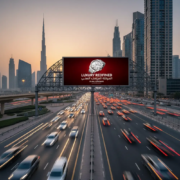
Sheikh Zayed Road (SZR) is the lifeline of the United Arab Emirates, a massive artery connecting the towering skyscrapers of Dubai to the industrial hubs and residential sectors. For Dubai businesses, securing a spot on one of the many massive hoardings or digital screens along this highway is a symbol of prestige and a massive investment in visibility. However, simply having a presence on the most famous road in the Middle East does not guarantee success. Hundreds of thousands of cars pass these signs daily, yet many brands find their ROI lacking. If your message is being ignored by the fast-moving commuters, it is time to analyze why your billboard design on Sheikh Zayed Road is failing. In a landscape where the competition for attention is fierce, even small mistakes in visual hierarchy or messaging can render a million-dirham campaign invisible.

The UAE market is unique. It is a melting pot of cultures, languages, and aesthetic preferences. What works in London or New York might fall flat in the Abu Dhabi market or amongst Sharjah brands. Success requires a deep understanding of local consumer behavior and the physical environment of the Gulf. From the blinding desert sun to the high speeds of modern traffic, the variables are many. To stand out, you need more than just a big sign; you need a strategic masterpiece that respects the constraints of out-of-home (OOH) advertising in a high-speed environment.

1. Overcrowding the Visual Space with Too Much Information

The most common mistake seen on SZR is the attempt to treat a billboard like a brochure. Many UAE companies feel the need to include their entire product list, three phone numbers, a physical address, and several social media icons. On a highway where cars are moving at 100 to 120 km/h, the audience has roughly five to seven seconds to process your message. If your billboard design on Sheikh Zayed Road is failing, it is likely because you are asking the viewer to do too much work.

Effective OOH advertising relies on the “six-word rule.” While this is not a hard limit, it serves as a guideline for clarity. Your headline should be punchy and readable at a glance. When you clutter the space with secondary text, you dilute the primary message. The human brain, when traveling at high speeds, prioritizes simple shapes and high-contrast text. By stripping away the fluff and focusing on a single, powerful idea, you ensure that your brand stays top-of-mind. If you are struggling to simplify your message, seeking professional billboard design can help you distill your brand essence into a single, high-impact visual.

2. Poor Color Contrast and Ignoring the Dubai Sun

The environmental conditions in the United Arab Emirates play a significant role in how designs are perceived. The harsh, bright sunlight during the day can wash out pastel colors and low-contrast combinations. Conversely, at night, the neon glow of the city can interfere with poorly lit static boards. If your design uses light gray text on a white background or dark blue on black, it will be unreadable for a significant portion of the day.

High contrast is the secret to visibility on SZR. Think of iconic brands that use bold yellows, deep reds, or stark blacks and whites. These colors cut through the visual “noise” of the desert landscape and the surrounding architecture. Artsun advertising agency emphasizes that color psychology must be paired with environmental physics. A design that looks beautiful on a backlit computer screen in a dark office may look entirely different when printed on a massive vinyl sheet under the 40-degree Celsius Dubai sun. You must test how your colors interact with both natural and artificial light to ensure your message remains vibrant 24/7.

3. Lack of Cultural Relevance and Localization

Dubai is a global city, but it is also the heart of the Arab world. One of the reasons a billboard design on Sheikh Zayed Road is failing is often a lack of cultural nuance. Many international brands make the mistake of using generic stock imagery that does not resonate with the local population. To truly capture the attention of Dubai businesses and residents, your visuals should reflect the lifestyle, values, and diversity of the region.

Language is another critical factor. While English is widely used in business, Arabic is the soul of the UAE. A bilingual approach is often necessary, but it must be executed with balance. If the Arabic typography is treated as an afterthought or if the translation is clunky, it can alienate a massive segment of the Abu Dhabi market and Sharjah brands. Localization is not just about translation; it is about transcreation—adapting the message so it carries the same emotional weight in both languages. Without this connection, your billboard becomes just another piece of background scenery that people ignore on their daily commute.

4. Using Low-Quality or Generic Imagery

On a canvas that can be 20 or 30 meters wide, every pixel counts. Using low-resolution images or generic stock photos is a surefire way to damage your brand’s reputation. When an image is enlarged to billboard size, every imperfection—from compression artifacts to poor lighting—becomes glaringly obvious. If your imagery looks “cheap,” the audience will subconsciously associate that quality with your products or services.

To succeed in the luxury-driven environment of the UAE, you need bespoke, high-end visuals. This is why many successful campaigns invest heavily in advertising photo shooting to create unique assets that cannot be found on a stock website. Whether it is a sleek architectural shot or a high-fashion model, the quality must be world-class. Artsun advertising agency knows that in a city defined by “the biggest” and “the best,” your visual assets must meet that same standard to be taken seriously by the elite consumers of Dubai and Abu Dhabi.

5. An Invisible or Confusing Call to Action (CTA)

What do you want the driver to do after seeing your billboard? This is where many campaigns fall apart. A common reason your billboard design on Sheikh Zayed Road is failing is the absence of a clear, actionable next step. While billboards are primarily a branding tool, they should still guide the consumer toward a conversion path. However, in the UAE, the CTA must be designed for safety and speed.

Expecting a driver to write down a long URL or a mobile number while navigating traffic is unrealistic. Modern digital marketing in UAE has evolved to use more clever CTAs. This might include a very short, memorable vanity URL, a simple search term (e.g., “Search [Brand Name]”), or even a large, recognizable logo that leads them to your web design services in Dubai once they are off the road. The goal of the billboard is to trigger a memory or an intent that the consumer will act upon later. If your CTA is too small, too complex, or missing entirely, you have wasted your most valuable advertising real estate.

6. Poor Typography and Readability Issues

Typography is the silent engine of billboard success. You could have the most beautiful image in the world, but if your font is illegible, the message is lost. Many designers choose “pretty” fonts—thin scripts or overly decorative typefaces—that disappear when viewed from a distance or at an angle. If your billboard design on Sheikh Zayed Road is failing, check your font weight and kerning.

San-serif fonts with thick strokes are generally the best choice for OOH advertising. You also need to consider the “stacking” of your text. Horizontal text is much easier for the human eye to track than vertical or slanted text. Additionally, the spacing between letters (kerning) needs to be wider than usual; at a distance, letters tend to bleed together. Ensuring that your brand name is presented with an impactful logo design that remains legible even in motion is a fundamental requirement for highway advertising. If commuters can’t read who you are, they won’t know who to buy from.

The Importance of Viewing Distance

A billboard that looks great on a 27-inch monitor may be unreadable from 200 meters away. Designers must account for the scale. The headline should be the largest element, followed by the brand mark. Everything else is secondary. In the fast-paced environment of SZR, if you try to make everything big, nothing stands out. You must create a hierarchy that leads the eye naturally from the hook to the brand.

7. Inconsistent Branding and Frequency

A single billboard, no matter how well-designed, rarely changes a consumer’s mind overnight. Marketing is about repetition. However, if your billboard design on Sheikh Zayed Road is failing, it might be because it feels disconnected from the rest of your marketing efforts. Your SZR presence must be an extension of your full-service creative solutions across all platforms.

Consistency in colors, fonts, and tone of voice ensures that when a customer sees your ad on the highway, then sees a post on social media, and finally visits your website, they feel a sense of familiarity. In the competitive landscape of UAE companies, brand recall is everything. If your billboard looks like it belongs to a different company than your Instagram page, you are confusing your audience. Furthermore, placement matters. Strategic repetition across Dubai, Sharjah, and Abu Dhabi helps solidify your position as a market leader. This is a strategy used by a leading agency in the region to ensure that brand messaging is cohesive and omnipresent.

How to Fix a Failing Billboard Strategy

If you realize your current campaign isn’t hitting the mark, don’t panic. The first step is to conduct a “drive-by test.” Have someone who hasn’t seen the design look at it for exactly five seconds and then ask them what the brand was and what the message was. If they can’t answer, your design is too complex. Simplifying the visual, boosting the contrast, and sharpening the CTA can often turn a failing campaign into a success.

Furthermore, consider the transition to digital billboards if your budget allows. Digital OOH (DOOH) on SZR allows for movement and dynamic content, which can be much more effective at catching the eye than static images. However, the same rules of simplicity and legibility apply. Whether static or digital, the core of your strategy should be focused on the user’s experience behind the wheel. By prioritizing the driver’s perspective, you can transform your billboard from a blur on the horizon into a landmark of your brand’s success.

Frequently Asked Questions

How much text should be on a billboard on Sheikh Zayed Road?

Ideally, you should aim for six to seven words or fewer. Since drivers are moving at high speeds, they only have a few seconds to digest your message. Focus on one strong headline and a clear brand logo.

Should I use English or Arabic for my UAE billboard?

In most cases, a bilingual approach is best for Dubai and Abu Dhabi. This ensures you reach both the local Emirati population and the large expatriate community. However, the design must be balanced so that neither language feels crowded or secondary.

What is the “6-second rule” in billboard design?

The 6-second rule states that a billboard should be able to communicate its entire message within six seconds. This is the average time a driver has to look at an ad while maintaining focus on the road. If it takes longer than that to understand, the design is too complex.

Can I use QR codes on highway billboards?

Generally, no. Using QR codes on high-speed highways like SZR is a safety hazard and is physically impossible for a driver to scan. QR codes are better suited for “pedestrian” OOH, such as at bus stops, in malls, or at metro stations.

How often should I change my billboard design?

To avoid “ad fatigue,” it is recommended to refresh your creative every 3 to 6 months. While your core branding should remain consistent, updating the imagery or the specific offer keeps the audience engaged and prevents them from tuning out your ad as part of the background scenery.

Conclusion

Mastering the art of billboard advertising in the UAE requires a blend of creative brilliance and practical logic. If your billboard design on Sheikh Zayed Road is failing, it is likely due to a lack of focus, poor technical execution, or a failure to adapt to the local environment. By simplifying your message, prioritizing high-contrast visuals, and ensuring cultural relevance, you can capture the attention of millions of potential customers. In a region as dynamic as the Middle East, staying relevant means being bold, clear, and consistent.

If you are ready to elevate your brand’s presence and ensure your investment delivers results, it is time to partner with experts who understand the nuances of the local market. Whether you are targeting Dubai businesses or looking to expand among Sharjah brands, a well-executed OOH strategy is your ticket to growth. Contact Artsun advertising agency today to transform your vision into a high-impact reality that commands attention on the most famous road in the world.
Best Restaurant Menu Design Trends That Increase Customer Spending


Best Restaurant Menu Design Trends That Increase Customer Spending

The culinary landscape in the United Arab Emirates is one of the most competitive in the world. From the Michelin-starred establishments in Downtown Dubai to the trendy bistros in Abu Dhabi and the family-owned gems in Sharjah, restaurateurs are constantly seeking ways to stand out. While food quality and service are paramount, the menu is your primary sales tool. Understanding and implementing the Best Restaurant Menu Design Trends That Increase Customer Spending is no longer an option; it is a necessity for survival and growth in the UAE market. A menu is not just a list of items and prices; it is a psychological map designed to guide guests toward high-margin items while enhancing their overall dining experience.

For Dubai businesses, the physical or digital menu is the first point of interaction that sets expectations. By leveraging neuro-marketing techniques and aesthetic trends, owners can subtly influence how much a guest is willing to pay. This article explores the most effective design strategies tailored for the unique demographic of the UAE, ensuring your brand resonates with both locals and tourists alike.

The Power of the Golden Triangle in Menu Layout

One of the most enduring and effective concepts in restaurant engineering is the “Golden Triangle.” When customers look at a menu, their eyes typically move to the center first, then to the top right, and finally to the top left. This triangular pattern is where your most profitable items should reside. In the high-stakes environment of the Abu Dhabi market, where diners expect luxury and efficiency, placing signature dishes within this triangle can significantly boost the average check size.

By positioning high-margin appetizers or premium main courses in these focal points, you capitalize on natural human behavior. It is important to avoid cluttering these areas. Instead, use negative space to allow these items to “breathe,” making them appear more exclusive and desirable. When UAE companies implement this layout correctly, they often see an immediate shift in ordering patterns, moving away from low-margin staples toward the chef’s specialties.

Visual Storytelling Through Professional Photography

In the age of Instagram and TikTok, diners in the UAE eat with their eyes long before the food reaches the table. High-quality imagery is perhaps the most direct way to trigger a craving. However, there is a fine line between an appetizing photo and one that looks cheap or cluttered. Using professional food and cafe photography is essential for creating a menu that commands higher prices. One well-placed, high-definition image of a signature dish can increase its sales by up to 30%.

For Sharjah brands and Dubai-based eateries, the trend is moving toward “lifestyle” food photography. This means showing the dish in its environment—perhaps with a soft-focus background of the restaurant’s interior or hands reaching for a piece of bread. This creates an emotional connection and a sense of “FOMO” (fear of missing out). Artsun advertising agency specializes in capturing these moments, ensuring that every shimmer of oil or wisp of steam translates into a sale.

Psychological Pricing and the Removal of Currency Symbols

The way you display prices can have a profound impact on customer spending. A growing trend among top-tier restaurants in the UAE is the removal of the “AED” or “$” symbol. When guests see a currency sign, it triggers the “pain of paying” in the brain. By simply listing the number—for example, “85” instead of “85 AED”—the focus shifts from the cost to the item itself. This is one of the Best Restaurant Menu Design Trends That Increase Customer Spending because it softens the financial impact of the choice.

Furthermore, “price nesting”—where the price follows the item description in the same font size rather than being aligned in a column on the right—prevents customers from “price scanning.” When prices are aligned, customers tend to look for the cheapest number and then read what the item is. By nesting the price, you force the guest to read the delicious description first, building value before they even see the cost.

The Rise of Minimalist Design and Sensory Typography

The “less is more” philosophy is dominating the modern restaurant scene in Dubai and Abu Dhabi. A cluttered menu leads to “choice paralysis,” where a guest feels overwhelmed and defaults to the cheapest or most familiar option. By limiting the number of items per category—ideally no more than seven—you guide the guest toward a quicker, more confident decision. Minimalist design often involves plenty of white space, clean lines, and sophisticated typography.

Typography itself plays a massive role in brand perception. Bold, serif fonts can denote tradition and reliability, while sleek, sans-serif fonts suggest modernity and innovation. For restaurants aiming to establish a strong identity, distinctive logo design services should inform the typography used throughout the menu. Consistency between your logo, your menu, and your interior decor builds trust, and trust allows for premium pricing. Artsun advertising agency understands that a menu is an extension of a brand’s soul, and every font choice must reflect that.

Using Descriptive Language to Build Perceived Value

The words you use to describe a dish can literally change how it tastes to a guest. Research shows that descriptive labels can increase sales by nearly 27%. Instead of “Grilled Chicken,” a more effective description for the UAE market might be “Flame-Grilled Corn-Fed Chicken with Za’atar Infusion and Smoked Garlic Jus.” This level of detail justifies a higher price point by highlighting the quality of ingredients and the complexity of the preparation.

For Sharjah brands targeting health-conscious or culturally diverse diners, mentioning the origin of ingredients (e.g., “Organic Al Ain Greens” or “Hand-Picked Mediterranean Olives”) adds a layer of authenticity. This technique, known as “sensory branding,” creates a vivid mental image for the diner, making the eventual meal feel like an experience rather than just a transaction. Digital marketing in UAE often focuses on these storytelling elements to drive engagement, and the menu is the ultimate platform for this narrative.

Digital Integration and the Evolution of QR Code Menus

While physical menus offer a tactile luxury, digital menus have become a staple for Dubai businesses following the global pandemic. However, the trend has evolved from simple PDFs to interactive, mobile-optimized experiences. A well-designed digital menu can include video clips of the kitchen, links to social media, and even allergen filters. To maximize the impact of these digital assets, many restaurants are investing in social media management for restaurants to ensure their online presence matches their physical menu’s quality.

The advantage of a digital menu is the ability to change prices or highlight “Daily Specials” instantly. You can use data analytics to see which items are being clicked the most and adjust your layout accordingly. Integrating high-quality visuals into these digital platforms is crucial. If a customer scans a QR code and sees a blurry photo, the perceived value of the restaurant drops instantly. In the fast-paced Abu Dhabi market, speed and visual clarity in digital menus are key drivers of customer satisfaction and increased spend.

Why Expert Guidance is Essential for Menu Engineering

Creating a high-performing menu requires a blend of culinary knowledge, psychological insight, and graphic design expertise. This is where expert restaurant menu design becomes an invaluable investment. A professional agency can conduct a menu engineering audit, categorizing your dishes into “Stars” (high popularity, high profit), “Plowhorses” (high popularity, low profit), “Puzzles” (low popularity, high profit), and “Dogs” (low popularity, low profit). Each category requires a different design strategy to maximize total revenue.

Restaurateurs often make the mistake of designing menus based on personal preference rather than data-driven trends. By partnering with creative marketing experts in the UAE, you ensure that every element of your menu—from the paper weight to the hex code of the highlights—is optimized for the local market. Whether you are a startup in a Dubai free zone or an established hospitality group in Sharjah, professional menu design is the bridge between a good meal and a profitable business.

Frequently Asked Questions About Menu Design

How often should I update my restaurant menu design?

It is recommended to review your menu engineering every six months. While you may not need a full redesign, adjusting prices, highlighting seasonal items, and removing underperforming dishes keeps the menu fresh. A complete aesthetic redesign should happen every 1–2 years to stay aligned with the latest Best Restaurant Menu Design Trends That Increase Customer Spending.

Do photos really increase spending, or do they look “cheap”?

Photos increase spending only if they are of professional quality. In high-end UAE restaurants, the trend is to use one or two stunning photos for the entire menu or a specific section rather than a photo for every item. This maintains an air of elegance while still providing the visual stimulation needed to drive sales.

What colors are best for increasing appetite?

Warm colors like red, orange, and yellow are known to stimulate appetite and create a sense of urgency. However, in the luxury Dubai market, earth tones, gold, and deep greens are often used to convey sophistication and high value. The key is to balance appetite stimulation with brand identity.

Is a one-page menu better than a multi-page menu?

For most modern concepts, a single-page menu (or a bi-fold) is superior because it prevents choice overload. It allows the guest to see the entire offering at once, making it easier for them to compare items and for you to guide them toward the “Golden Triangle.”

Conclusion: Turning Your Menu into a Profit Machine

The menu is the silent salesperson of your restaurant. By embracing the Best Restaurant Menu Design Trends That Increase Customer Spending, you can transform a simple list of food into a powerful tool for revenue growth. From the strategic placement of items in the Golden Triangle to the use of professional food photography and sensory descriptions, every detail matters. In the competitive landscape of the UAE, where diners have endless choices, a well-designed menu provides the edge needed to capture attention and maximize profit.

If you are ready to elevate your brand and see a tangible increase in your average check size, it is time to consult with the experts. Artsun advertising agency offers comprehensive professional advertising solutions that encompass everything from menu engineering to visual branding. Don’t leave your profit to chance—optimize your menu today and watch your restaurant thrive in the vibrant markets of Dubai, Abu Dhabi, and beyond.


9 Catalog Design Rules to Boost Your B2B Sales Instantly


9 Catalog Design Rules to Boost Your B2B Sales Instantly

In the high-stakes world of business-to-business (B2B) commerce, the catalog remains one of the most powerful tools in a sales professional’s arsenal. While digital transformation has swept through every industry, the tangible or well-structured digital catalog continues to serve as a definitive reference point for buyers. For companies operating in competitive markets, a catalog is not just a list of products; it is a brand statement, a silent salesman, and a critical touchpoint in the long B2B purchasing cycle. The effectiveness of this tool, however, hinges entirely on its design and strategic execution. A poorly designed catalog can confuse potential clients, hide your best-selling items, and ultimately lead to lost revenue. Conversely, a masterfully crafted catalog can streamline the decision-making process and significantly increase order values.

For Dubai businesses, where luxury and professionalism are the standard, the visual appeal and functional layout of marketing materials are non-negotiable. Whether you are distributing a physical book at a trade show at the Dubai World Trade Centre or emailing a PDF to a procurement manager in Abu Dhabi, your catalog must command attention. In this comprehensive guide, we will explore nine essential rules of catalog design that are specifically tailored to the B2B sector, ensuring your products are showcased in a way that drives immediate interest and long-term loyalty.

1. Understanding the B2B Purchasing Psychology in the UAE

Before moving into the technicalities of layout and color, it is crucial to understand who is reading your catalog. B2B buyers in the UAE market, ranging from project managers in Sharjah to hospitality directors in Dubai, operate differently than B2C consumers. B2B purchases are driven by logic, efficiency, and long-term value rather than impulse. Therefore, your catalog design must prioritize clarity and information accessibility. The Abu Dhabi market, for instance, often involves large-scale industrial or governmental contracts where technical specifications are just as important as aesthetics.

To succeed, your design should reflect a deep understanding of these professional needs. This means categorizing products logically, providing detailed technical data, and ensuring that the overall look conveys reliability. When a buyer opens your catalog, they should immediately feel that they are dealing with a market leader. This sense of trust is built through professional-grade visuals and a structured flow that respects the buyer’s time. By aligning your design with the local business culture, you position your brand as a solution provider rather than just a vendor.

2. Establish a Strong Visual Hierarchy

Visual hierarchy is the arrangement of elements in a way that implies importance. In catalog design, you cannot give every product the same level of prominence. If everything is shouting for attention, nothing gets heard. A successful B2B catalog uses size, color, and placement to guide the reader’s eye toward “hero products” or high-margin items. This is particularly important for UAE companies that often have vast inventories; without a clear hierarchy, the reader becomes overwhelmed.

Use larger images and bolder typography for your flagship products. Create focal points on each page to prevent “visual fatigue.” A common mistake is crowding too many items onto a single spread. Instead, utilize white space to give your products room to breathe. This not only makes the catalog look more premium but also helps the reader focus on the details that matter. For those seeking professional assistance, Artsun advertising agency specializes in creating balanced layouts that maximize engagement and conversion rates.

The Rule of Thirds and Eye Tracking

In the context of a catalog spread, the “F-pattern” of reading is still highly relevant. Most readers will scan the top of the page, then move down and across. Place your most important information—such as new arrivals or limited-time offers for the Sharjah brands—in these high-traffic visual zones. By understanding how the human eye moves across a printed or digital page, you can strategically place calls-to-action (CTAs) where they are most likely to be seen.

3. Prioritize High-Quality Product Photography

In B2B sales, your catalog is often the only way a buyer can “see” the product before placing a massive order. If your images are grainy, poorly lit, or inconsistent, you are essentially telling the buyer that your products are of low quality. This is where many businesses fail to compete in the sophisticated UAE market. Investing in high-quality commercial photography is not an expense; it is a vital investment in your sales infrastructure.

Images should be sharp, color-accurate, and shown from multiple angles if necessary. For industrial products, “exploded views” or close-ups of technical components can be incredibly persuasive. For lifestyle-oriented B2B brands, such as furniture suppliers for Dubai hotels, showing the product in a real-world setting helps the buyer visualize it in their own project. Consistency is key—ensure that lighting and backgrounds remain uniform throughout the catalog to maintain a professional look that reflects the standards of a top-tier creative agency in Dubai.

4. Consistent Branding and Identity

Your catalog is a flagship piece of your brand identity. It should be instantly recognizable as belonging to your company. This means using your brand colors, fonts, and tone of voice consistently from the cover to the final page. For UAE businesses, brand recognition is a major factor in long-term B2B relationships. A catalog that feels disconnected from your website or your office’s physical branding creates “cognitive dissonance,” which can erode trust.

This consistency starts with a professional logo design that is prominently yet tastefully placed. The fonts you choose should be legible and professional—avoid overly decorative typefaces that might work for a fashion magazine but fail in a corporate B2B context. Your brand’s “personality” should shine through the copywriting as well. Whether your tone is authoritative and technical or innovative and visionary, it must remain steady throughout the entire document.

5. Strategic Use of Product Descriptions and Data

While images capture attention, data closes the deal in B2B. Unlike B2C catalogs that rely on emotional adjectives, B2B catalogs must provide hard facts. This includes dimensions, materials, weight, power ratings, and compliance certifications. In the UAE, where international standards are strictly followed, highlighting certifications like ISO or CE can be a major competitive advantage. Organize this data into easy-to-read tables or bullet points.

However, do not let the technical data become dry. The best B2B catalogs combine technical specs with benefit-driven copy. Instead of just listing a machine’s RPM, explain how that speed translates to increased production efficiency for the client’s business. This approach speaks directly to the procurement officer’s goals. If you are launching a new range of products, consider using bespoke catalog design services to ensure that the balance between “data” and “persuasion” is handled correctly.

The Importance of Indexing and Searchability

A 200-page catalog is useless if the buyer cannot find what they need in under ten seconds. Include a comprehensive table of contents and a detailed index at the back. For digital catalogs, ensure that the PDF is bookmarked and that all SKU numbers are searchable. This functionality is a core part of digital marketing in UAE, where efficiency is highly valued by busy professionals.

6. Incorporate Social Proof and Case Studies

B2B buyers are risk-averse. They want to know that your products work in the real world and that other reputable companies trust you. Your catalog design should include sections or “call-out boxes” featuring testimonials, client logos, or brief case studies. Mentioning successful projects with other Dubai businesses or Abu Dhabi market leaders adds a layer of credibility that a product description alone cannot provide.

Including high-profile client logos on the inner cover or near relevant product categories serves as a “seal of approval.” If you have won industry awards in the UAE, feature those logos prominently. This psychological reinforcement reminds the buyer that they are making a safe, proven choice. Artsun advertising agency often recommends integrating these elements seamlessly into the design so they feel like a natural part of the narrative rather than an afterthought.

7. Bridging the Gap Between Physical and Digital

In today’s omnichannel environment, your catalog should not exist in a vacuum. It should be a gateway to your digital ecosystem. For printed catalogs, include QR codes that lead directly to product demonstration videos, assembly guides, or live pricing pages on your website. This is a crucial element of modern full-service advertising solutions, as it tracks how users interact with your offline materials.

Furthermore, ensure that your catalog’s digital version is optimized for all devices. Many buyers in the UAE will view your catalog on a tablet or smartphone during a site visit or a meeting. If your catalog is a digital-first product, consider how online visibility strategies can help people find your digital assets through search engines. Integrating your catalog into your broader SEO and social media strategy ensures that your investment reaches the widest possible audience across the Emirates.

8. High-End Printing and Finishing Techniques

If you are producing a physical catalog for the UAE market, the tactile experience is incredibly important. The weight of the paper, the texture of the cover, and the quality of the binding all communicate the value of your brand. In a city like Dubai, where luxury is part of the business fabric, a flimsy, cheaply printed catalog can actually damage your reputation. Consider premium finishes such as spot UV, foil stamping, or soft-touch lamination for the cover.

These finishing touches make your catalog “kept.” A high-quality book is more likely to stay on a manager’s desk or a showroom coffee table rather than being tossed in the recycling bin. This longevity means your brand stays top-of-mind for much longer. When designing for print, always work with experts who understand CMYK color profiles and bleed settings to ensure the final product matches the digital proof perfectly. This attention to detail is what separates average companies from industry leaders.

9. Clear and Compelling Calls to Action (CTAs)

Every page of your catalog should have a purpose, and that purpose should lead the reader toward a specific action. Many B2B catalogs make the mistake of assuming the buyer knows what to do next. Do they call a sales representative? Do they visit a specific URL? Do they email a quote request? Your design must make the “next step” incredibly obvious.

Use contrasting colors for your CTA buttons or boxes. Instead of a generic “Contact Us,” try more specific prompts like “Request a Technical Consultation” or “Download the Full Specification Sheet.” For Dubai businesses looking to close deals faster, providing a dedicated WhatsApp for Business link or a direct line to a regional sales manager in Abu Dhabi can drastically reduce the friction in the sales process. The goal of the catalog is to move the buyer from the “interest” phase to the “action” phase as smoothly as possible.

FAQ: Frequently Asked Questions About Catalog Design

How many pages should a B2B catalog be?

There is no fixed rule, but the catalog should be long enough to showcase your range comprehensively without becoming redundant. In the UAE market, quality always beats quantity. It is better to have a 40-page catalog of high-impact visuals and data than a 100-page book filled with low-quality images and filler text.

Is a digital catalog better than a printed one?

Both have their merits. Digital catalogs are cost-effective, easily updated, and environmentally friendly. However, printed catalogs offer a tactile experience that builds a stronger emotional connection and is often preferred for high-value B2B relationships in regions like Dubai and Abu Dhabi. A hybrid approach is usually the most effective.

How often should I update my catalog design?

In fast-moving industries, an annual update is standard. However, if your product line changes frequently, a digital-first catalog that can be updated in real-time is preferable. Even if your products don’t change, refreshing the design every two years keeps your brand looking modern and relevant to Sharjah brands and other UAE competitors.

What is the most important element of a catalog cover?

The cover must feature your most compelling product or a visual that encapsulates your brand’s core value proposition. It needs a clear title, your logo, and a “hook”—such as “2024 Industrial Solutions Collection”—to encourage the reader to open the book.

Conclusion: Transforming Your Catalog into a Sales Engine

Mastering the art of catalog design is an ongoing process of refining your message and understanding your audience’s evolving needs. By following these nine rules, you can move beyond a simple list of products and create a persuasive marketing tool that resonates with the sophisticated B2B landscape of the United Arab Emirates. From the initial visual hierarchy to the final high-end print finish, every detail counts in building the trust necessary to secure large-scale contracts and long-term partnerships.

Whether you are a startup in a Dubai incubator or an established enterprise in the Abu Dhabi industrial zone, your catalog is often the face of your company. Don’t leave its design to chance. If you are ready to elevate your brand and boost your B2B sales, contact the experts who understand the local market. Let your catalog be the reason your next big client chooses you over the competition. Investing in professional design today is the fastest way to ensure a more profitable tomorrow for your business in the UAE.


How to Design the Best Logo for a Dubai Startup in 7 Days


How to Design the Best Logo for a Dubai Startup in 7 Days

Launching a new venture in the most dynamic business hub of the Middle East requires more than just a great idea; it demands a visual identity that commands attention. For many Dubai businesses, the first point of contact with a potential customer is the brand logo. In a city where luxury meets innovation, your visual mark must communicate trust, quality, and local relevance instantaneously. If you are an entrepreneur looking to make your mark, understanding how to design the best logo for a Dubai startup in 7 days can be the difference between blending in and standing out in a crowded marketplace. This rapid design sprint is not about cutting corners but about focused, strategic execution that aligns with the fast-paced nature of the United Arab Emirates business ecosystem.

The urgency of the UAE market means that speed-to-market is a competitive advantage. Whether you are targeting the high-end Abu Dhabi market or the creative sectors of Sharjah, your brand needs to look established from day one. A seven-day timeline is ambitious, but with a structured approach, it is entirely possible to create a world-class emblem that resonates with both local and international audiences. This guide will walk you through the essential steps to achieve a professional-grade brand identity within a single week, ensuring your startup is ready for the intense digital marketing in UAE that follows a successful launch.

Understanding the UAE Market Context for Branding

Before any digital pen hits the canvas, you must understand the unique cultural and commercial landscape of the region. UAE companies operate in a multicultural environment where design aesthetics often blend traditional Arabic motifs with sleek, futuristic minimalism. What works for a tech startup in Silicon Valley might not translate effectively for Sharjah brands or luxury firms in Dubai. The regional palette often favors colors that represent prosperity, growth, and heritage—think deep greens, shimmering golds, and desert sands, though modern tech brands are increasingly leaning toward bold, neon gradients to reflect the city’s nocturnal energy.

Furthermore, your logo must be versatile. It needs to look just as impressive on a massive billboard along Sheikh Zayed Road as it does on a small smartphone screen. This is where professional logo design services become invaluable. Designing for a local audience also means considering bilingualism. Many successful startups in the region incorporate both English and Arabic typography into their marks, ensuring they appeal to the diverse demographic that makes up the UAE population. This initial phase of understanding your surroundings sets the foundation for the entire 7-day design sprint.

Day 1: Research, Audit, and Creative Briefing

The first day is dedicated entirely to discovery. You cannot know how to design the best logo for a Dubai startup in 7 days without first knowing what your competitors are doing. Conduct a thorough audit of the local landscape. If you are entering the fintech space, look at how the leading banks and apps in the DIFC (Dubai International Financial Centre) present themselves. If you are in the hospitality sector, observe the visual language used by the major players in the Abu Dhabi market. Identify the common colors, fonts, and symbols used in your industry and decide whether you want to follow these conventions to signal “safety” or break them to signal “innovation.”

By the end of Day 1, you should have a rock-solid creative brief. This document should outline your brand’s mission, its target audience, and the primary emotions you want the logo to evoke. Are you a premium service or an affordable solution? Is your brand heritage-driven or future-focused? Answering these questions early prevents “creative drift” later in the week. Many entrepreneurs also realize at this stage that their logo is just the beginning of their digital journey, often planning ahead for a comprehensive online presence that matches their new visual identity.

Day 2: Concept Development and Mood Boarding

On the second day, shift from analytical research to visual inspiration. Create a mood board that captures the “vibe” of your startup. This should include textures, color swatches, architectural elements from the Dubai skyline, and examples of typography that align with your brand personality. The goal here is to establish a visual direction without getting bogged down in specific logo details yet. For many UAE startups, this is the phase where the fusion of “Old World” and “New World” begins to take shape. You might find yourself drawn to the geometric patterns of Islamic art or the clean lines of modern skyscrapers.

Concept development should result in at least three distinct directions. For instance, Direction A could be purely typographic (a wordmark), Direction B could be an abstract symbol representing speed or growth, and Direction C could be a literal representation of your product or service. This variety is crucial because the Dubai market is highly visual and diverse. By exploring different avenues, you ensure that you aren’t just following a trend but building something with longevity. If you find this process overwhelming, partnering with a growth-oriented services provider can help distill your ideas into a cohesive strategy.

Day 3: Sketching and Initial Drafting

Day 3 is where the heavy lifting begins. Put away the computer and start with pencil and paper. Sketching allows for a faster flow of ideas and prevents you from getting distracted by software tools. Draw dozens of iterations of your chosen concepts from Day 2. Don’t worry about perfection; focus on shape, balance, and symbolism. Think about how the logo will appear to a local consumer in Sharjah versus a tourist in Dubai. The simplicity of a logo is its strength; some of the most iconic marks in the world can be drawn from memory in seconds.

Once you have a handful of strong sketches, it is time to bring them into a digital environment like Adobe Illustrator. Artsun advertising agency often emphasizes that vectorization is a critical step because it ensures your logo can be scaled to any size without losing quality. During this digital drafting phase, you should focus strictly on black and white. If a logo doesn’t work in black and white, it won’t work in color. This “form-first” approach ensures that the core geometry of your brand mark is solid and recognizable across various mediums.

Day 4: Color Theory and Typography Selection

Now that the form is finalized, Day 4 focuses on breathing life into the design through color and type. In the UAE, color psychology is paramount. Blue often represents trust and corporate stability, while gold is synonymous with luxury and excellence—a favorite for many high-end Dubai businesses. Green is frequently used to represent sustainability and national pride. Choosing the right typography is equally vital. If your brand name is written in English, consider how it will look alongside Arabic script. The two languages should feel like part of the same family, balanced in weight and style.

When selecting fonts, avoid overly decorative typefaces that might become illegible at small sizes. Instead, opt for clean sans-serifs for a modern tech feel or elegant serifs if you are positioning your startup as a premium heritage brand. This is the stage where the logo truly starts to feel like a “brand.” You should also consider how these colors and fonts will translate to other marketing channels. For example, consistent branding is essential for maintaining professional engagement on social platforms, where your logo will act as your profile’s digital face.

Day 5: Refining and Local Testing

By Day 5, you should have one or two “near-final” versions of your logo. Now is the time to test them. Don’t just show them to your friends and family; show them to people who fit your target demographic in the UAE. Ask for honest feedback. Does the symbol mean something unintended in a local cultural context? Is the Arabic script correctly rendered and calligraphically sound? This is a common pitfall for many international firms entering the Abu Dhabi market—they often use “machine-translated” or poorly stylized Arabic that can appear disrespectful or amateurish.

Refinement also involves looking at the “negative space” and the spacing (kerning) between letters. Every millimeter counts. A professional logo should feel balanced and “mathematically” correct. If you are struggling to get that polished look, remember that Artsun advertising agency specializes in refining these nuances to meet the high standards expected by Sharjah brands and Dubai investors. Take the feedback from your testing phase and make the necessary adjustments to ensure the logo is perfect from every angle.

Day 6: Finalizing Assets and Mockups

The penultimate day is about preparing your logo for the real world. A logo never exists in a vacuum; it lives on business cards, websites, app icons, and office signage. Create a series of high-quality mockups to see how the design performs in its natural habitat. See how it looks on a storefront in the Dubai Mall or on a delivery van navigating the streets of Abu Dhabi. This visualization helps you catch any final issues with legibility or impact that might not have been apparent on a white screen.

On Day 6, you also need to ensure you have multiple versions of the logo: a primary version, a simplified version for small spaces, a vertical version, and a horizontal version. This flexibility is what separates amateur designs from professional brand identities. If you plan on producing physical marketing materials, consider how the logo will look on printed marketing materials such as brochures or product catalogs. High-resolution files and a clear understanding of color profiles (CMYK for print and RGB for digital) are essential deliverables for this stage.

Day 7: Documentation and Handoff

On the final day of the sprint, you must create a “Brand Style Guide.” This document is the rulebook for how your logo should be used. It should specify the exact color codes (Hex, RGB, CMYK, and Pantone), the fonts used, and the “exclusion zone” (the minimum amount of clear space around the logo). It should also demonstrate “incorrect” uses—such as stretching the logo or changing its colors—to ensure that anyone you hire in the future for digital marketing in UAE maintains the integrity of your brand.

With your style guide and final file package (including AI, EPS, PNG, and SVG formats), your startup is officially ready for launch. You have successfully navigated the process of how to design the best logo for a Dubai startup in 7 days. This quick turnaround doesn’t just save time; it creates a momentum that carries your business through the difficult early stages of market entry. By partnering with an expert design partner, you ensure that this foundation is strong enough to support years of growth and expansion across the Emirates.

The Importance of a Strong Visual Identity in the UAE

In the UAE, where the economy is transitioning toward a digital-first future, a logo serves as a bridge between a company and its consumers. The sheer volume of new businesses in the Dubai and Abu Dhabi markets means that consumer attention is a scarce commodity. A well-designed logo functions as a shorthand for your brand’s values, quality, and reliability. When a customer sees a professional, culturally-attuned mark, their brain instantly associates it with a higher level of service. Conversely, a weak or confusing logo can lead potential clients to question the legitimacy of a startup, regardless of how good the underlying product is.

Scaling Your Brand Beyond the Logo

Once the 7-day sprint is complete, the logo becomes the cornerstone of your entire marketing strategy. It will dictate the look of your website, the tone of your social media advertisements, and the design of your physical space. For UAE companies, this consistency is vital because consumers here are highly brand-conscious. They value aesthetics and often choose brands that reflect their own aspirations. Your logo is the first step in building that long-term relationship. As you move from the design phase into active marketing, remember that your visual identity is an asset that appreciates in value the more it is consistently and correctly applied across all touchpoints.

Frequently Asked Questions

Can a professional logo really be designed in just 7 days?

Yes, but it requires a disciplined approach and clear communication. By following a structured daily plan—from research and sketching to testing and finalization—a high-quality logo can be produced. However, this timeline usually requires the dedicated focus of an experienced designer or an agency like Artsun advertising agency to ensure all cultural and technical nuances are handled correctly without delays.

Is it necessary to have an Arabic version of my logo for a Dubai startup?

While not strictly mandatory for every industry, having an Arabic version of your logo is highly recommended for any business targeting the local UAE market. It demonstrates respect for the local culture and ensures your brand is accessible to the entire population. A bilingual logo is often seen as a sign of a truly established and professional UAE company.

What are the most popular colors for logos in the Abu Dhabi and Dubai markets?

Luxury brands in the region often lean toward gold, black, and silver. Tech and innovation startups frequently use vibrant blues and purples. Traditional or government-linked entities often incorporate the colors of the UAE flag (red, green, white, and black). The choice of color should always align with your specific industry and the emotional response you want to elicit from your target audience.

What file formats do I need for my logo once it is finished?

You should receive both vector and raster files. Vector files (AI, EPS, SVG) are essential because they allow you to scale the logo to any size—from a business card to a billboard—without losing clarity. Raster files (PNG, JPG) are necessary for digital use, such as on your website and social media profiles. Ensure you also have versions with transparent backgrounds.

How much does a professional logo design cost in the UAE?

Costs can vary significantly depending on the complexity of the project and the experience of the designer. Freelance rates may be lower, but established agencies provide a more comprehensive service that includes market research, cultural auditing, and brand strategy. Investing in a high-quality logo early on is usually more cost-effective than having to rebrand a year later due to poor initial design.

Conclusion: Setting the Stage for Success

Designing the best logo for a Dubai startup in 7 days is an intense but rewarding challenge. It forces you to distill your brand’s essence into a single, powerful image that must compete in one of the world’s most vibrant economies. By focusing on local relevance, cultural sensitivity, and technical excellence, you create a visual anchor for your business that will serve you well into the future. Whether you are aiming for the Sharjah brands’ creative niche or the high-stakes Abu Dhabi market, your logo is the face of your ambition.

Don’t let your startup launch with anything less than a world-class identity. If you are ready to take your brand to the next level and need a partner who understands the intricacies of the UAE market, contact us today. Let our team of experts help you build a brand that resonates, inspires, and dominates the digital landscape. Your journey to becoming a household name in the UAE starts with a single, perfectly designed mark.


5 Secret Ingredients for the Best Food and Cafe Photo Shooting


5 Secret Ingredients for the Best Food and Cafe Photo Shooting

In the vibrant culinary landscape of the United Arab Emirates, where the dining scene is as diverse as the population itself, the visual representation of a brand can make or break its success. From the bustling streets of Dubai to the cultural heart of Sharjah and the sophisticated avenues of Abu Dhabi, food enthusiasts are constantly searching for their next aesthetic dining experience. In this digital-first era, a restaurant’s first impression often happens on a smartphone screen. Capturing the essence of a dish requires more than just a high-end camera; it demands a blend of artistry, technical precision, and a deep understanding of the local market. Creating a successful visual campaign involves uncovering the nuances that turn a simple meal into a craving. Whether you are a small startup or one of the major Dubai businesses, mastering the art of the 5 secret ingredients for the best food and cafe photo shooting is essential for standing out in a crowded marketplace.

The UAE market is exceptionally competitive, with new concepts launching every week. To thrive, UAE companies must invest in high-quality imagery that speaks to the luxury and quality expected by residents and tourists alike. Visual storytelling has become the primary language of digital marketing in UAE, and for cafes and restaurants, this means every pixel must serve a purpose. It is not just about the food; it is about the experience, the lighting, the textures, and the story behind the plate. As we dive into these secret ingredients, we will explore how professional techniques can elevate your brand and ensure your establishment becomes a landmark in the Abu Dhabi market and beyond.

Ingredient 1: Lighting—The Master of Mood and Texture

The first and most critical secret ingredient in any professional food photography session is lighting. In the context of a cafe photo shooting, lighting serves two purposes: it must make the food look appetizing and the environment look inviting. For many Dubai businesses, the goal is to capture that “Golden Hour” glow, which suggests a relaxed, luxurious atmosphere. Natural light is often the preferred choice for cafe settings because it provides a soft, organic feel that resonates with customers looking for a cozy spot to enjoy their morning coffee.

However, relying solely on natural light can be risky, especially during the harsh summer months in the UAE or for evening-centric dining brands. This is where professional artificial lighting comes into play. Skilled photographers use modifiers and diffusers to mimic the soft rays of the sun, ensuring that the highlights are crisp and the shadows are soft. High-quality lighting brings out the texture of the food—the glistening glaze on a pastry, the steam rising from a hot latte, or the fresh moisture on a salad leaf. Without the right lighting, even the most delicious dish can look dull and unappealing. By utilizing advertising photography services, brands can ensure their visuals are consistent across all platforms, regardless of the time of day the shoot takes place.

Balancing Natural and Artificial Sources

In the modern cafes of Sharjah and Abu Dhabi, interior design often features a mix of industrial and minimalist aesthetics. Capturing these interiors requires a delicate balance. One secret technique used by professionals is “filling” the shadows with reflectors to ensure that no detail is lost in the darker corners of the cafe. This approach creates a sense of depth and volume, making the viewer feel as though they could step right into the image.

Ingredient 2: Prop Styling and Cultural Context

The second secret ingredient is the meticulous selection of props and the consideration of cultural context. For Sharjah brands and UAE companies, incorporating elements that reflect local heritage alongside modern aesthetics is a powerful way to connect with the audience. Prop styling is not just about placing a fork next to a plate; it is about building a world around the product. This might include using handcrafted ceramics, linen napkins, or even raw ingredients like scattered coffee beans or fresh herbs to suggest quality and freshness.

In a professional setting, the choice of props is often guided by the overall branding strategy. For example, if a cafe aims for a high-end, luxury feel, the props should be sleek and minimalist. Conversely, a rustic, artisanal bakery might use wooden boards and vintage cutlery. This attention to detail extends to the design of the menu itself. Integrating a custom restaurant menu design into the photo shoot ensures that the physical and digital representations of the brand are perfectly aligned. When a customer sees a beautiful photo of a dish that matches the elegance of the menu they hold in their hand, it reinforces brand trust and quality.

The Rule of Thirds and Compositional Flow

Composition is the “secret sauce” that guides the viewer’s eye. Using the rule of thirds, leading lines, and negative space allows the photographer to highlight the hero of the shot—the food—while still showcasing the ambiance of the cafe. In a busy city like Dubai, where attention spans are short, a clean and well-composed image is more likely to stop the scroll on social media.

Ingredient 3: The “Human Touch” in Visual Storytelling

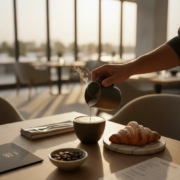
One of the most overlooked secret ingredients is the inclusion of the “human touch.” While static shots of food are beautiful, adding a human element can significantly increase engagement. This could be a hand pouring a sauce, a barista tamping coffee grounds, or a group of friends sharing a meal. This technique creates a sense of relatability and movement, making the viewer imagine themselves in the scene. In the highly social culture of the UAE, showing the interaction between people and food is vital.

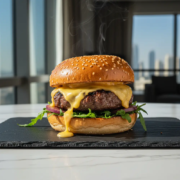
Artsun advertising agency understands that food is more than just sustenance; it is a social event. By capturing “action shots,” such as the pull of melting cheese or the steam from a freshly baked loaf of bread, photographers can evoke a sensory response from the audience. This type of specialized food and cafe photo shooting focuses on the “hero moment” of the dining experience. When these images are used in promotional materials, they tell a story of craftsmanship and hospitality that resonates deeply with the Abu Dhabi market and beyond.

Capturing the Process

Behind-the-scenes content is incredibly popular among UAE audiences. Showing the chef’s hands at work or the precision of a latte art pour adds a layer of authenticity. It proves to the customer that the food is prepared with care and skill, which is a major selling point for premium brands in Dubai and Sharjah.

Ingredient 4: Post-Production Excellence and Color Theory

The fourth secret ingredient happens after the camera is put away. Post-production is where the “magic” is refined. In the world of professional photography, editing is not about changing the reality of the food, but about enhancing its natural beauty to match how the human eye perceives it. Color theory plays a massive role here. For instance, warm tones are known to stimulate appetite, while cool tones can make a cafe look modern and clean.

For digital marketing in UAE, images must be optimized for various screens and lighting conditions. This includes color grading to ensure that the greens are vibrant, the browns are rich, and the whites are clean. Professional retouching removes minor distractions, like a stray crumb or a fingerprint on a glass, ensuring the final image is flawless. This level of detail is what separates amateur snapshots from professional marketing assets. Partnering with a creative marketing agency allows businesses to access these high-end editing suites and expertise, ensuring their brand looks its best on every platform, from Instagram to large-scale billboards.

Ingredient 5: Strategic Integration with Digital Marketing

The final secret ingredient is the strategic application of these visuals. The best photos in the world are useless if they are not seen by the right people. In the UAE, where social media usage is among the highest in the world, having a plan for your imagery is essential. This means the photos must be formatted correctly for different platforms, whether it is a vertical video for a Reel, a square post for a feed, or a high-resolution banner for a website.

Furthermore, these visuals should be backed by a strong social media support strategy. This includes using the right local hashtags, engaging with the community in Dubai and Abu Dhabi, and running targeted ad campaigns. Artsun advertising agency specializes in bridging the gap between high-quality content creation and effective distribution. By ensuring that every photo shoot is designed with the end goal in mind—whether that is increasing foot traffic to a Sharjah cafe or boosting online orders in Dubai—businesses can see a tangible return on their investment. Professional images act as the anchor for your entire digital presence, providing the credibility needed to compete at a high level.

Building a Consistent Brand Identity

Consistency is key to brand recognition. When your food photography, website design, and social media aesthetic all follow the same visual language, you build a stronger identity. This consistency makes your brand more memorable to consumers in the crowded UAE market, turning one-time visitors into loyal customers.

Why Local Expertise Matters for UAE Brands

The UAE is a unique market with its own sets of trends and consumer behaviors. What works in London or New York might not necessarily resonate with the Abu Dhabi market. Understanding local tastes—both in terms of food and visual style—is a secret ingredient in its own right. For example, there is a strong appreciation for luxury, abundance, and impeccable presentation in Dubai. In contrast, the Sharjah market may value tradition and family-oriented settings more highly.

By working with Artsun Studio, businesses can tap into this local knowledge. A team that understands the nuances of the UAE landscape can help tailor a photo shoot to appeal to specific demographics. Whether you are launching a trendy vegan cafe in Jumeirah or a traditional Emirati restaurant in Al Ain, the visual strategy must be aligned with the cultural expectations of your target audience. This localized approach is what allows UAE companies to build deep, lasting connections with their customers.

The Impact of Professional Photography on ROI

Many business owners hesitate to invest in professional photo shoots, viewing it as an unnecessary expense. However, the data suggests otherwise. High-quality visuals are directly linked to higher conversion rates, more social media shares, and increased brand value. In the world of food, we eat with our eyes first. A professional image can trigger a physical craving that an amateur photo simply cannot.

Consider the cost of a single photo shoot versus the long-term benefits of having a library of high-end assets. These images can be used for menus, websites, social media, delivery apps, and print advertisements for years to come. For any serious business among the many Dubai businesses, professional photography is not an expense; it is a vital investment in the brand’s future. It provides the “visual proof” of your quality, justifying your pricing and setting you apart from cheaper competitors who rely on low-quality imagery.

FAQ: Common Questions About Food and Cafe Photography

How long does a typical food and cafe photo shoot take?

A standard professional shoot can last anywhere from 4 to 8 hours, depending on the number of dishes and the complexity of the styling. For cafes, it is often best to schedule the shoot during off-peak hours to ensure the photographer has full access to the space without disturbing customers. This allows for a more controlled environment to capture the perfect lighting and composition.

What should I prepare before the photographer arrives?

Preparation is key to a successful shoot. Ensure that all ingredients are fresh and that the “hero” dishes can be prepared quickly. It is also helpful to have a “shot list” ready, detailing exactly which dishes, drinks, and interior angles you need. Having a clean and organized space in your Dubai or Sharjah location will also save time and result in better photos.

Can these photos be used for delivery apps like Deliveroo and Talabat?

Absolutely. In fact, using professional photography on delivery apps is one of the best ways to increase orders. In a sea of options, a vibrant, high-quality image will always stand out over a poorly lit mobile phone photo. Most apps have specific requirements for image size and background, which a professional team can easily accommodate.

Do I need a professional food stylist?

While many photographers are skilled at basic styling, a dedicated food stylist can take the visuals to the next level. Stylists use secret tools—like tweezers, brushes, and even non-edible substitutes—to ensure the food stays looking “perfect” under the hot studio lights for long periods. For high-stakes advertising campaigns, a stylist is highly recommended.

Conclusion: Crafting Your Visual Legacy

In the fast-paced and aesthetically driven markets of Dubai, Abu Dhabi, and Sharjah, your visual content is your most valuable ambassador. By mastering the 5 secret ingredients for the best food and cafe photo shooting—lighting, prop styling, the human touch, post-production, and strategic distribution—you can transform your culinary brand into a visual powerhouse. The UAE dining scene is not just about the taste; it is about the story you tell and the emotions you evoke through your imagery. High-quality photography provides the bridge between your kitchen and the customer’s plate, creating a desire that brings them through your doors.

Partnering with Artsun Studio, a premier comprehensive advertising solutions provider, ensures that your brand receives the attention to detail it deserves. From the initial concept to the final edited image, our team is dedicated to helping UAE companies shine. Don’t let your hard work in the kitchen go unnoticed due to poor visuals. Invest in your brand’s image today and watch as your engagement, customer loyalty, and revenue reach new heights. Whether you are looking to revamp your social media presence or create a stunning new menu, the right visual strategy is your key to success in the competitive UAE market.


Top 10 Advertising Agencies in Dubai: Why Boutique Studios are Winning


Top 10 Advertising Agencies in Dubai: Why Boutique Studios are Winning

The advertising landscape in the United Arab Emirates has undergone a seismic shift over the last decade. Historically, the market was dominated by global giants with massive overheads and rigid hierarchies. However, as the region transforms into a global hub for innovation, a new trend is emerging. Dubai businesses are increasingly turning away from traditional, large-scale firms in favor of boutique studios. This shift is not just about cost; it is about agility, personalized attention, and a deep, localized understanding of the UAE’s unique cultural fabric.

From the high-rise offices in Business Bay to the creative clusters in Al Quoz, the demand for high-impact, creative storytelling is at an all-time high. Whether you are a startup in a Dubai incubator or an established enterprise looking to penetrate the Abu Dhabi market, choosing the right partner is critical. Boutique agencies have mastered the art of balancing international quality with a local touch, making them the preferred choice for brands that want to stand out in an overcrowded digital space. In this comprehensive guide, we explore why these smaller, specialized teams are winning the hearts of Sharjah brands and global investors alike, while providing a curated list of the top players in the industry.

The Evolution of the Dubai Advertising Scene

Advertising in the UAE has evolved from simple print and billboard campaigns to sophisticated, multi-channel digital experiences. In the early days, the strategy was often “bigger is better.” Huge budgets were funneled into traditional media, often overlooking the nuances of the local audience. Today, the focus has shifted toward digital marketing in UAE, where precision, data-driven insights, and emotional resonance take center stage. This evolution has been fueled by the UAE’s rapid digital transformation and its status as a leading tech hub in the Middle East.

Large agencies often struggle to keep pace with the lightning-fast changes in consumer behavior. Their bureaucratic structures can lead to long turnaround times and a “one-size-fits-all” approach that fails to capture the essence of a brand. In contrast, boutique studios thrive on innovation. They are the first to adopt new technologies, from immersive CGI to advanced AI-driven analytics. For UAE companies, this means more creative flexibility and a partner that is as invested in the brand’s success as the business owners themselves. This personalized synergy is exactly why the “Top 10 Advertising Agencies in Dubai” list is increasingly populated by specialized, nimble teams.

Why Boutique Agencies are Outpacing Large Corporations

The primary reason boutique agencies are winning is their ability to offer specialized expertise. Instead of being “jacks of all trades,” these studios often focus on specific niches, such as luxury branding, architectural visualization, or high-end cinematography. When a client works with a boutique team, they are usually dealing directly with the senior creatives and strategists, rather than being passed down to junior account managers. This direct line of communication ensures that the original vision remains intact throughout the project lifecycle.

Furthermore, boutique agencies are often more cost-effective for the value they provide. Without the massive office rents and administrative bloat of a global network, they can reinvest their resources into top-tier talent and cutting-edge equipment. For many Sharjah brands and startups in Dubai, this means access to world-class creativity without the prohibitive price tag. The agility of these firms also allows them to pivot quickly. If a market trend changes in the Abu Dhabi market, a boutique agency can adjust a campaign within days, whereas a larger firm might take weeks to clear the same changes through various departments.

Top 10 Advertising Agencies in Dubai for 2024

When evaluating the best partners for your brand, several names consistently rise to the top due to their innovation, client satisfaction, and local impact. While many agencies offer standard services, those that integrate deep technical skills with creative flair are the ones truly moving the needle. Artsun advertising agency has established itself as a leader in this regard, blending high-end visual production with strategic brand growth. Below is a look at the types of agencies currently leading the market:

1. Artsun Advertising Agency

Specializing in a blend of traditional and digital media, this agency has become a go-to for brands that require high-impact visual storytelling. Their expertise in CGI, VFX, and architectural rendering makes them a standout for real estate and luxury sectors in the UAE. By focusing on quality over quantity, they ensure every campaign resonates with the specific demographics of the region.

2. The Creative Collective

Known for their unconventional approach to social media and influencer marketing, this group focuses on building communities rather than just running ads. They are particularly popular among lifestyle and F&B brands in Dubai.

3. Arabian Concepts

With a heritage that spans decades, they combine traditional Arabic calligraphic influences with modern graphic design. They are essential for government-level projects and large-scale Sharjah brands that want to maintain a strong cultural identity.

4. Digital Pulse Dubai

A data-heavy agency that prioritizes ROI and performance marketing. For UAE companies looking to scale their e-commerce operations, their analytical approach is invaluable.

5. Impact BBDO (Large Firm Exception)

While we emphasize boutiques, Impact BBDO remains a powerhouse in the region due to its consistent award-winning creative work and deep roots in the Middle Eastern advertising history.

6. Liquid Retail

Focused specifically on the shopper experience, they help brands win at the point of purchase, whether in the physical malls of Dubai or via digital storefronts.

7. FP7 McCann

Another major player that has managed to maintain a level of creative “soul” often lost in large networks, producing some of the most memorable campaigns for the Abu Dhabi market.

8. Brand Lounge

A boutique branding powerhouse that specializes in “branding from the inside out.” They focus heavily on brand purpose and strategy before moving into the visual execution phase.

9. Science & Sunshine

A proudly independent agency that prides itself on “meaningful storytelling.” Their work often goes viral due to its emotional depth and relevance to the local UAE culture.

10. MullenLowe MENA

Combining global resources with a very strong local creative team, they consistently produce high-quality work that bridges the gap between East and West.

The Power of Visual Content in the UAE Market

In a region known for its “larger than life” architecture and luxury lifestyle, visual content is the currency of the advertising world. UAE companies can no longer rely on stock photos or low-quality clips to represent their brand. To capture attention in the competitive Abu Dhabi market, brands must invest in high-quality video production that reflects the premium nature of their services. Whether it is a cinematic brand film or a short-form video for social media, the quality of the visual execution directly correlates with the perceived value of the brand.

The rise of short-form video content on platforms like Instagram and TikTok has forced agencies to become even more creative. It is no longer just about the message; it is about how that message is packaged and delivered within the first three seconds. This is where specialized agencies excel, as they have the technical tools and the creative vision to produce content that stops the scroll. For businesses looking for top-tier creative solutions, the integration of advanced technology like 3D animation and drone cinematography has become a standard requirement rather than a luxury.

Building a Digital Foundation with Web Design and SEO

While a great commercial or a billboard on Sheikh Zayed Road can build awareness, the digital storefront is where the conversion happens. In the UAE, mobile-first design is not just a suggestion; it is a necessity. Dubai businesses need websites that load instantly, provide a seamless user experience, and are optimized for local search behavior. Investing in professional web design in Dubai ensures that your brand’s first digital impression is one of trust and professionalism.

However, a beautiful website is useless if no one can find it. This is where the intersection of design and search visibility becomes crucial. To dominate the local market, brands must implement robust organic search optimization strategies. Local SEO involves more than just keywords; it requires an understanding of how people in Dubai, Abu Dhabi, and Sharjah search for services in both English and Arabic. Boutique agencies that offer integrated SEO and design services provide a significant advantage, as they ensure that the technical infrastructure of the site supports its marketing goals from day one.

The Role of Social Media in Local Brand Growth

Social media is the heartbeat of the UAE’s digital life. With some of the highest social media penetration rates in the world, platforms like Instagram, LinkedIn, and Snapchat are essential tools for any UAE company. However, the strategy that works in London or New York will not necessarily work here. The UAE market requires a nuanced approach that respects local customs while embracing the country’s futuristic outlook. Effective strategic social media management involves a mix of high-quality content, community engagement, and targeted paid advertising.

For Sharjah brands and Dubai startups, social media provides a level playing field. It allows smaller companies to compete with larger ones by being more authentic and responsive. Artsun advertising agency understands this dynamic, helping brands create content that feels personal yet professional. By focusing on storytelling rather than just selling, brands can build long-term loyalty. This is particularly important in the UAE, where word-of-mouth and reputation are paramount. A well-managed social media presence acts as a modern-day referral system, driving both online and offline traffic.

Choosing the Right Partner for Your UAE Business

Selecting from the top 10 advertising agencies in Dubai is only the first step. The real challenge is finding the agency that aligns with your specific goals, budget, and company culture. Before signing a contract, businesses should evaluate an agency’s portfolio to see if they have experience in their specific industry. For example, a real estate developer will need a partner with strong 3D rendering and architectural visualization skills, while a retail brand will prioritize social media and influencer expertise.

Communication is another vital factor. One of the reasons boutique agencies are winning is the accessibility of their team. During the initial consultation, pay attention to how well they understand your brand’s challenges. Are they offering a generic package, or are they proposing a custom strategy tailored to the Abu Dhabi market or your specific needs in Sharjah? A comprehensive marketing services provider should be able to offer a holistic view of your brand’s journey, from the initial “hook” to the final conversion. Ultimately, the best agency is one that acts as an extension of your own team, sharing your passion for growth and innovation.

Future Trends in UAE Advertising

Looking ahead, we expect to see an even greater integration of Artificial Intelligence and Augmented Reality in advertising. Brands are looking for ways to provide immersive experiences, such as virtual tours of properties or AR filters that allow customers to “try on” products. Boutique agencies are at the forefront of this trend, experimenting with new formats that the larger, slower firms haven’t yet mastered. As digital marketing in UAE continues to evolve, the agencies that stay curious and adaptable will be the ones that continue to top the rankings.

Key Takeaways for UAE Companies:

Focus on quality over quantity in content production. Ensure your digital presence is optimized for mobile and local search. Don’t be afraid to partner with a boutique studio; the personalized attention and specialized skills often yield a much higher ROI than working with a traditional giant. Whether you are targeting the luxury segments of Dubai or the industrial heart of Sharjah, your advertising must be as dynamic as the UAE itself.

Frequently Asked Questions

Why should I choose a boutique agency over a global one in Dubai?

Boutique agencies offer several advantages, including direct access to senior talent, faster turnaround times, and a more personalized approach. They are often more agile and can adapt to the specific nuances of the local UAE market more effectively than large, bureaucratic firms.

What is the most effective advertising channel in the UAE right now?

While it depends on your industry, a combination of high-quality video content and social media marketing is currently the most effective way to reach a broad audience in the UAE. For B2B companies, LinkedIn and SEO are crucial, while B2C brands find great success on Instagram, TikTok, and Snapchat.

How much does it cost to work with a top advertising agency in Dubai?

Costs vary significantly based on the scope of the project. Boutique agencies often offer more flexible pricing models compared to larger firms. It is best to define your goals and budget upfront so the agency can propose a strategy that maximizes your investment.

Is it important for an agency to have local experience in the UAE?

Yes, absolutely. The UAE has a unique cultural and regulatory environment. An agency with local experience will understand the “dos and don’ts” of advertising in the region, including cultural sensitivities and the best ways to engage with the diverse expatriate and local populations.

Conclusion

The advertising world in the United Arab Emirates is vibrant, competitive, and constantly changing. As we have seen, the “Top 10 Advertising Agencies in Dubai” are no longer just the big names from the past; they are the innovators, the storytellers, and the boutique studios that prioritize quality and local relevance. For Dubai businesses and Sharjah brands, the key to success lies in finding a partner that understands the pulse of the region and has the technical expertise to bring a brand’s vision to life.

Whether you are looking to revamp your digital presence, produce a world-class commercial, or dominate the search results, the right agency can make all the difference. By choosing a partner like Artsun advertising agency, you ensure that your brand receives the creative excellence and strategic thinking it deserves. Are you ready to take your brand to the next level in the UAE market? Contact us today to explore how our specialized services can drive your growth and help you stand out in the most exciting business hub in the world.


Best 3D Architectural Animation Techniques for Luxury Real Estate


Best 3D Architectural Animation Techniques for Luxury Real Estate

The global real estate landscape has undergone a radical transformation, and nowhere is this more evident than in the United Arab Emirates. As the skyline of Dubai continues to reach new heights and the Abu Dhabi market expands with ultra-luxury developments, the demand for high-end visualization has skyrocketed. For developers and investors, the ability to showcase a property before the first stone is laid is no longer a luxury—it is a necessity. Utilizing the best 3D architectural animation techniques for luxury real estate has become the gold standard for bridging the gap between an architect’s vision and a buyer’s emotion. In a region where “luxury” is the baseline, standing out requires more than just a static image; it requires a cinematic experience that tells a story of prestige, comfort, and innovation.

For Dubai businesses, the competition is fierce. To capture the attention of high-net-worth individuals, marketing materials must reflect the same level of craftsmanship as the buildings themselves. This is where advanced animation techniques come into play, offering a level of immersion that traditional photography simply cannot match. By integrating photorealistic textures, dynamic lighting, and fluid camera movements, UAE companies can present their projects in a way that feels tangible. This article explores the sophisticated methods used to create these visual masterpieces and how they are reshaping digital marketing in UAE.

The Evolution of Visual Storytelling in UAE Real Estate

In the early days of property marketing, floor plans and simple sketches were the primary tools for sales. However, as the UAE became a global hub for architectural innovation, the tools of the trade had to evolve. Today, the Best 3D Architectural Animation Techniques for Luxury Real Estate leverage the same technology used in Hollywood blockbusters. This evolution has been driven by the need to sell an “aspiration” rather than just a square footage. In the Sharjah brands ecosystem and across the northern emirates, developers are increasingly adopting these technologies to compete with the high-octane marketing seen in Dubai’s Downtown or Marina districts.

Modern animations are not just about showing the building; they are about showing the life lived within it. This involves sophisticated storytelling where the camera acts as the eyes of a potential resident. We see the morning sun hitting the marble floors of a penthouse, the gentle ripple of water in an infinity pool, and the ambient glow of the city lights as evening falls. This level of detail is achieved through cutting-edge 3D architectural animation, which allows for a level of creative freedom that was previously unimaginable. By controlling every variable—from the time of day to the weather—animators can create the “perfect day” for any property.

Essential 3D Architectural Animation Techniques for High-End Projects

Creating a luxury animation requires a multi-layered approach. It is not enough to simply move a camera through a 3D model; one must consider the physics of light, the properties of materials, and the psychological impact of color. When seeking top-tier creative solutions, many UAE companies turn to Artsun advertising agency to ensure their projects are handled with the precision required for the luxury sector. Here are the core techniques that define high-end architectural visuals.

Cinematic Lighting and Global Illumination

Lighting is perhaps the most critical element in luxury real estate visualization. In 3D animation, “Global Illumination” refers to the way light bounces off surfaces and interacts with the environment, just as it does in the real world. For a luxury villa in Dubai, this might mean simulating the harsh, bright midday sun of the desert or the soft, golden hues of a Persian Gulf sunset. Advanced rendering engines allow animators to calculate these light paths with extreme accuracy, creating soft shadows and realistic reflections that give the scene depth and realism. This technique is often paired with photorealistic architectural rendering to ensure that every frame of the animation looks like a high-end photograph.

Hyper-Realistic Texturing and Materiality

In luxury real estate, the materials define the value. Whether it is Italian Calacatta marble, brushed gold fixtures, or sustainable timber flooring, the animation must convey the “feel” of these materials. Hyper-realistic texturing involves using High Dynamic Range (HDR) maps and Physically Based Rendering (PBR) materials. These ensure that surfaces react to light correctly—marble should have a slight translucency, while polished metal should have sharp, clear reflections. When these details are executed correctly, the viewer can almost feel the texture of the fabric on a sofa or the coolness of the stone countertops, which is a hallmark of the best 3D architectural animation techniques for luxury real estate.

Why Dubai Businesses Prioritize Immersive 3D Walkthroughs

Dubai businesses operate in one of the fastest-moving real estate markets in the world. With projects like the Palm Jumeirah and the upcoming Creek Harbour, the scale of development is massive. Immersive 3D walkthroughs allow these businesses to sell units to international investors who may not be able to visit the site in person. An animation acts as a 24/7 virtual showroom. Unlike a physical model, a 3D animation can be shared instantly across social media, sent via email, or featured on a high-traffic website, making it an essential component of digital marketing in UAE.

Furthermore, these animations provide a sense of scale and orientation that static images lack. A buyer can understand the flow of the apartment, the relationship between the kitchen and the living area, and the specific view they will have from their balcony. In the Abu Dhabi market, where high-end residential communities on Saadiyat Island are in high demand, providing this level of clarity is vital for closing multi-million dollar deals. It builds trust by showing exactly what the final product will look like, reducing the perceived risk of off-plan purchases.

Integration of CGI and VFX for Emotional Impact

To truly capture the “luxury” essence, many animations now incorporate visual effects that go beyond basic architecture. This includes fluid simulations for swimming pools and fountains, cloth simulations for curtains blowing in the wind, and even digital humans (NPCs) to add a sense of life to the space. The integration of CGI and VFX video production allows animators to create atmospheric effects like morning mist, dust motes dancing in a sunbeam, or the complex reflections of a rain-slicked driveway. These small touches trigger an emotional response in the viewer, making the property feel lived-in and desirable.

By using these advanced techniques, developers can highlight specific lifestyle features. For instance, an animation might focus on the smart home integration, showing lights dimming and curtains closing with a single touch, or it might showcase the transition from an indoor living space to an outdoor terrace. This seamless blend of reality and digital artistry is what separates standard marketing from a premium brand experience. For those looking for a top-tier creative solutions, these high-tech additions are non-negotiable in the current market climate.

Navigating the Abu Dhabi and Sharjah Real Estate Markets

While Dubai often steals the spotlight, the Abu Dhabi market is equally sophisticated, focusing heavily on cultural and sustainable luxury. Animation techniques here often emphasize the harmony between the building and its natural surroundings, such as the mangroves or the pristine beaches. Similarly, Sharjah brands are carving out a niche in “cultural luxury,” where traditional Islamic architecture meets modern lifestyle amenities. In these markets, 3D architectural animation serves as a bridge between tradition and the future.

In the competitive Abu Dhabi market, Artsun advertising agency provides the technical edge needed to present complex projects to government entities and private investors alike. Using cinematic architectural videography, developers can tell a more comprehensive story that includes the surrounding infrastructure, parks, and community features. This macro-view is essential for large-scale master-planned communities where the “neighborhood” is just as important as the individual home.

The Technical Pillars of High-End Animation

To achieve the best 3D architectural animation techniques for luxury real estate, several technical stages must be mastered. Each stage contributes to the final polished look that high-end clients expect. Understanding these pillars helps UAE companies choose the right specialized marketing partner for their projects.

1. Storyboarding and Camera Pathing

Before any rendering happens, the “plot” of the animation is decided. Storyboarding ensures that the most important features of the property are highlighted. Camera pathing is then designed to be smooth and “human-like.” Slow, sweeping shots are preferred over fast movements, as they evoke a sense of calm and grandeur. This mimics the movement of a professional cinematographer using a gimbal or a drone, creating a truly cinematic feel.

2. Environment Design and Digital Landscaping

A luxury building looks out of place in an empty digital void. High-end animations include detailed environment design, which means modeling the actual streets, neighboring buildings, and specific flora found in the UAE. For a project in Sharjah, this might include Ghaf trees and specific desert landscaping. This context is vital for helping the viewer place the project in the real world.

3. Post-Production and Color Grading

The raw output from a 3D software is rarely the final product. Post-production involves color grading to give the film a specific “look”—perhaps a warm, inviting glow for a family home or a cool, sleek aesthetic for a modern office tower. Sound design is also added at this stage, with ambient noise and a bespoke musical score that matches the brand’s identity. These final layers of polish are what truly elevate the Best 3D Architectural Animation Techniques for Luxury Real Estate to a professional standard.

Leveraging Visuals for Digital Marketing in UAE

Once the animation is complete, its value is realized through strategic distribution. Digital marketing in UAE is highly mobile-centric, meaning animations must be optimized for viewing on smartphones and tablets. Video content significantly outperforms static images in terms of engagement on platforms like Instagram, LinkedIn, and YouTube. For real estate agencies, this means higher click-through rates and more qualified leads.

Moreover, these animations can be repurposed. A three-minute full-length walkthrough can be cut into several fifteen-second teasers for social media stories. High-resolution stills can be extracted for brochures and billboards. This versatility makes 3D animation a cost-effective investment in the long run. By partnering with a specialized marketing partner, developers can ensure that their visual assets are used to their full potential, reaching the right audience at the right time in the right format.

Frequently Asked Questions

How long does it take to create a high-quality 3D architectural animation?

The timeline varies based on the complexity and length of the video. Typically, a high-end 60-second animation can take anywhere from 4 to 8 weeks. This includes stages like 3D modeling, texturing, lighting, rendering (which can take hundreds of hours of computer processing), and final post-production. For large-scale projects in Dubai, allow extra time for feedback and revisions to ensure every detail is perfect.

What is the difference between 3D rendering and 3D animation?

3D rendering refers to the process of creating a static image from a 3D model. It is like taking a photograph of a digital set. 3D animation, on the other hand, is a sequence of thousands of rendered frames played in succession to create movement. While a render shows you what a room looks like, an animation shows you how it feels to move through that room.

Can 3D animation help with government approvals in the UAE?

Yes, absolutely. In Abu Dhabi and Dubai, municipal authorities and planning departments often require clear visual representations of how a new project will impact the skyline and the surrounding community. A detailed 3D animation can demonstrate traffic flow, shadow impact, and aesthetic integration, making the approval process much smoother for developers.

Is 3D animation expensive for small developers?

While luxury-grade animation requires a significant investment, it is often more expensive NOT to have one. In a competitive market, a project without high-quality visuals will struggle to gain traction. Many agencies offer scalable solutions, allowing smaller developers to focus on key areas of the property to keep costs manageable while still maintaining a professional image.

Conclusion

In the world of high-stakes property development, the Best 3D Architectural Animation Techniques for Luxury Real Estate are the ultimate sales tool. They allow developers to communicate complex ideas, evoke deep emotions, and build a brand that resonates with the world’s most discerning buyers. From the glittering towers of Dubai to the cultural landmarks of Abu Dhabi, these visual experiences are defining the future of the industry. By focusing on cinematic lighting, realistic textures, and strategic storytelling, UAE companies can ensure their projects are not just seen, but remembered.

Working with Artsun advertising agency ensures that your luxury property stands out in a crowded digital landscape. Whether you are looking to launch a new residential villa or a commercial skyscraper, the right animation can make all the difference. In a region that never stops building, make sure your vision is the one that captures the world’s imagination. Take the first step toward transforming your architectural plans into a digital masterpiece and experience the power of world-class visualization today.


11 Talabat Visual Standards to Double Your Food Orders This Month


11 Talabat Visual Standards to Double Your Food Orders This Month

In the bustling culinary landscape of the United Arab Emirates, standing out on a crowded delivery platform like Talabat is no small feat. With thousands of Dubai businesses vying for the attention of hungry customers, the difference between a scroll-past and a conversion often lies in the visual presentation of your menu. The digital storefront is the modern-day equivalent of a window display, and in the high-stakes Abu Dhabi market, first impressions are everything. Research consistently shows that users eat with their eyes long before they place an order. If your food photography looks amateur or inconsistent, you are likely leaving money on the table. To thrive in the competitive digital marketing in UAE ecosystem, restaurant owners must adhere to specific visual standards that trigger the psychological “appetite appeal” necessary to drive sales.

The Talabat algorithm, much like Google, prioritizes user experience. When users spend more time looking at your items and frequently add them to their carts, your ranking improves. This creates a virtuous cycle where high-quality visuals lead to more orders, which in turn leads to better visibility across Sharjah brands and the wider UAE. Whether you are running a high-end bistro in Downtown Dubai or a cozy cafeteria in Ajman, implementing these 11 visual standards will transform your digital presence and significantly increase your monthly revenue.

1. High-Resolution Hero Images for Your Digital Storefront

Your hero image is the face of your restaurant on the Talabat app. In the fast-paced Abu Dhabi market, customers make a decision in less than two seconds. If your main banner or top-selling items are blurry, pixelated, or poorly lit, you lose credibility instantly. High-resolution imagery is non-negotiable for UAE companies looking to project a professional image. A crisp, clear photo suggests that your kitchen is equally clean and professional.

When capturing these images, ensure you are using a camera capable of picking up fine details—the steam rising from a bowl of ramen, the glistening glaze on a manakish, or the vibrant colors of a fresh fattoush salad. This level of detail requires professional food and cafe photography to truly capture the essence of the dish. Remember, on a smartphone screen, every pixel counts. If the image is sharp, the customer feels they can almost taste the food, which is the ultimate goal of any food-based marketing strategy.

2. Consistent Lighting and Color Grading

Consistency is the hallmark of a premium brand. When a user scrolls through your menu, the lighting should feel uniform. Sudden shifts from warm, yellow lighting to cold, blue fluorescent tones create a jarring experience that can subconsciously signal a lack of quality control. For Sharjah brands and Dubai eateries, using natural-looking, soft lighting is often the best approach to make food look appetizing without appearing artificial.

Color grading also plays a massive role in the psychological perception of freshness. Warm tones generally enhance the appeal of cooked meats and breads, while vibrant greens and reds are essential for salads and fruit-based desserts. By maintaining a consistent visual theme, you build brand recognition. This is why many successful restaurants partner with a specialized premium creative solutions provider to ensure their entire digital menu looks like a cohesive masterpiece rather than a collection of random snapshots.

3. The Rule of Thirds and Strategic Composition

Composition is the “silent salesman” of your menu. You don’t just want to take a photo of the food; you want to tell a story. Using the “Rule of Thirds” involves placing the most important part of the dish—perhaps the melting cheese or the perfectly seared steak—at the intersection of an imaginary 3×3 grid. This creates a balanced, aesthetically pleasing image that draws the eye naturally to the product.

In the competitive digital marketing in UAE space, busy backgrounds are a distraction. Your composition should focus on the food, using “bokeh” (background blur) to keep the emphasis on the plate. If you are including props, such as cutlery or ingredients, they should complement the dish, not compete with it. A well-composed shot makes the food look curated and high-end, allowing you to justify premium pricing in the Abu Dhabi market.

4. Authentic Representation and “Real-Food” Aesthetics

One of the biggest mistakes UAE companies make is using stock photos. Customers in Dubai and Sharjah are savvy; they can spot a generic stock image from a mile away. When the food that arrives at their door looks nothing like the photo on Talabat, it leads to negative reviews and a high churn rate. Authentic representation is about showing your actual food in its best possible light.

While you want the food to look perfect, it must remain recognizable as your product. This is where Artsun advertising agency excels, by highlighting the real textures and ingredients that make your specific recipes unique. By focusing on authentic “real-food” aesthetics, you build trust with your audience. Trust is the most valuable currency in the UAE digital marketplace, and it is the foundation of long-term customer loyalty.

5. Optimizing Menu Layout for Mobile Conversion

The majority of Talabat orders are placed via mobile devices. This means your visual standards must translate perfectly to small screens. An optimized restaurant menu design takes into account how users scroll and interact with their phones. Large, clear titles paired with medium-sized thumbnails allow for easy browsing.

Group your items logically. High-margin items and “best-sellers” should feature larger images to grab attention. If a customer has to scroll too much to find what they want, they will leave. In the Sharjah brands ecosystem, simplicity often leads to higher conversion rates. Ensure that the most visually stunning items are placed at the top of their respective categories to hook the user immediately.

6. Highlighting Texture and Freshness Cues

Since customers cannot smell or touch the food, you must use visual cues to stimulate their other senses. Texture is a powerful trigger. The crunch of fried chicken, the silkiness of a sauce, or the fluffiness of a dessert can all be conveyed through high-quality photography. Using macro shots to show the “crumb” of a loaf of bread or the condensation on a cold beverage can significantly boost cravings.

Freshness is another critical factor for Dubai businesses. For salads, a light mist of water can make vegetables look like they were just picked. For hot dishes, capturing the “sheen” of the oil or the steam indicates that the food is fresh and hot. These small details, often captured during commercial advertising photography sessions, make the difference between a boring menu and an irresistible one.

7. Use of Brand-Aligned Color Palettes

Your Talabat presence should be an extension of your physical restaurant’s brand. If your restaurant has a rustic, earthy vibe, your photos should reflect that with wooden backgrounds and warm tones. If you are a modern, minimalist cafe in Dubai Design District, your photos should be bright, clean, and airy. Artsun advertising agency specializes in aligning these visual cues with your overall brand identity to ensure a seamless customer journey.

Using brand-aligned colors in your backgrounds and props helps in creating a memorable identity. When a customer sees your distinctive style on the app, they should immediately recognize it as yours. This is a vital strategy for UAE companies looking to establish a strong “share of mind” in a saturated market. Consistency across all platforms—from Talabat to your physical menu—solidifies your brand’s position in the Abu Dhabi market.

8. Showcasing the “Unboxing” Experience

In the world of food delivery, the experience doesn’t end with the click of a button; it begins when the courier arrives. Including photos of your packaging can be a major selling point. If your packaging is eco-friendly, stylish, or designed to keep the food exceptionally fresh, show it off! High-quality packaging suggests a premium service that justifies the delivery fee.

Many successful Sharjah brands use one of their secondary image slots on Talabat to show how the food is delivered. This manages customer expectations and reduces the “delivery anxiety” that some users feel. Seeing a clean, well-sealed box with your logo on it adds a layer of professionalism that many smaller Dubai businesses overlook. It’s about selling the entire service, not just the ingredients.

9. Leveraging Social Proof Through Visuals

While Talabat has a rating system, you can also incorporate “visual social proof” into your strategy. This can be done by sharing user-generated content on your social media and linking it back to your delivery profile. If customers see real people in Dubai enjoying your food on Instagram, they are more likely to seek you out on Talabat. Effective social media management services can bridge the gap between discovery and the final order.

You can also use lifestyle photography that shows people enjoying the food in a social setting. This helps the customer visualize themselves having that same positive experience. In the social-centric Abu Dhabi market, food is often a communal activity. Highlighting the “joy” of eating your food through photography can be a more powerful motivator than the food itself.

10. Regular Visual Audits and Seasonal Updates

The UAE market is seasonal. The food people crave during a hot July afternoon in Dubai is very different from what they want during a cool January evening in Ras Al Khaimah. Regularly auditing your Talabat visuals allows you to keep your menu fresh and relevant. Update your hero images to reflect seasonal promotions, holidays like Ramadan, or the introduction of new limited-time offers.

A stale menu suggests a stale kitchen. By refreshing your visuals every few months, you signal to both the algorithm and the customers that your restaurant is active and thriving. For many Sharjah brands, a seasonal refresh is the perfect time to experiment with new photography styles or highlighting different “trending” ingredients that are popular in the UAE at that moment.

11. Professional Post-Production and Editing

Even the best raw photos need a bit of “polish” to look their best on a high-definition screen. Post-production isn’t about faking the food; it’s about correcting the light, enhancing the natural colors, and removing any minor distractions from the frame. Professional editing ensures that your white plates look truly white and that your vibrant ingredients pop against the background.

In the context of digital marketing in UAE, the level of competition is so high that “good enough” is no longer an option. Every image needs to be optimized for mobile brightness and contrast levels. When you work with an expert marketing agency in Dubai, you gain access to high-end editing suites that can turn a standard photo into a mouth-watering advertisement. This final step is what separates the top 1% of earners on Talabat from the rest of the pack.

Frequently Asked Questions

How often should I update my Talabat photos?

You should ideally update your visuals every 6 months or whenever you introduce a new menu item. For Dubai businesses, seasonal updates (e.g., for Ramadan or the winter season) are highly recommended to stay relevant and capture seasonal demand in the UAE market.

Do I really need a professional photographer for Talabat?

While smartphones are getting better, they cannot replace the lighting, composition, and post-production skills of a professional. In a competitive market like Abu Dhabi, professional photos can increase click-through rates by over 30%, making it a high-ROI investment for most UAE companies.

What is the best background for food photos?

Neutral backgrounds are usually best. Wood, stone, or plain matte surfaces allow the food’s colors to stand out. Avoid shiny or highly reflective backgrounds as they can create distracting glares that make the food look less appetizing.

How do I make my food look fresh in photos?

Use “hero” ingredients that are in perfect condition. For hot food, timing is everything—photographing the dish immediately after it is plated ensures it looks moist and fresh. For cold items, a light mist of water or a brush of oil can add a healthy-looking sheen.

Can I use the same photos for Instagram and Talabat?

Yes, but they may need different crops. Instagram often favors lifestyle or vertical shots, while Talabat requires specific aspect ratios for thumbnails and banners. Artsun advertising agency can help you create a versatile content library that works across all digital platforms.

Conclusion: Taking the Next Step Toward Delivery Dominance

Mastering the visual standards of Talabat is not just about aesthetics; it is a fundamental business strategy. By focusing on high-resolution imagery, consistent branding, and strategic composition, you can effectively double your orders and secure a dominant position in the UAE food delivery market. Whether you are catering to the fast-paced office workers in Dubai’s Business Bay or families in Sharjah, your visuals are your most powerful tool for conversion. Don’t let poor photography hold your kitchen back. Invest in your digital storefront today, and watch your restaurant become a favorite among the diverse and discerning residents of the United Arab Emirates. With the right visual approach and a commitment to quality, your brand can become a household name across the region.


7 Proven Ways to Lower Your 3D Rendering Costs in UAE for 2026


7 Proven Ways to Lower Your 3D Rendering Costs in UAE for 2026

As the United Arab Emirates prepares for the next phase of its urban evolution, the demand for high-end visualization has never been higher. From the iconic skyscrapers of Dubai to the cultural landmarks of Abu Dhabi, developers and architects are constantly seeking ways to showcase their visions before the first brick is even laid. However, with rising complexity comes rising prices. Finding 7 Proven Ways to Lower Your 3D Rendering Costs in UAE for 2026 is becoming a priority for savvy developers who want to maintain high standards without overextending their budgets. In a competitive landscape where every dirham counts, understanding the nuances of the local market is essential for financial efficiency.

The visual landscape in the UAE is characterized by a relentless pursuit of perfection. Dubai businesses often require photorealistic renders that capture the play of light on glass and the intricate textures of luxury materials. While these visuals are vital for sales and investor relations, they can quickly become one of the most expensive line items in a project’s marketing budget. By implementing strategic planning and technical optimization, companies across the emirates can significantly reduce these overheads while still achieving world-class results that resonate with an international audience.

1. Define Precise Project Specifications and Scope

One of the primary reasons for budget overruns in the visualization industry is “scope creep.” When a project starts with vague instructions, it inevitably leads to multiple rounds of revisions, each adding to the final invoice. To ensure you are utilizing the most effective of the 7 Proven Ways to Lower Your 3D Rendering Costs in UAE for 2026, you must begin with a comprehensive brief. This brief should include architectural drawings, material boards, and specific lighting requirements. When UAE companies provide a “locked” design at the start, the rendering team can work much faster, eliminating the need for costly backtracking.

For large-scale developments in the Abu Dhabi market, where projects often span several years, having a standardized set of requirements for every render ensures consistency. Specify the number of views, the time of day for each shot, and the resolution required for the final output. If you only need images for social media, you don’t need the same extreme resolution as you would for a physical billboard on Sheikh Zayed Road. By aligning the technical requirements with the intended use, you avoid paying for unnecessary processing power.

2. Optimize 3D Assets and Level of Detail (LOD)

The complexity of a 3D model directly correlates to the time it takes to render. A common mistake is requesting high-detail modeling for objects that are far in the background or barely visible. To lower costs, focus the detail where it matters most—the foreground and the main architectural features. By optimizing the “Level of Detail,” your creative team can drastically reduce the number of polygons the computer needs to calculate, which shortens the rendering time and lowers the cost per image.

Utilizing pre-existing assets can also be a game-changer. Instead of custom-modeling every piece of furniture or every tree in a landscape, look for libraries that provide high-quality, pre-optimized assets. This approach is particularly useful for high-quality 3D architectural rendering projects where the environment needs to look lush and inhabited but doesn’t require every leaf to be uniquely modeled. This efficiency allows the artists to spend more time on lighting and composition, which are the elements that truly sell the vision to potential buyers.

3. Establish Long-Term Partnerships with Creative Agencies

Transaction-based relationships are often more expensive than long-term partnerships. When you work with a firm like Artsun advertising agency, you benefit from a team that understands your brand’s aesthetic and your technical standards. Long-term collaborations allow for a “set-up” phase that only happens once. The agency builds your material library, understands your lighting preferences, and knows exactly what your stakeholders expect, which streamlines the entire workflow for future projects.

In the world of digital marketing in UAE, continuity is key. When an agency handles your renders over several phases of a project, they can reuse assets, environments, and base models, passing those savings on to you. Artsun advertising agency specializes in creating these efficiencies by treating every project as part of a larger, cohesive brand narrative. This strategic alignment reduces the administrative burden on your team and ensures that your marketing collateral remains consistent across Dubai, Sharjah, and Abu Dhabi.

4. Prioritize Key Visuals Over Volume

In the excitement of a new project launch, it is tempting to request dozens of renders to cover every possible angle. However, quantity rarely trumps quality in the high-end UAE real estate sector. One of the 7 Proven Ways to Lower Your 3D Rendering Costs in UAE for 2026 is to identify the “hero shots”—the few images that will do 90% of the heavy lifting in your marketing campaigns. By focusing your budget on three or four breathtaking visuals rather than ten mediocre ones, you create a stronger impact for less money.

For developers who need to tell a story beyond static images, investing in dynamic architectural animations can actually be more cost-effective than a large series of individual renders. A single 60-second video can showcase the flow of a building, the transition from day to night, and the surrounding community in a way that static images cannot. In the Abu Dhabi market, where competition for attention is fierce, a high-impact video can often replace the need for multiple interior renders, focusing the viewer’s attention on the lifestyle rather than just the floor plan.

The Role of Strategic Planning in Cost Reduction

Strategic planning involves more than just picking a camera angle. It involves understanding the psychology of the buyer. If your target audience in Sharjah is looking for family-centric villas, focus your rendering budget on the communal areas and the spacious living rooms. Don’t waste resources on high-detail renders of a utility room or a guest bathroom unless they are unique selling points. This targeted approach ensures every dirham spent is an investment in a potential lead.

Utilizing Mood Boards to Avoid Revision Cycles

Revisions are the “silent killer” of rendering budgets. Creating a mood board before the 3D work begins can save thousands of dollars. A mood board should capture the desired color palette, the “vibe” of the lighting, and the style of the people (entourage) to be used in the scene. When these elements are approved upfront, the likelihood of a major redesign mid-way through the process is significantly reduced.

5. Adopt Efficient Rendering Technologies and CGI Techniques

The technology behind 3D visualization is advancing rapidly. Staying updated on the latest software can lead to massive cost savings. For example, GPU-based rendering is significantly faster than older CPU-based methods. When choosing a partner, ask about their pipeline. Using advanced CGI and VFX production techniques allows for real-time feedback and faster iterations. This technology is particularly beneficial for complex projects that require high levels of realism and atmospheric effects.

Furthermore, consider using “matte painting” for backgrounds instead of full 3D environments. If the view from a penthouse window is a static shot of the Dubai Marina, using a high-resolution photograph (matte painting) instead of a fully modeled 3D city can save days of render time. These hybrid techniques are common among Sharjah brands that want to showcase their projects within the actual urban fabric of the city without the cost of modeling the entire neighborhood.

6. Manage Timelines to Avoid “Rush” Fees

In the fast-paced world of UAE real estate, everything often seems like an emergency. However, “rush” fees can add 25% to 50% to the total cost of a rendering project. By planning your marketing milestones well in advance, you can avoid these unnecessary charges. One of the 7 Proven Ways to Lower Your 3D Rendering Costs in UAE for 2026 is to build a “buffer” into your production schedule. This allows the rendering artists to manage their workload efficiently and ensures that your project is not being rushed through the final quality-control stages.

Early booking also gives the agency time to allocate their best talent to your project. When an agency knows a large project is coming in three months, they can plan their resource allocation to ensure maximum efficiency. This proactive approach is a hallmark of successful digital marketing in UAE, where coordination between architectural teams and marketing agencies is essential for a smooth launch.

7. Integrate 3D Content into a Multi-Channel Strategy

To maximize the ROI of your rendering budget, the assets should be used across as many platforms as possible. Don’t view a 3D render as a single-use image. That same model can be used for virtual tours, augmented reality (AR) apps, social media snippets, and professional video production services. By repurposing the core 3D data, the cost per impression drops significantly.

For instance, a high-quality interior render can be the centerpiece of your website design, while a lower-resolution version of the same scene can be used for an Instagram reel. When you work with a studio that offers innovative creative solutions, they will help you identify these opportunities for cross-platform usage. This holistic view of content creation ensures that your investment in 3D rendering supports your entire marketing ecosystem, from lead generation to final sales.

Enhancing Local Appeal for Sharjah Brands

Sharjah brands often have a unique identity that blends tradition with modern living. When commissioning renders for this market, ensure the 3D artists understand the local cultural nuances. Using appropriate cultural elements in the “staging” of the render can make the project more relatable to the local demographic. This attention to detail reduces the need for “re-rendering” images that don’t quite hit the mark with the local community, further saving on costs.

Future-Proofing Your Assets for 2026 and Beyond

As we look toward 2026, the integration of AI in 3D workflows will become even more prevalent. AI can assist in upscaling low-resolution renders and automating the placement of common objects. While these tools are still evolving, staying informed about how they can reduce manual labor will be key to staying competitive. Artsun advertising agency remains at the forefront of these technological shifts, ensuring that clients benefit from the latest efficiencies in the global creative industry.

FAQ: Navigating 3D Rendering Costs in the UAE

How much does a typical 3D architectural render cost in Dubai?

Prices vary widely based on complexity, but a single high-quality exterior render can range from 1,500 AED to 5,000 AED or more. Factors like the number of revisions, the detail of the surrounding environment, and the urgency of the deadline all play a role. Using the 7 Proven Ways to Lower Your 3D Rendering Costs in UAE for 2026 can help you stay at the lower end of that spectrum without sacrificing quality.

Can I use my own 3D models to save money?

Yes, providing your own CAD or BIM models can significantly reduce the modeling time for the agency. However, ensure that the models are “clean” and free of errors. If the agency has to spend hours fixing a poorly built model, it may end up costing more than if they had built it from scratch.

Does the choice of software affect the price?

While the software itself is a tool, agencies that use advanced, high-speed rendering engines (like Unreal Engine for real-time visuals) can often offer faster turnarounds, which may translate to lower costs for certain types of projects, especially animations and interactive tours.

How many revisions are usually included in a standard quote?

Most reputable agencies in the UAE include two rounds of minor revisions in their initial quote. Major design changes after the 3D modeling phase is complete are usually charged as an additional cost. This is why a clear brief at the start is so vital for cost control.

Conclusion: Mastering Your Visualization Budget

Lowering your 3D rendering costs doesn’t mean you have to settle for inferior quality. By focusing on clear communication, technical optimization, and strategic asset reuse, you can produce stunning visuals that captivate your audience while maintaining a healthy bottom line. Whether you are a boutique developer in Sharjah or a major real estate firm in Dubai, the key lies in viewing 3D rendering not as a commodity, but as a sophisticated marketing tool that requires careful management.

In the rapidly changing Abu Dhabi market, the ability to visualize the future is a powerful competitive advantage. By partnering with an agency that provides comprehensive marketing services, you ensure that every visual produced is optimized for impact and efficiency. As we move toward 2026, those who master these 7 Proven Ways to Lower Your 3D Rendering Costs in UAE will be the ones who lead the market with both creative brilliance and financial intelligence. If you’re ready to elevate your project’s visual presence while optimizing your budget, reach out to Artsun advertising agency today and let us help you turn your architectural vision into a digital reality.